
















This site is about running trail cameras in Southeast Alaska and other outdoor activities.
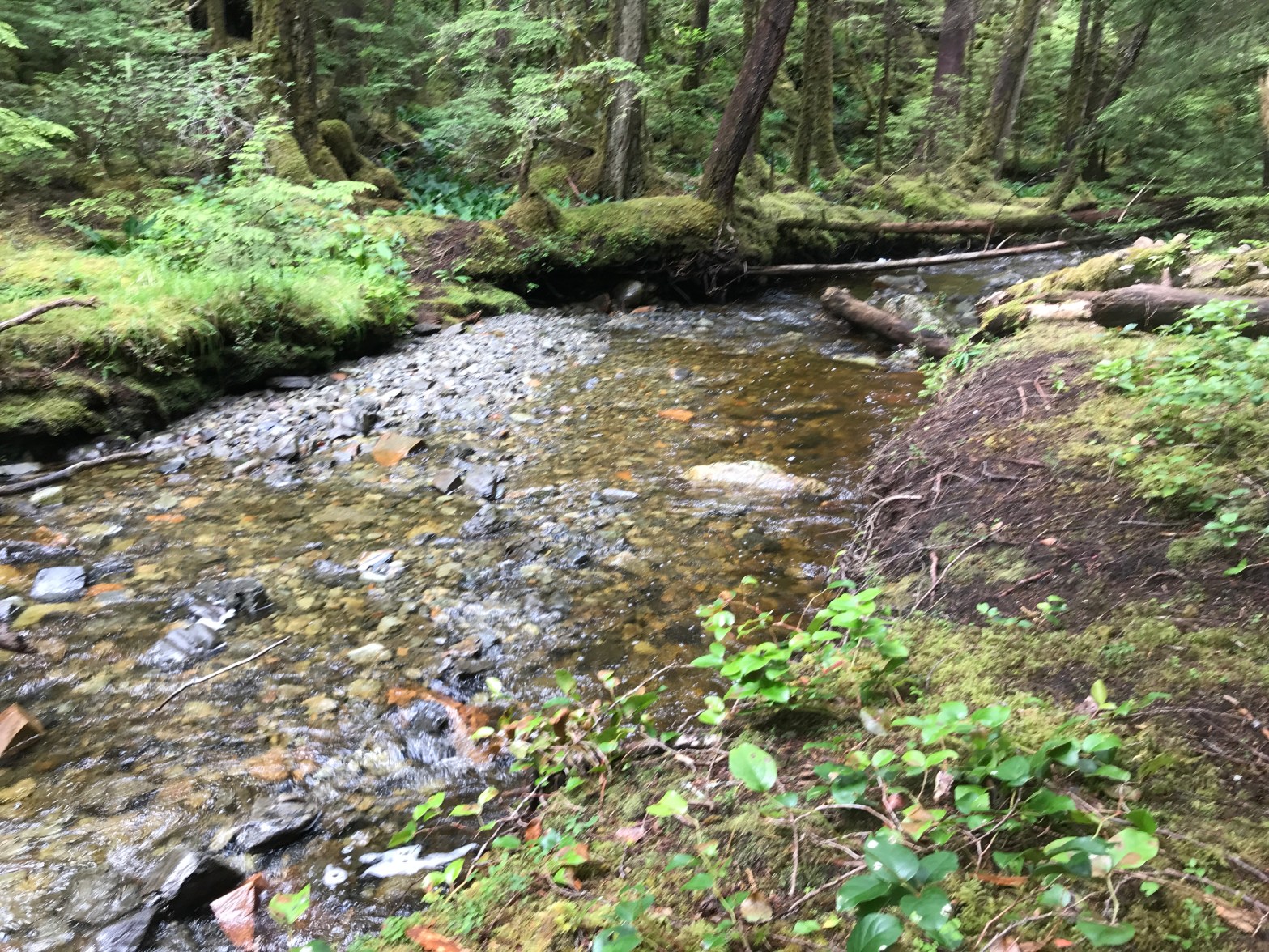
Pink salmon will be spawning in every stream that has enough current to support them. I set 2 cameras at 3 different small streams that get a run of fish every year. Cameras get better results on the little creeks than larger streams, simply because a camera can cover a small stream easily. It also helps to choose streams with a small amount spawning area, since that concentrates the bears’ fishing activity.
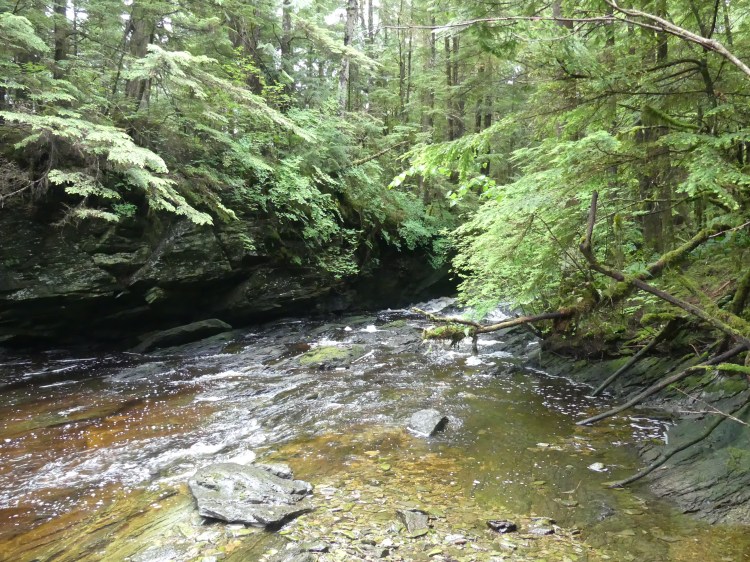
I set the first camera at the bottom of some rapids that the salmon have to pass over in order to reach the main spawning area for this stream.
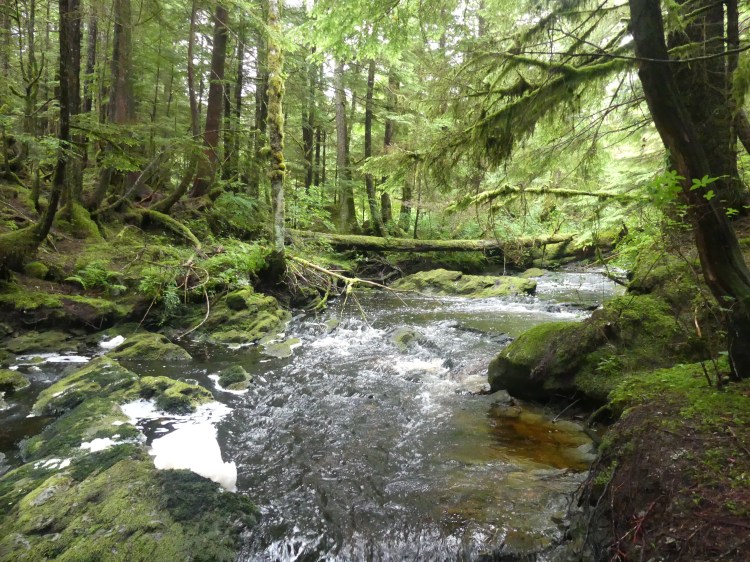
I set the second camera at the top of the rapids.

At the second creek, I positioned the cameras in the spawning area; this camera is set to record videos.
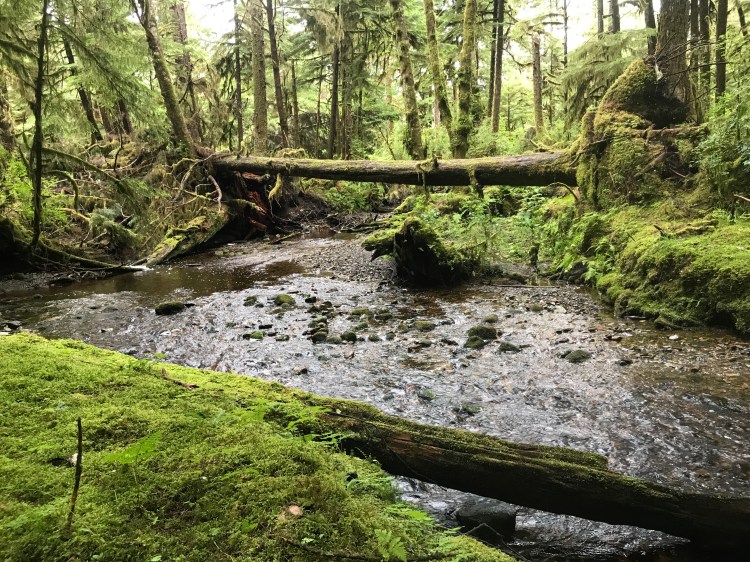
This shallow stretch will be an easy place for bears to catch salmon as they move upstream.

This 3rd creek is new to me, but I found plenty of old salmon bones from last year’s run, so I know there will be salmon here in another month. Deer have also been hitting the skunk cabbage on the left, so this will be a good spot.

This is the last camera. I set all these cameras where a major trail crosses or follows these streams. The torn up ground on both sides of the creek here show that this is a popular spot to cross this stream, so it should be a good spot year round.

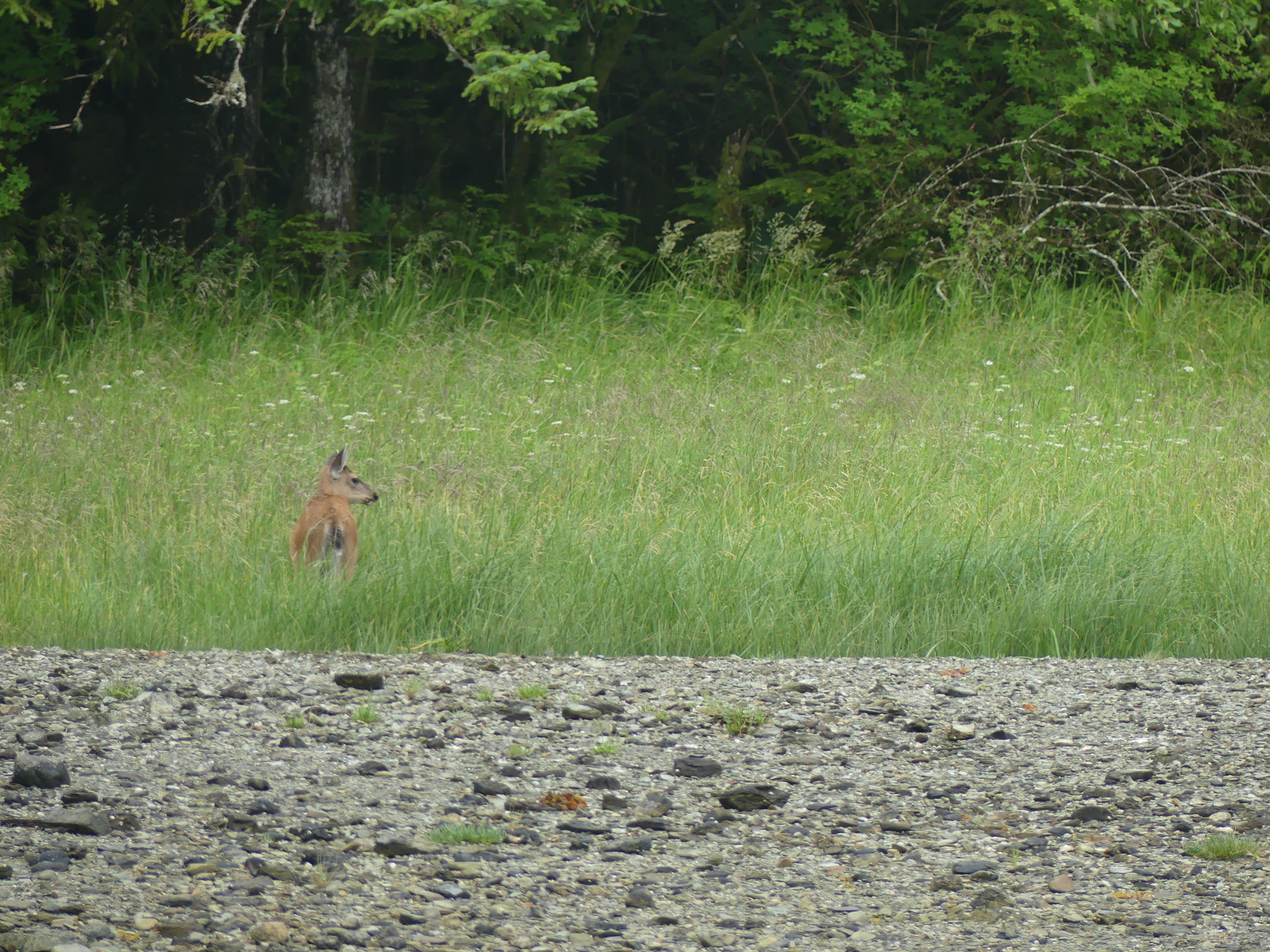


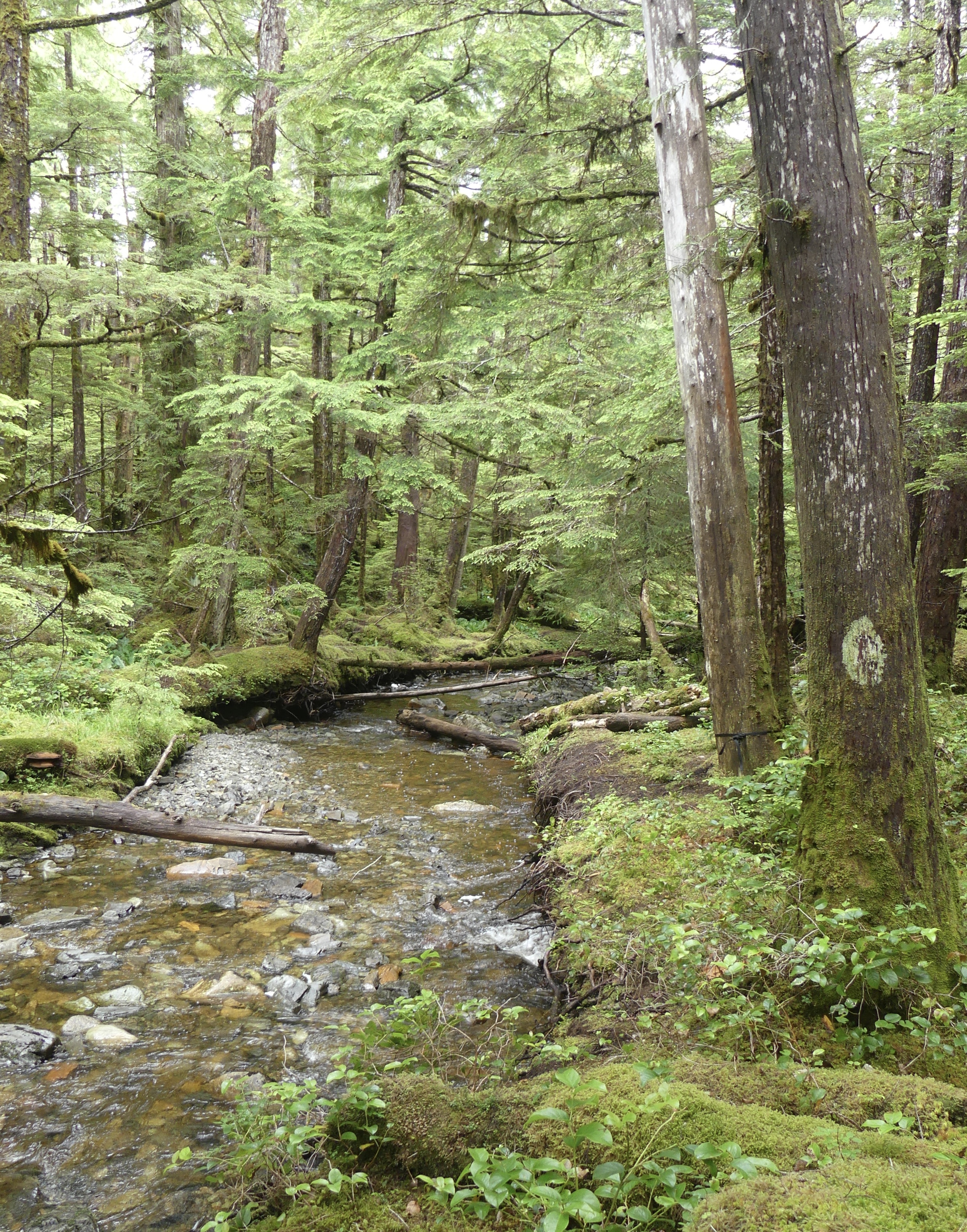
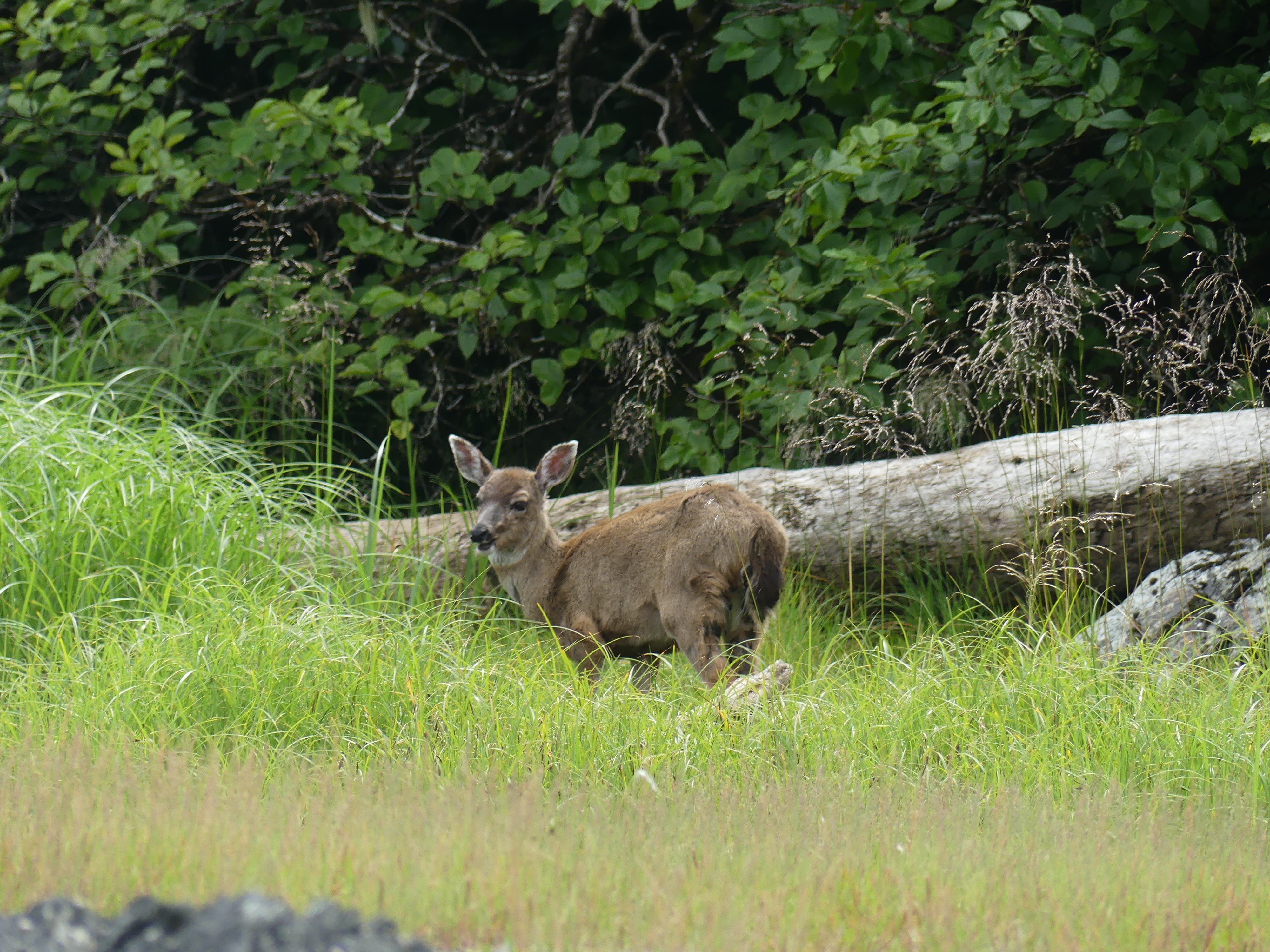
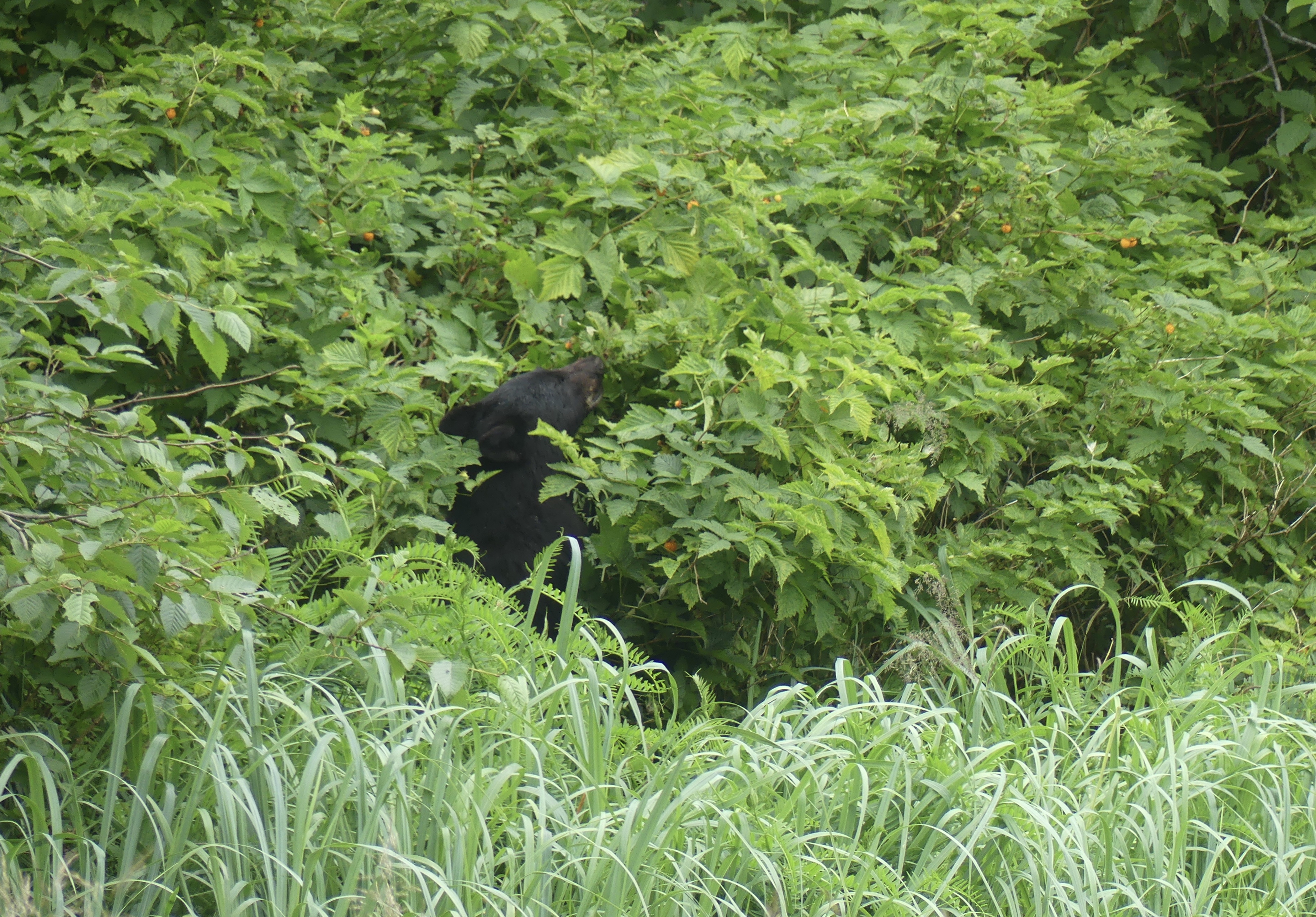





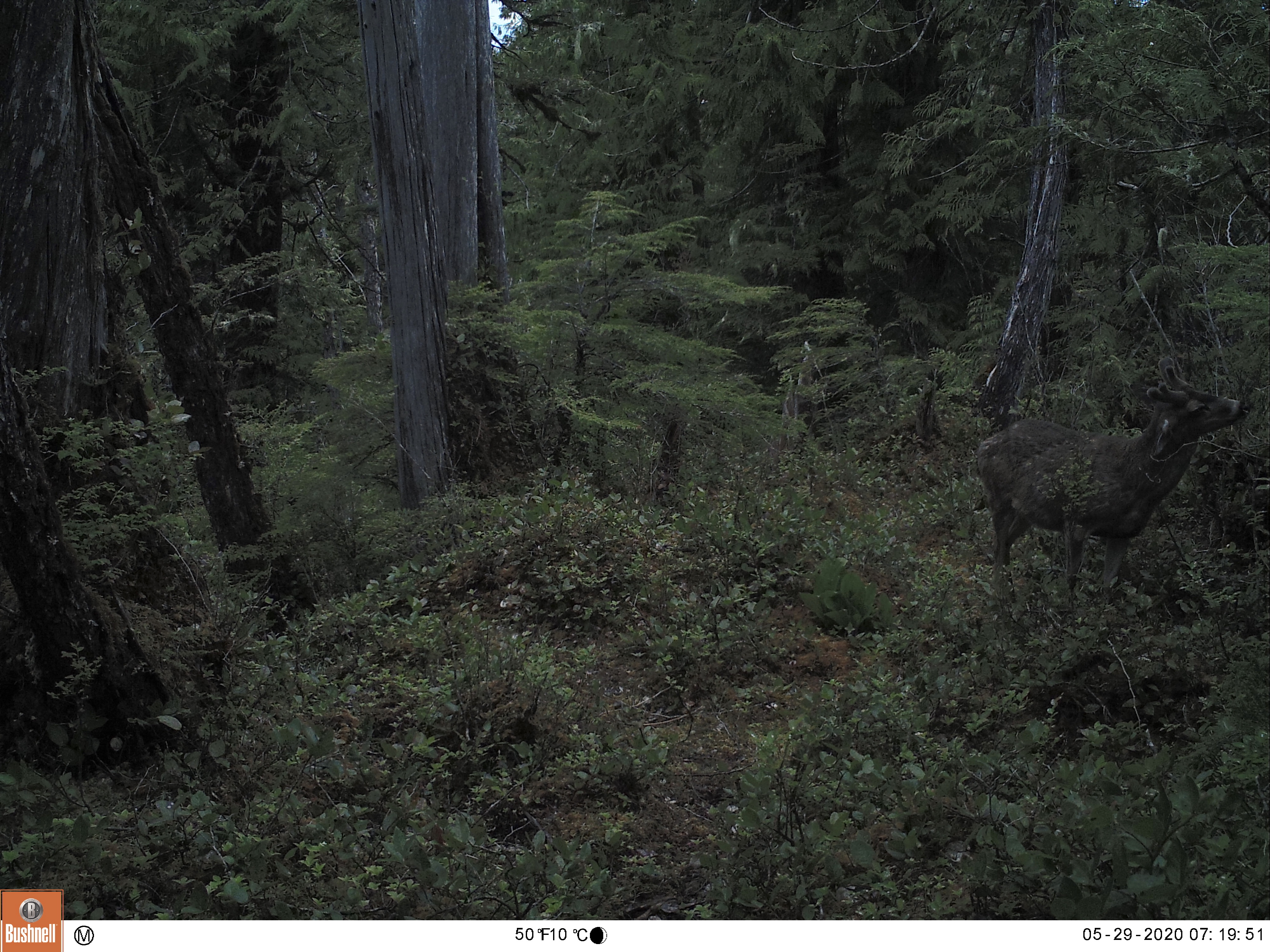
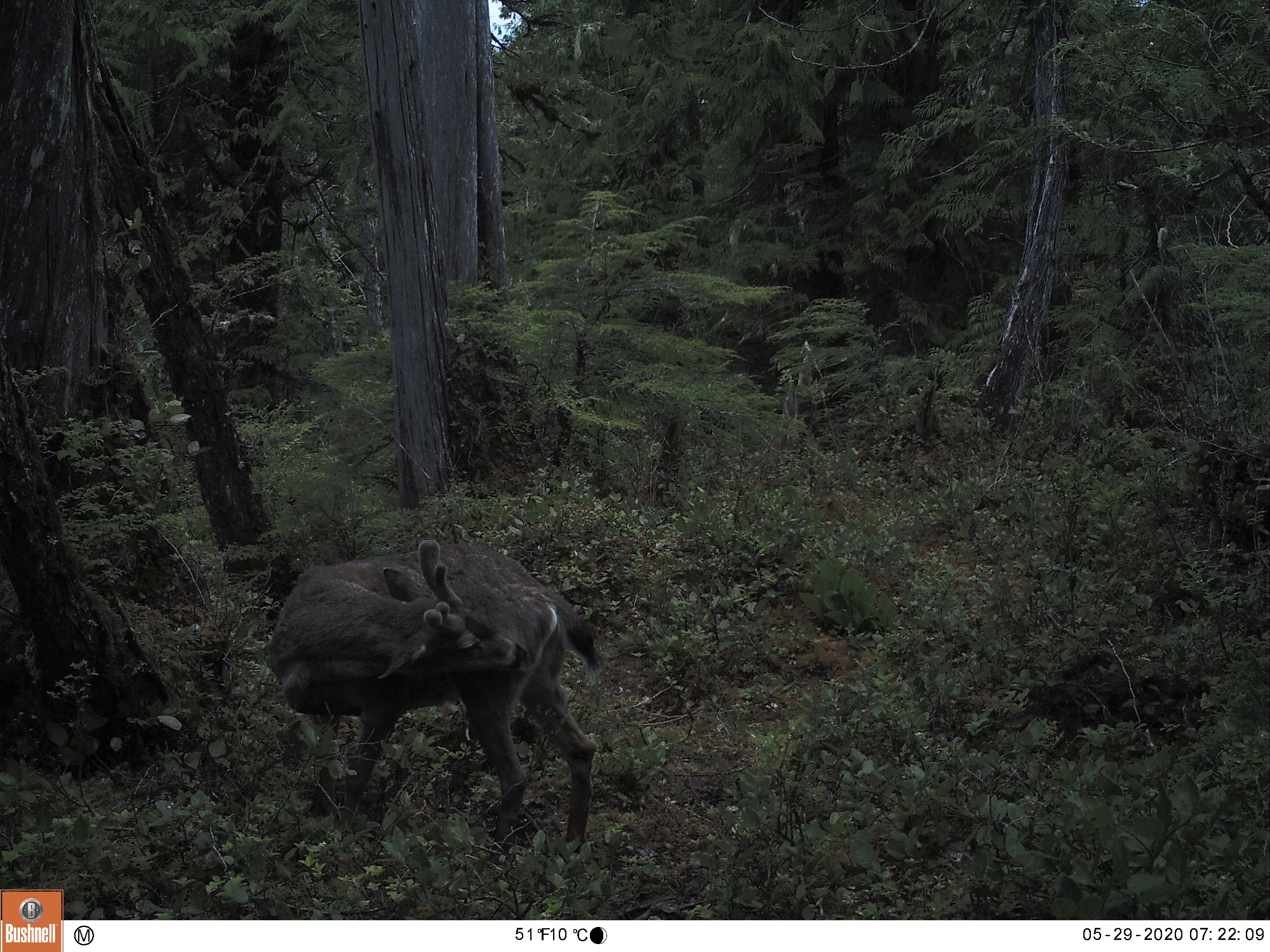

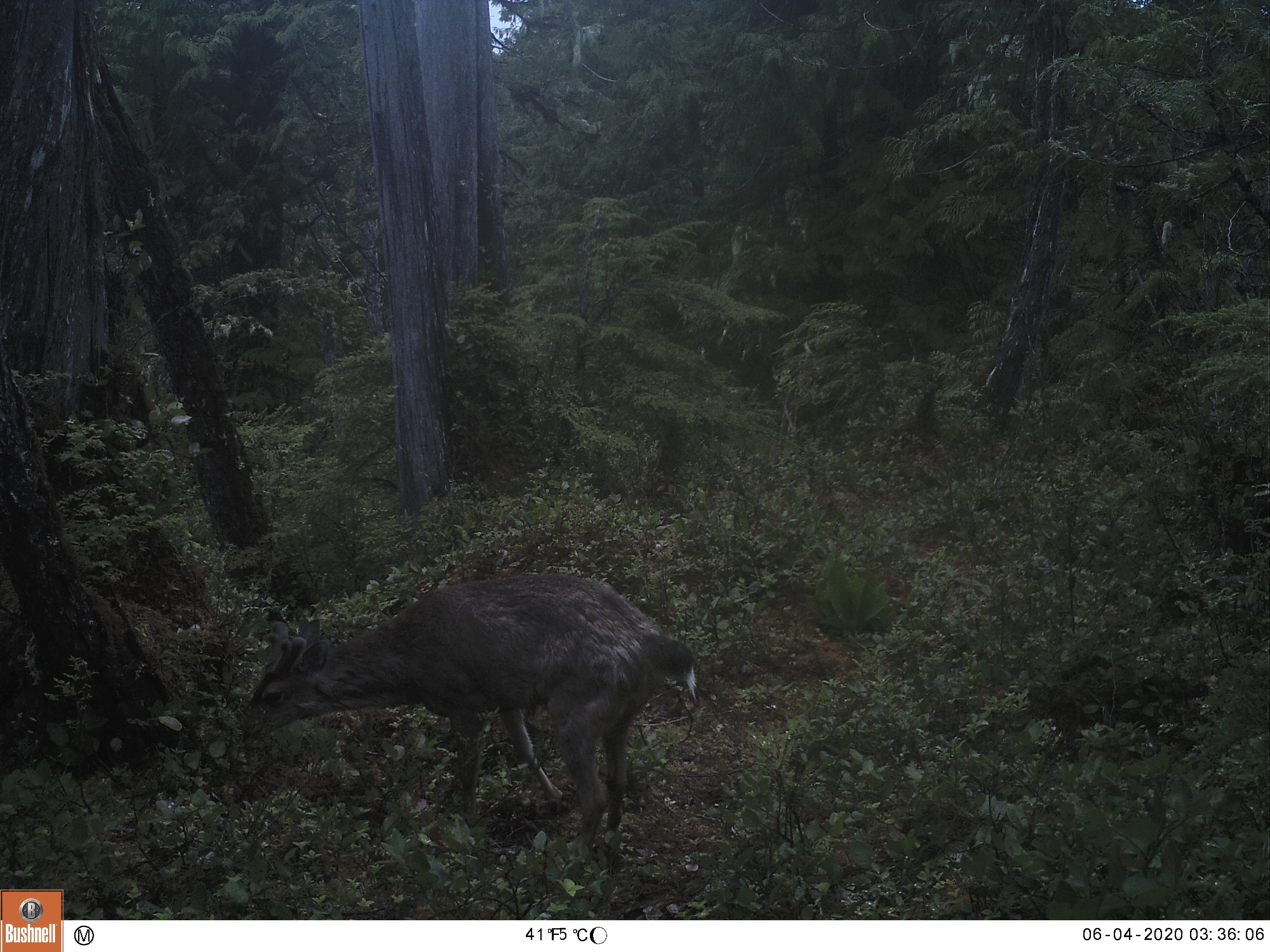
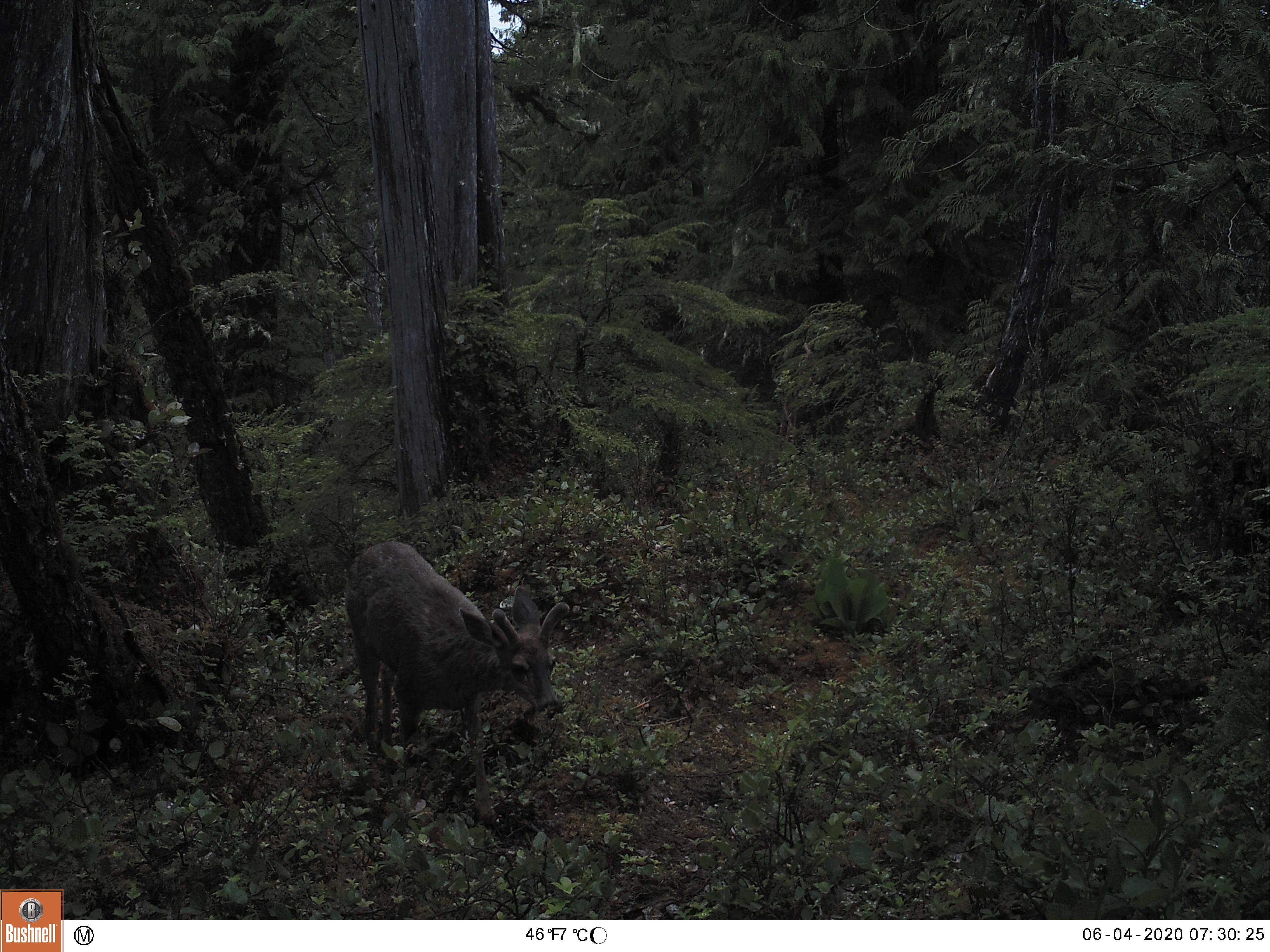


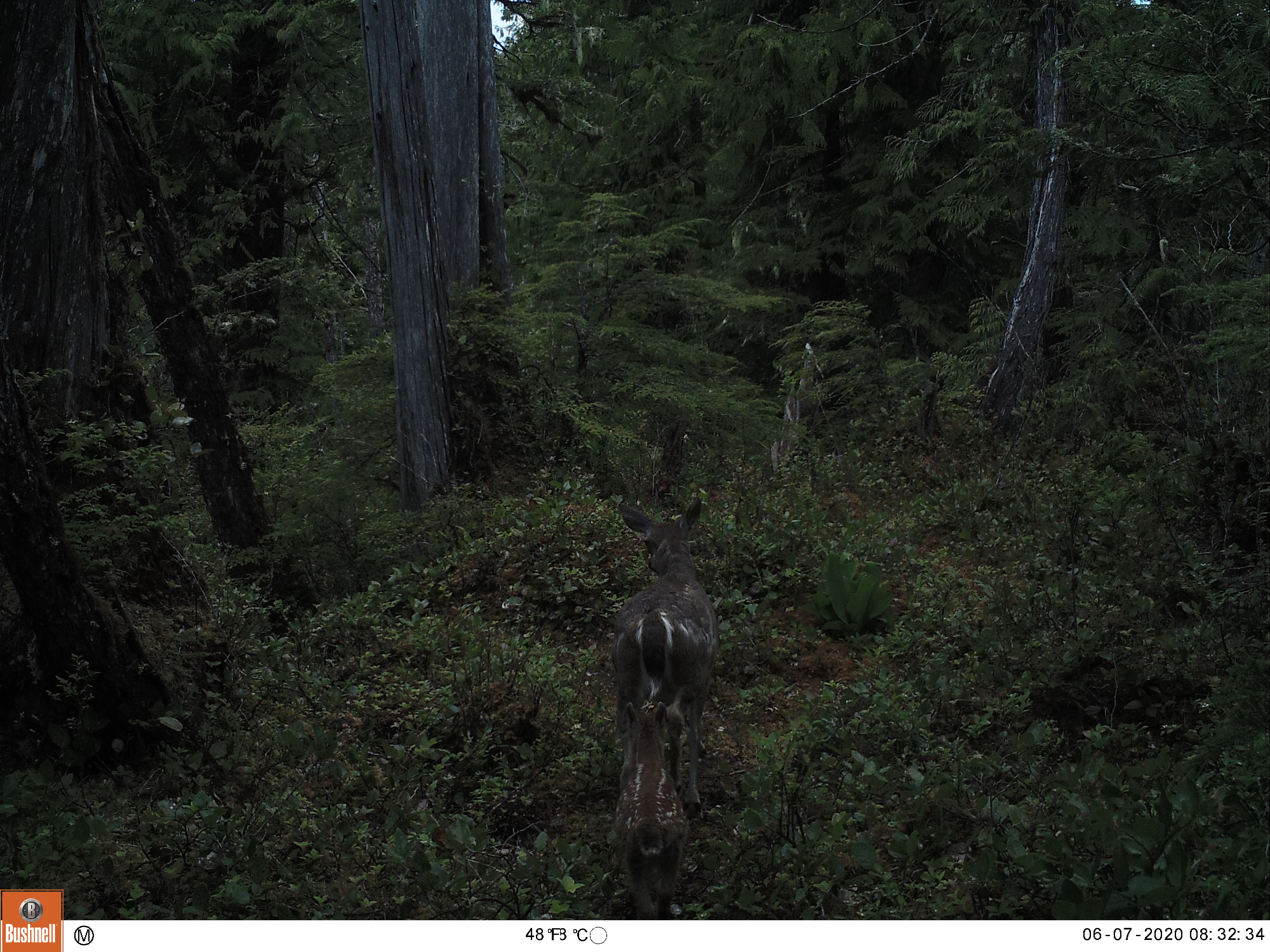


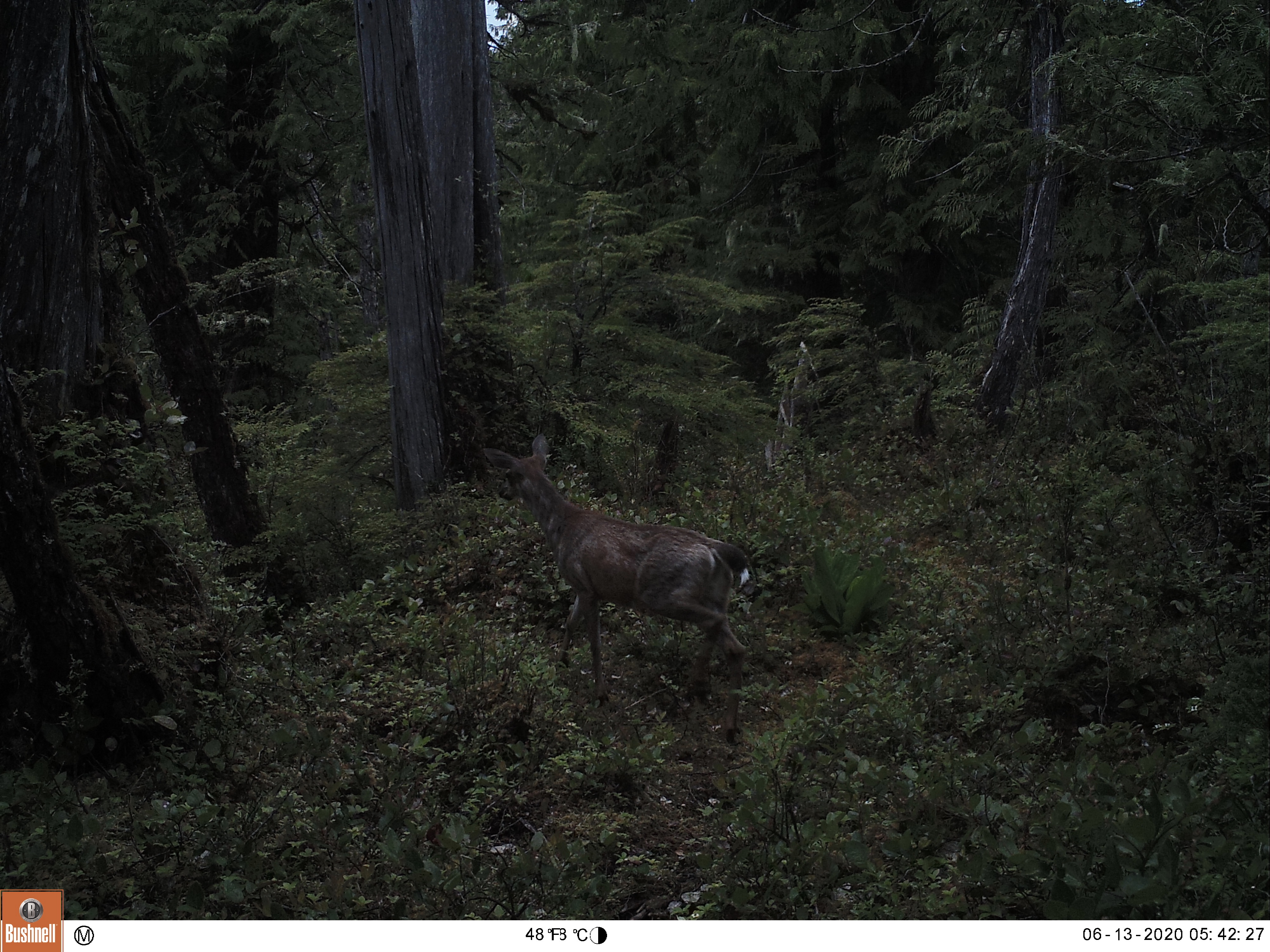
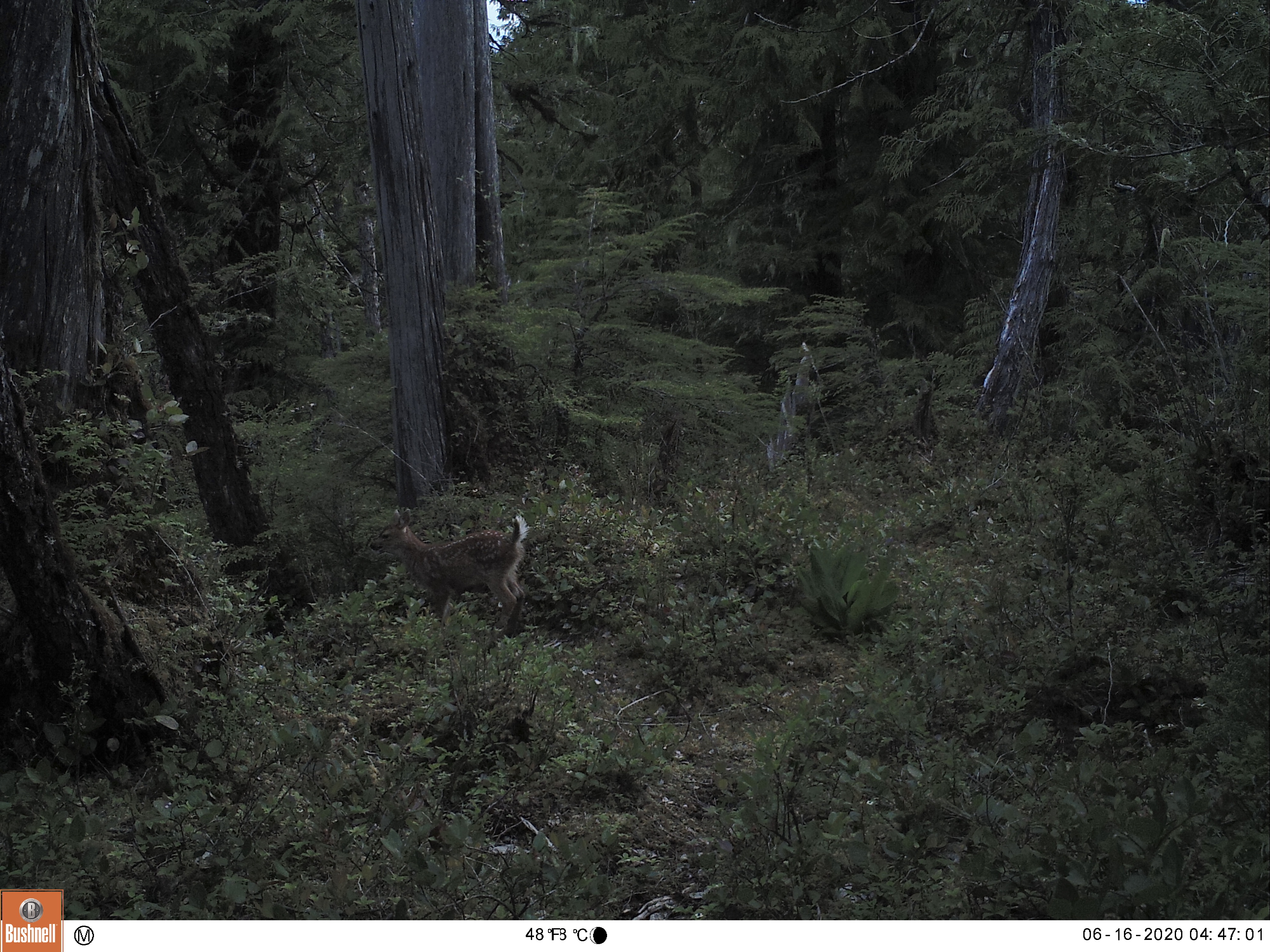


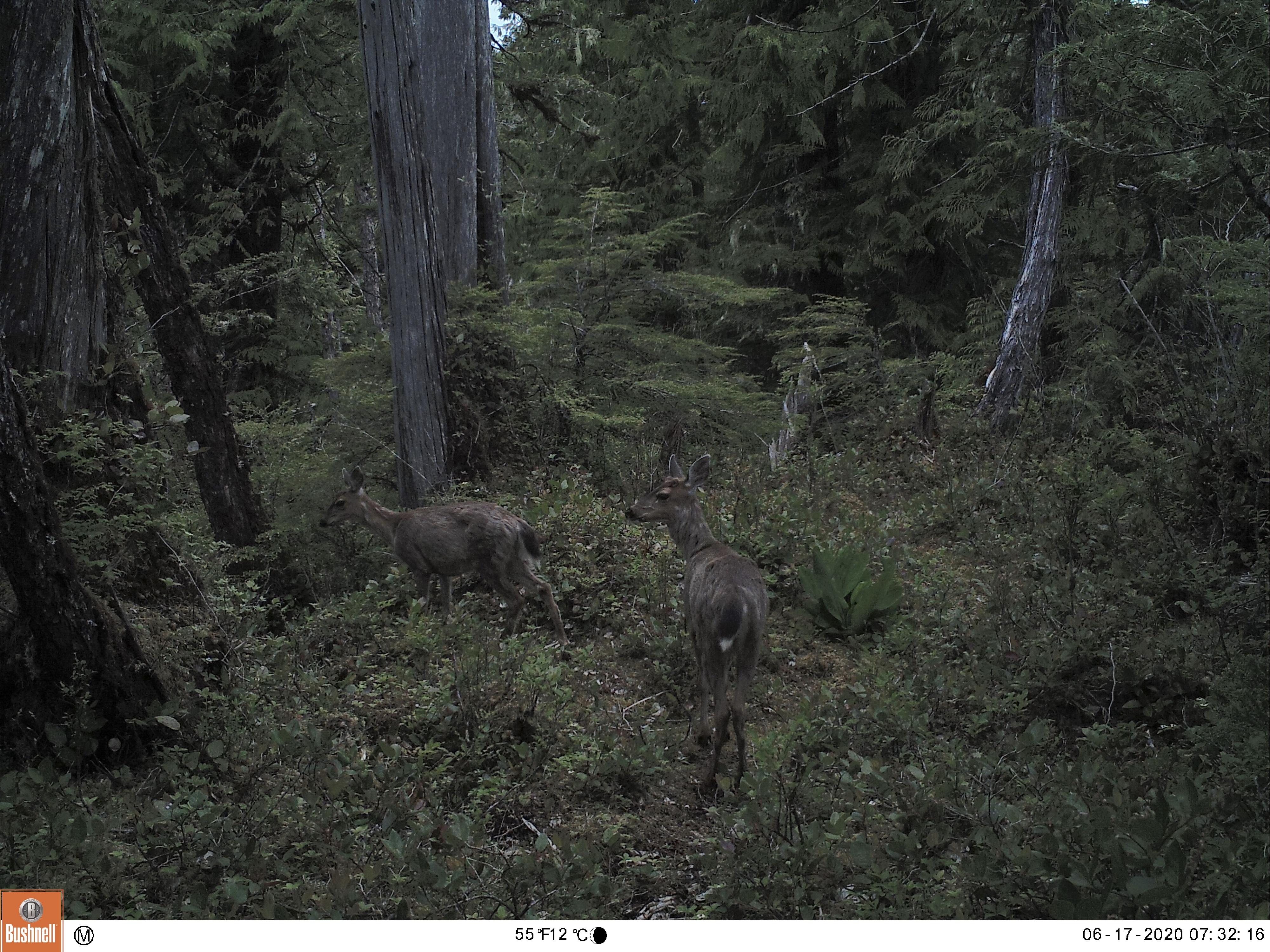
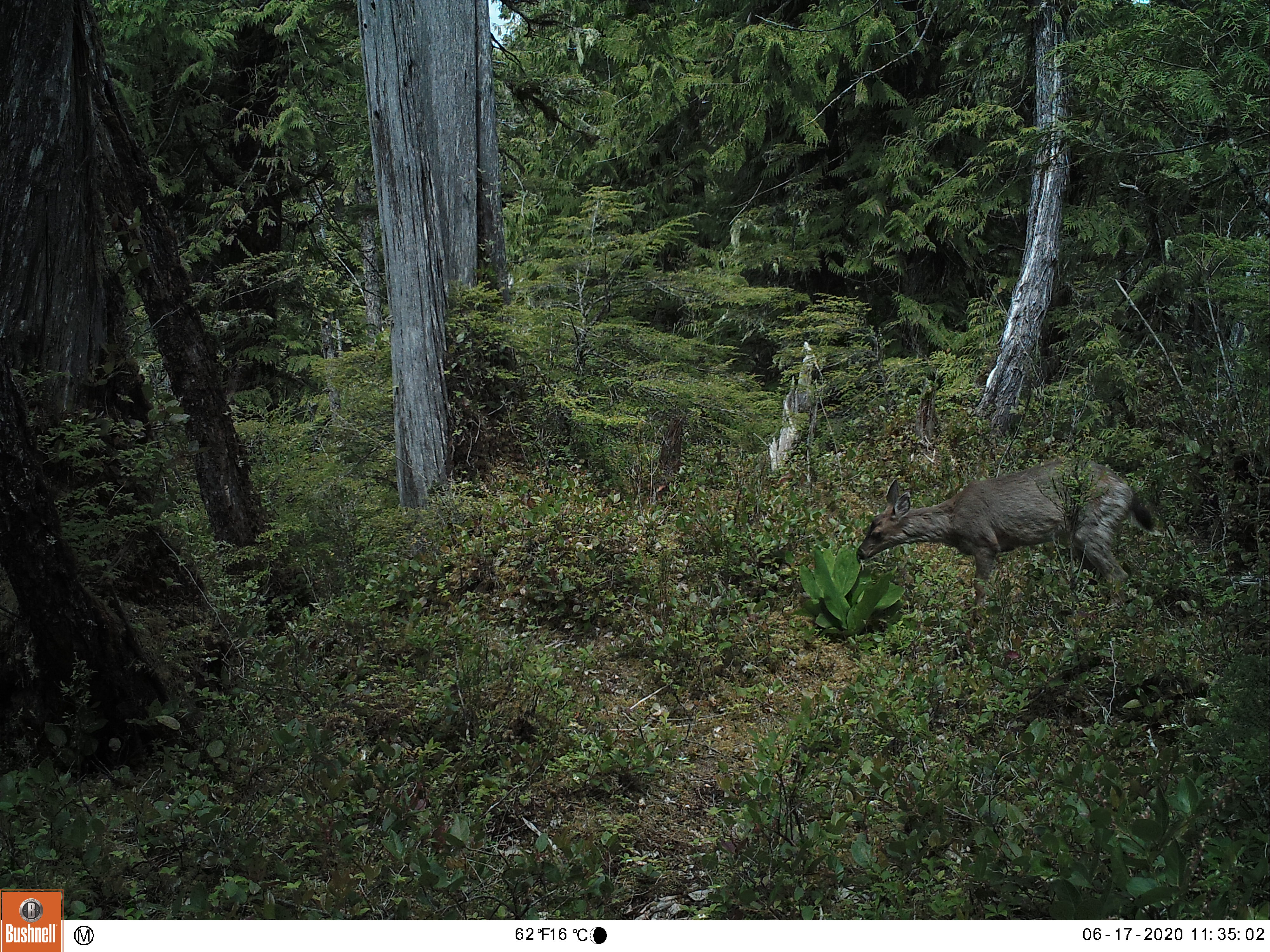
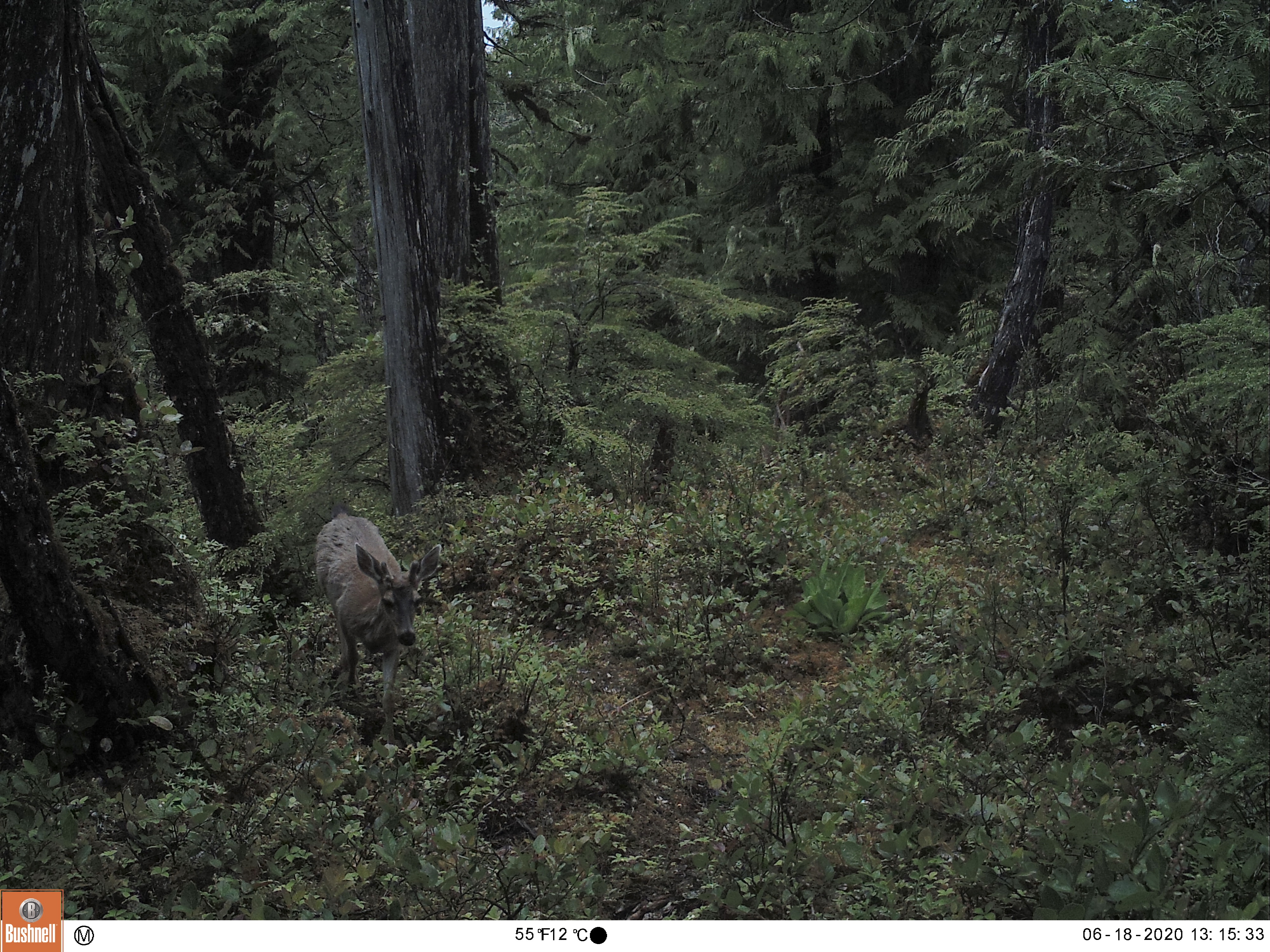


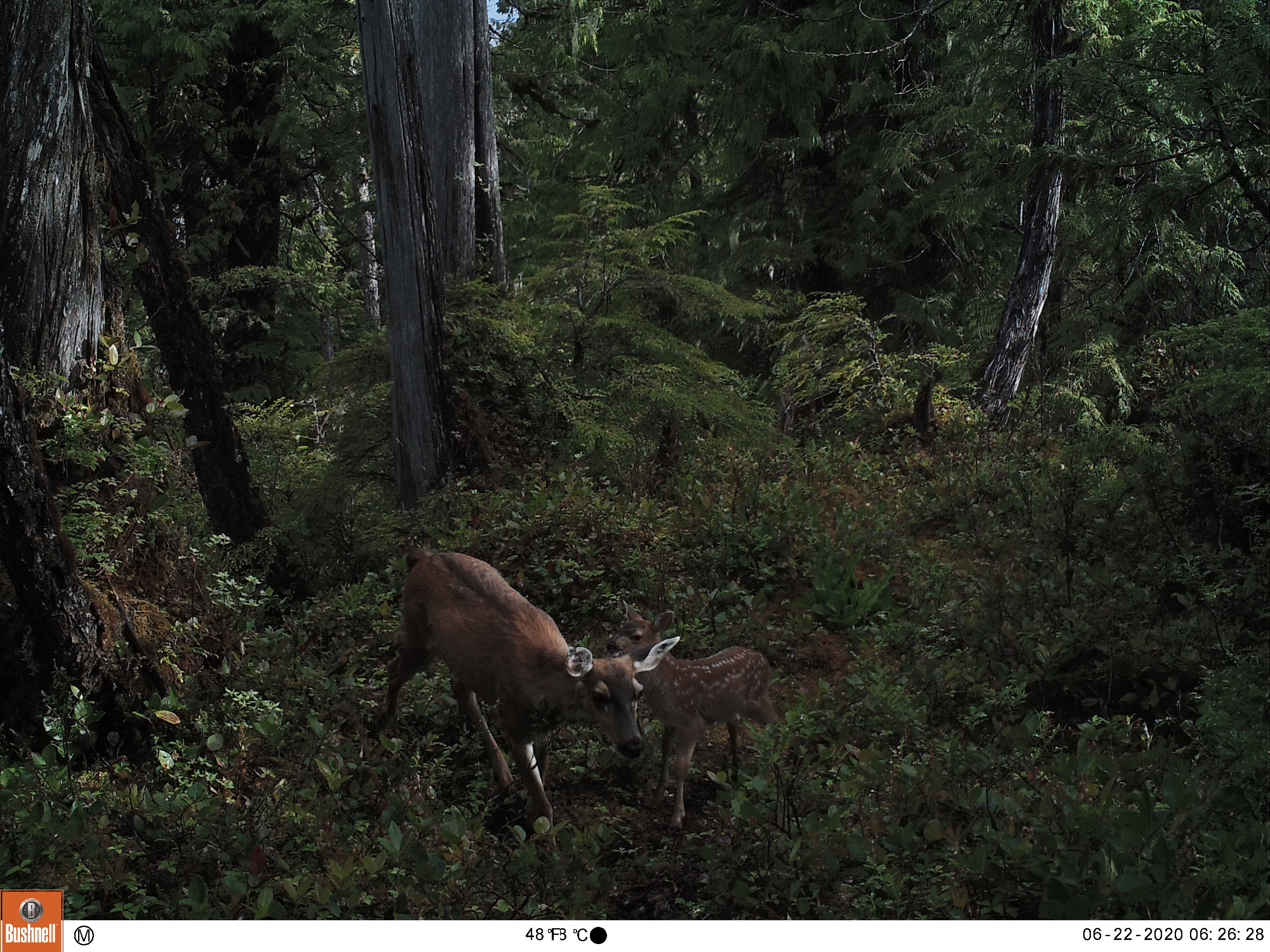
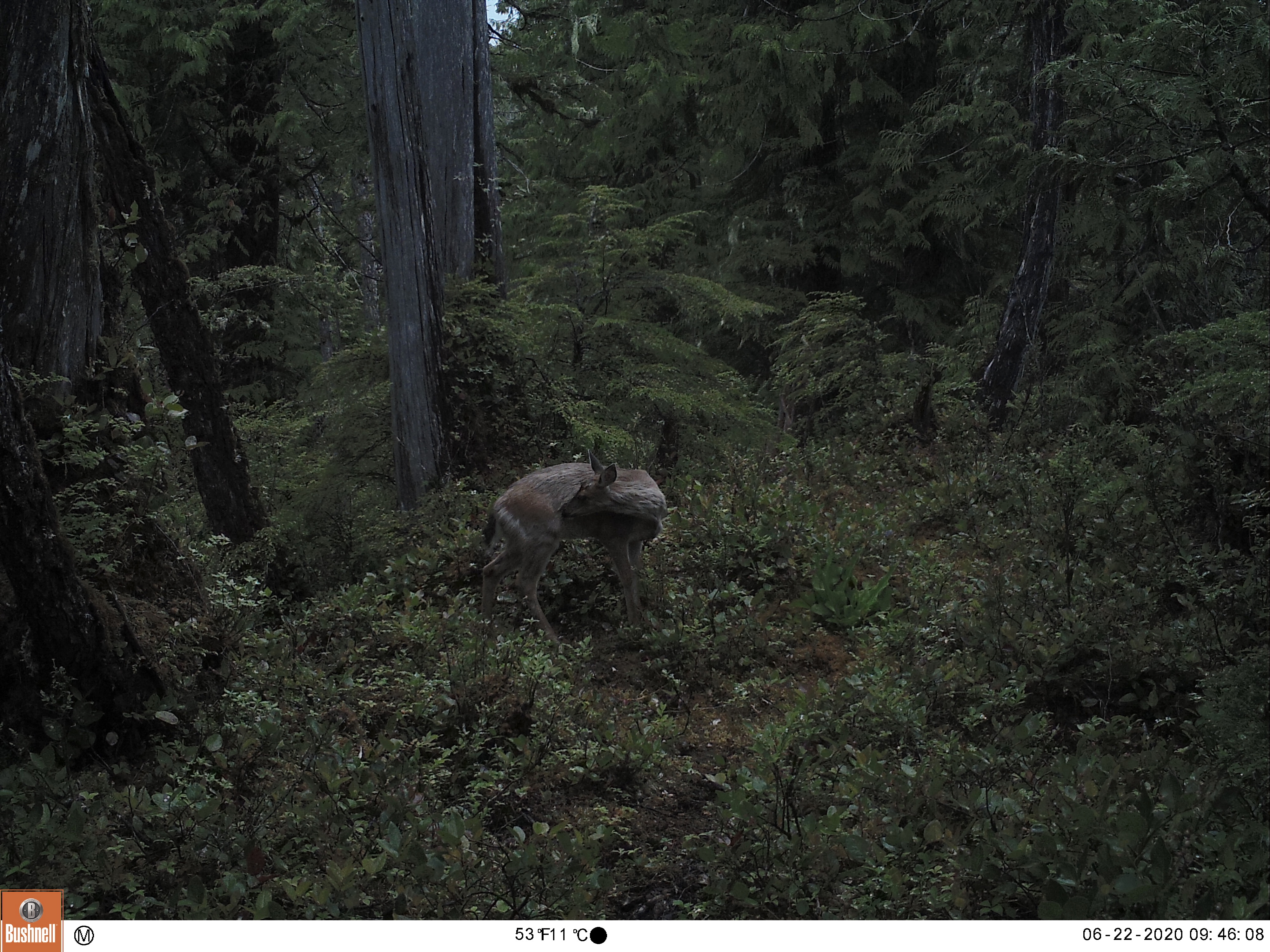










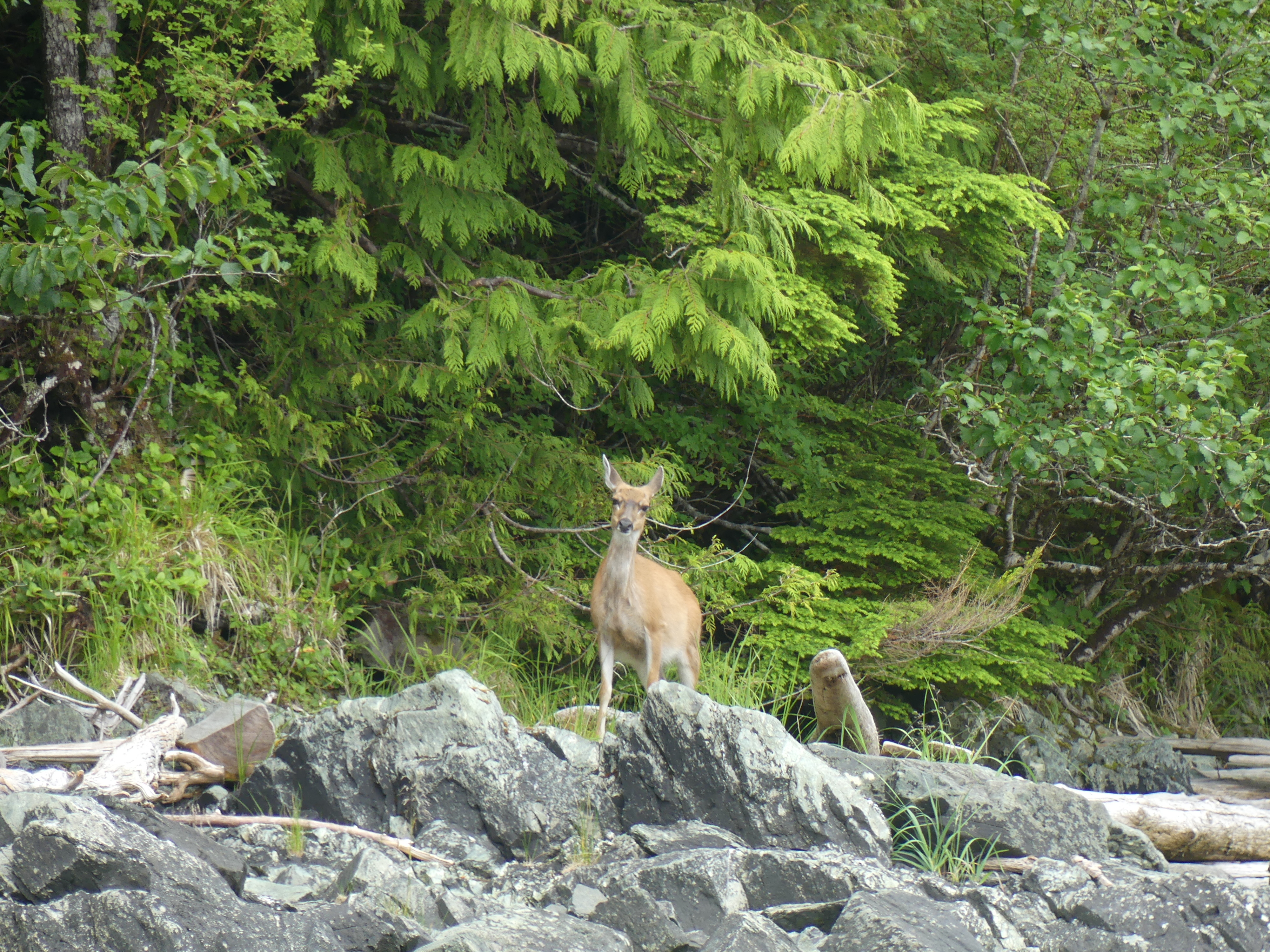


Set up another camera here,

and checked this camera.
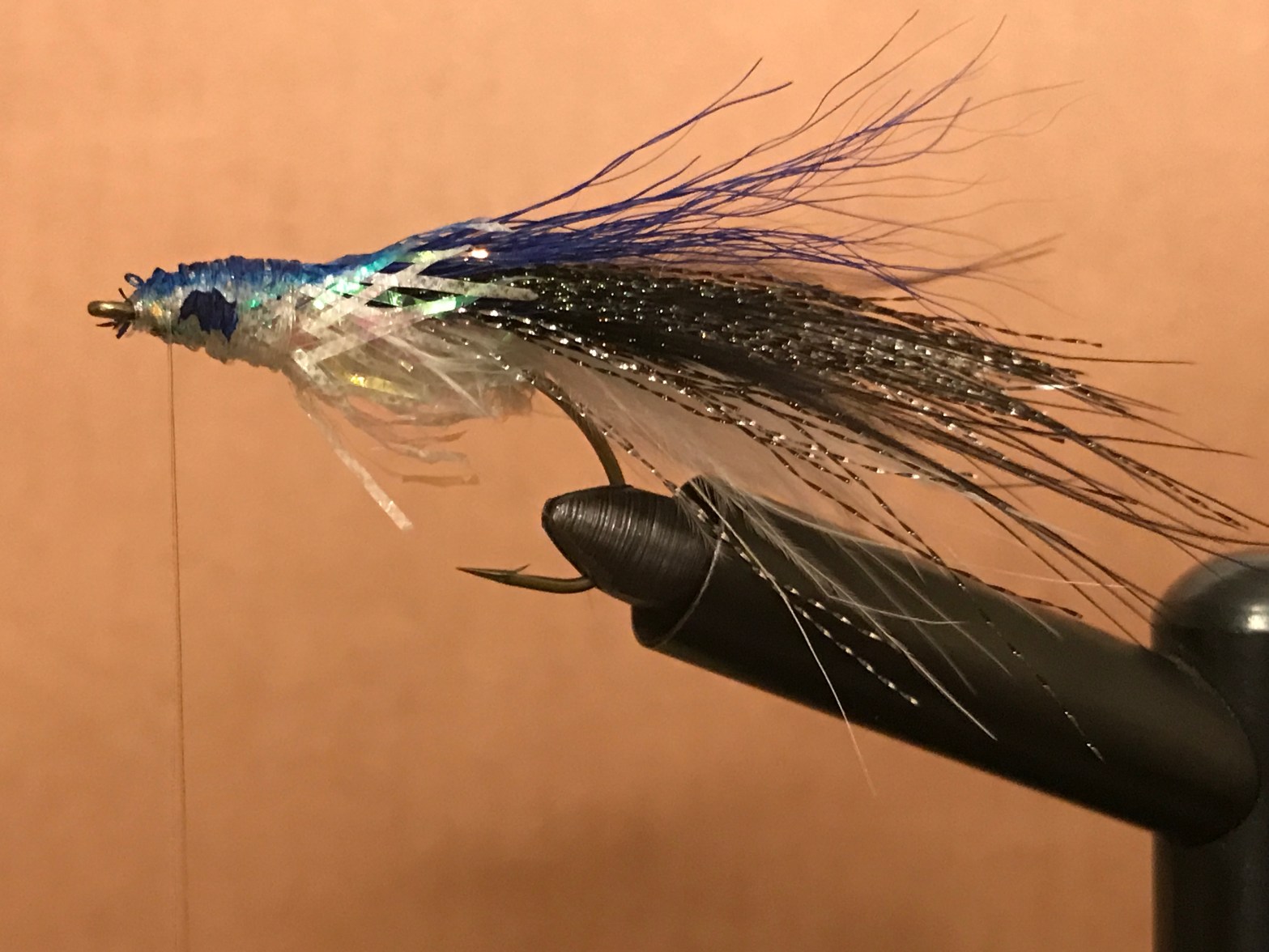
After seeing endless schools of herring fry, then watching the fish I’d just caught regurgitate a bunch of the same little fish, I decided to tie some flies to imitate those baitfish.


I started with crystal flash chenille for the body.

The wing has 3 layers, starting with white marabou…

…followed by a layer of green marabou…

…topped off with green crystal flash.

I finished it with about an inch of this crystal flash that comes as a sort of tube.
Lastly, I added a bit of acrylic paint for the eyes.
I tied 4 versions of this fly; they are basically the same, except that there is a 5-layer wing on the black/blue/white fly; white marabou, silver crystal flash, black marabou, black crystal flash, topped with a little bit of blue hair. I also lightly painted the top of its head with acrylic paint.


I plan on running these behind a dodger when I’m paddling my kayak. If I were fishing from a heavier boat I would tie these on a heavier hook, It can be hard to make a good hook set in a kayak, but these light wire hooks should penetrate more easily than a standard salmon hook. I don’t have to worry about the hooks bending out because it’s nearly impossible to put that much pressure on a fish from a kayak.
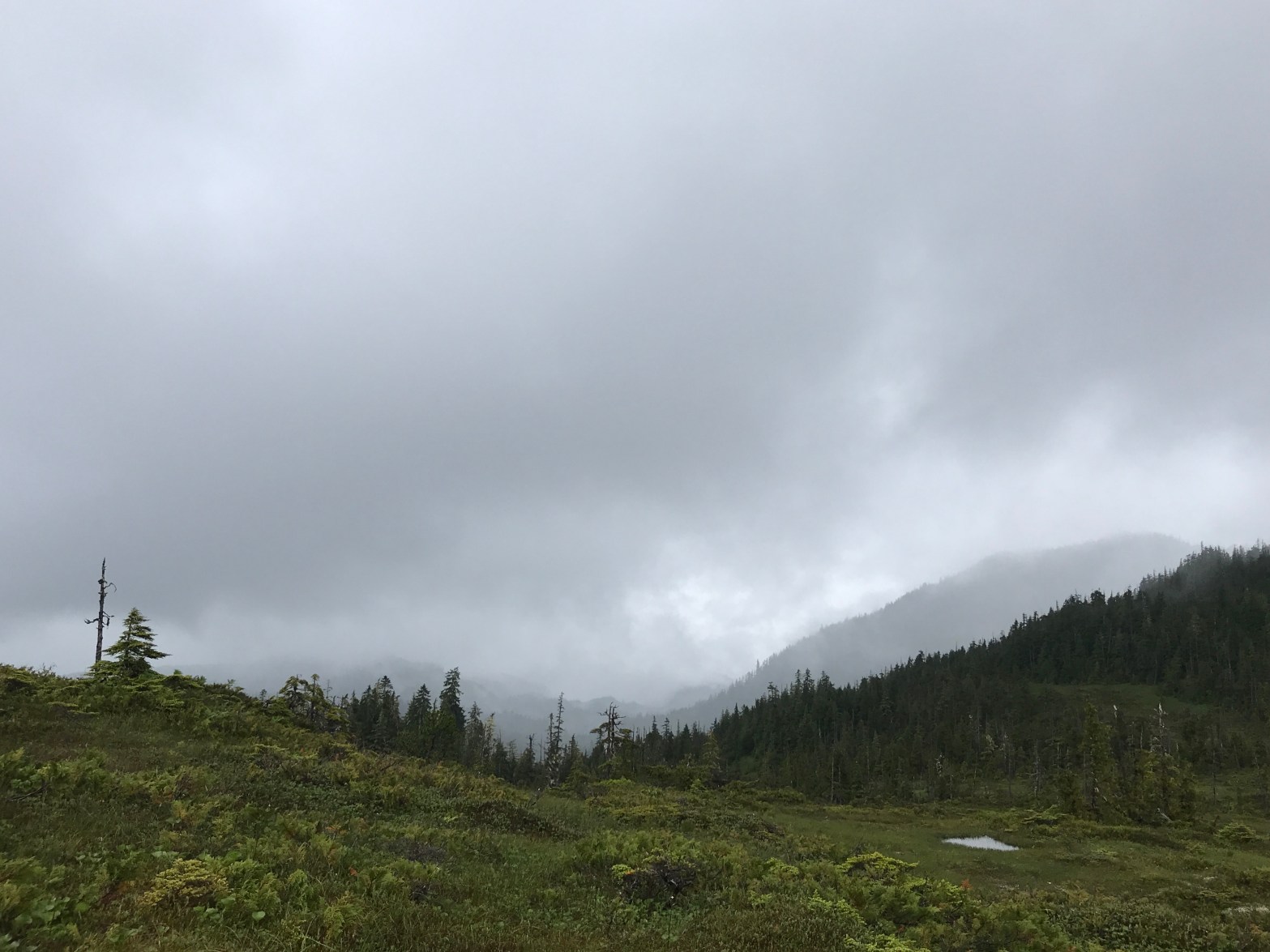
Didn’t mess with any of my trailcams this weekend because checking them when it’s been raining often leaves too much humidity inside them.

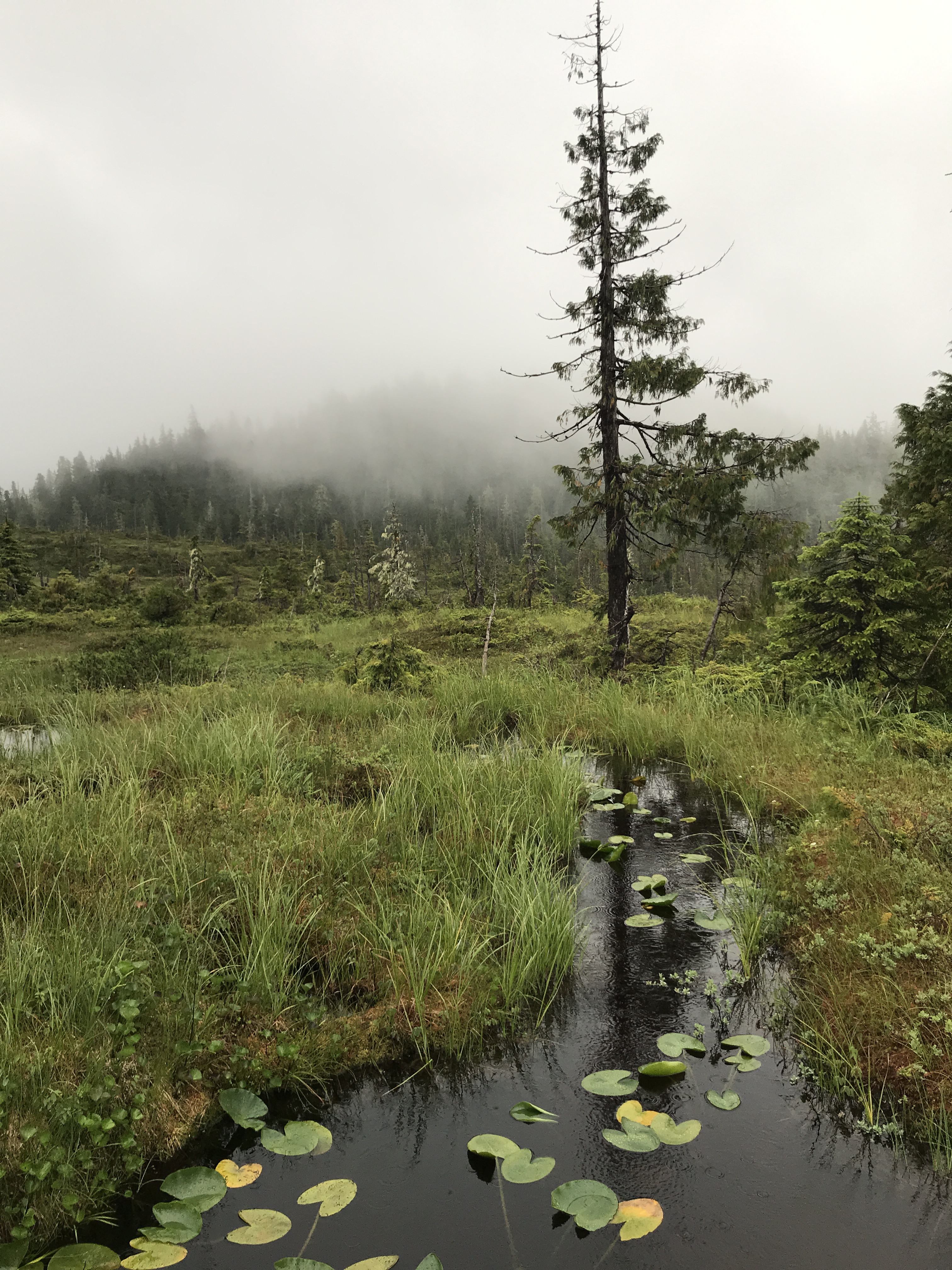





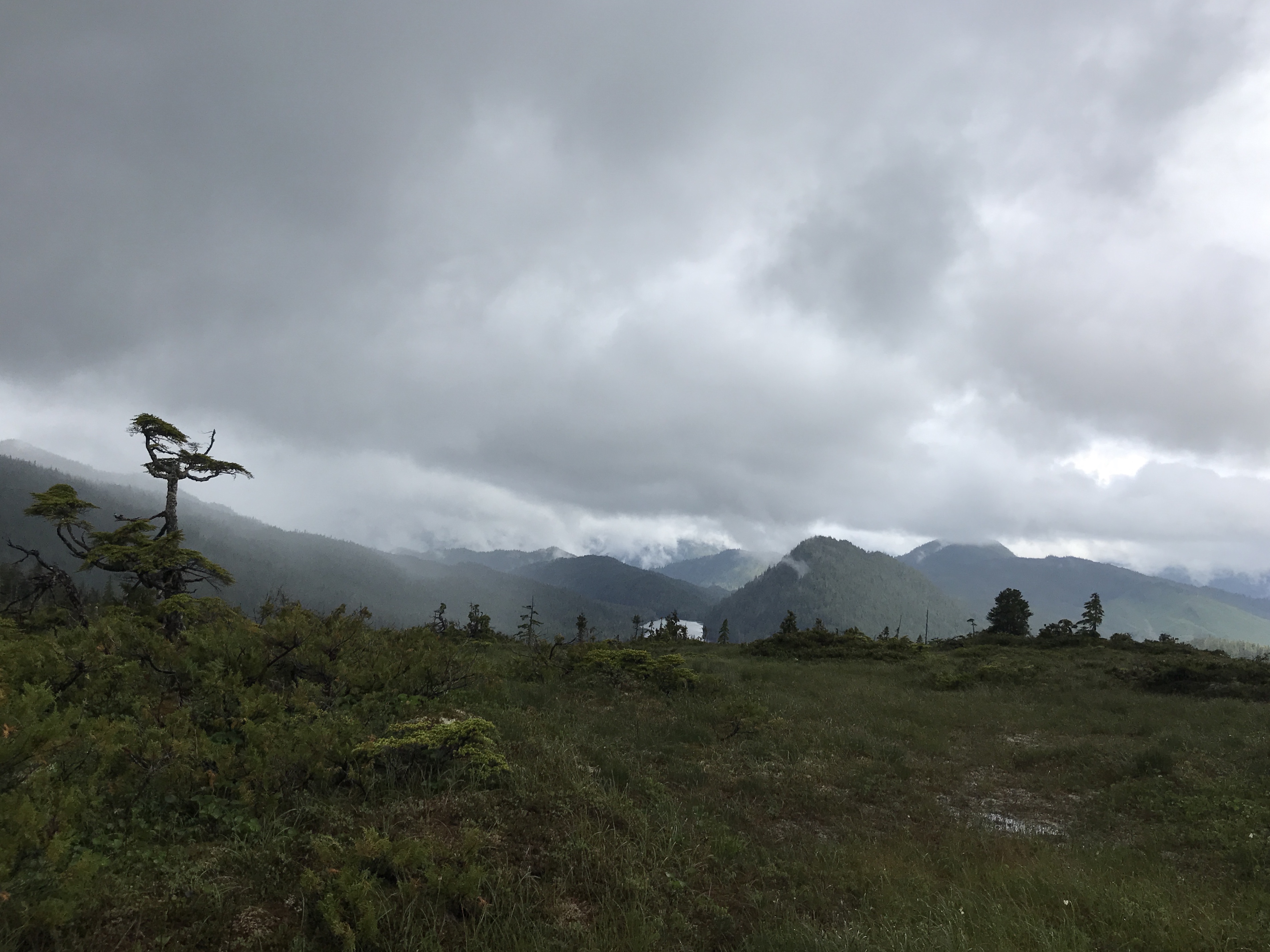
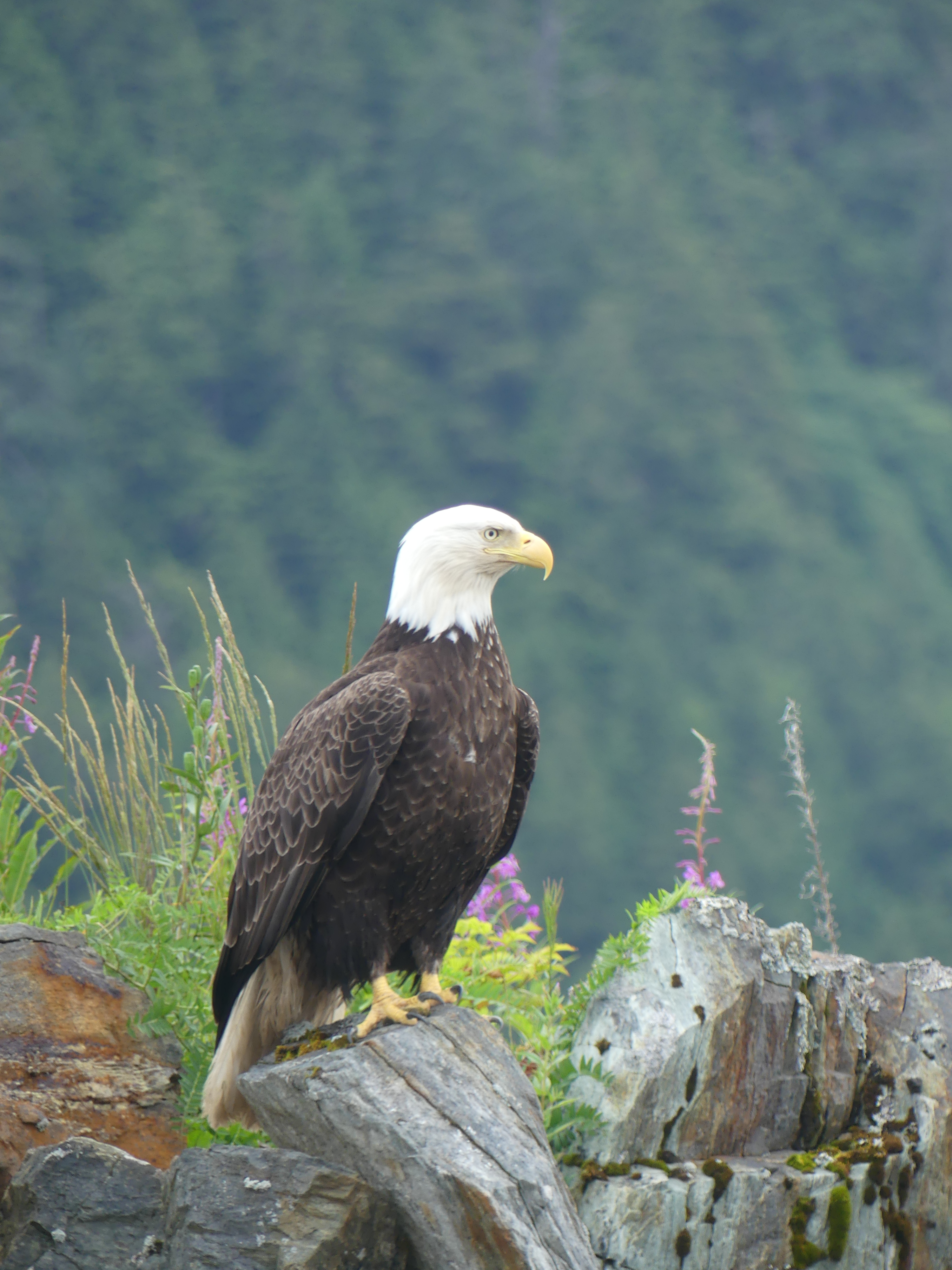
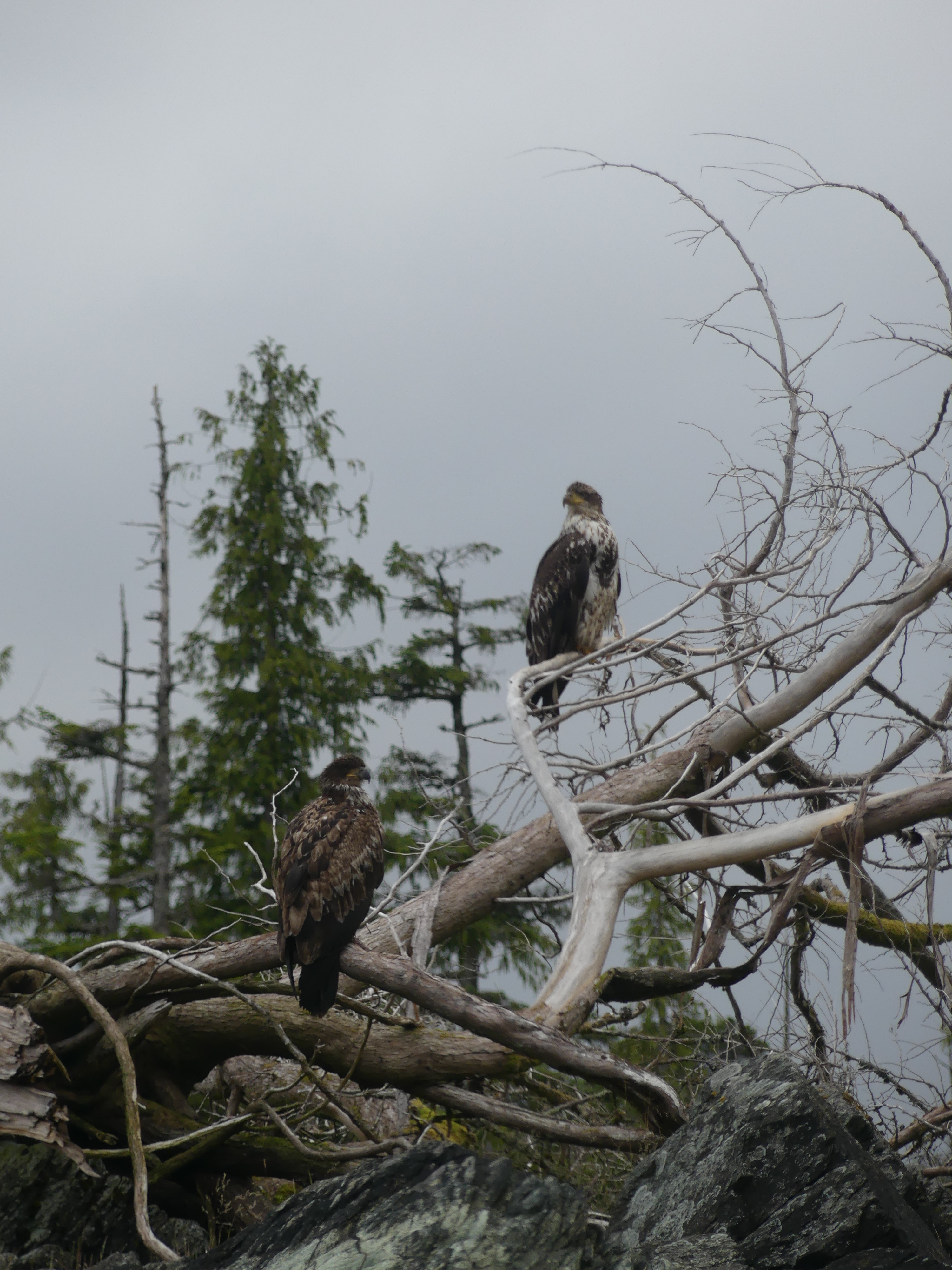
Watched an eagle dive into the water and grab a pink salmon that was too big for it to carry while flying, so it swam the fish to shore. I paddled to the other side of the bird to get better lighting, and was able to video the eagle landing with its catch. Bald eagles float and are good swimmers; this one had to swim about 50 yards to get its fish to shore, only to have it stolen by a mob of other eagles.

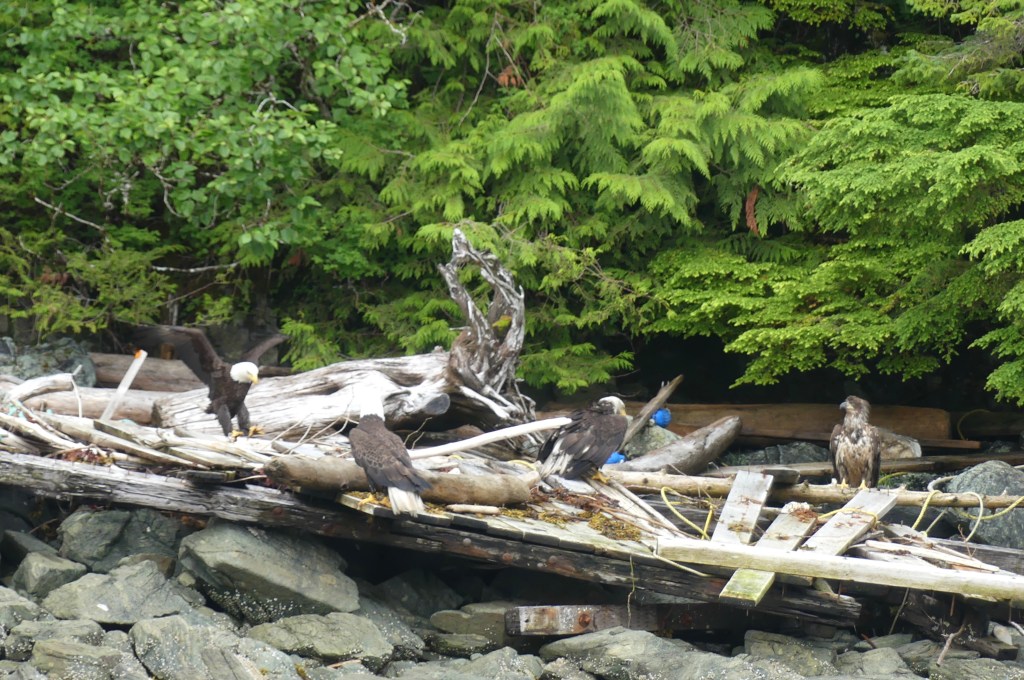
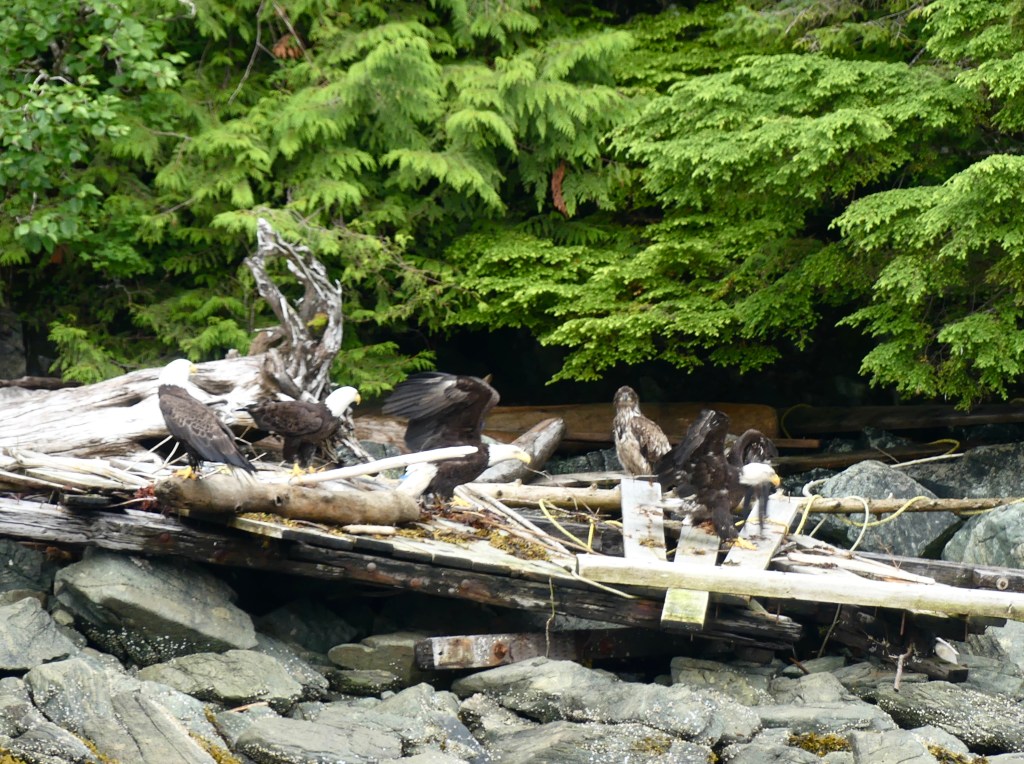
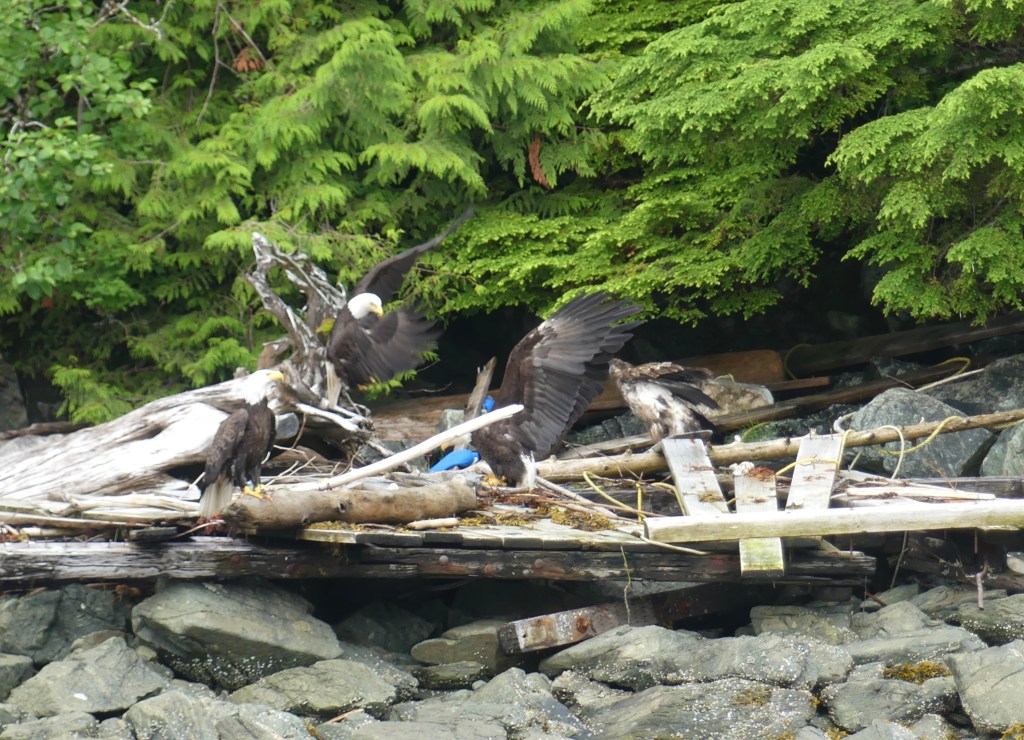

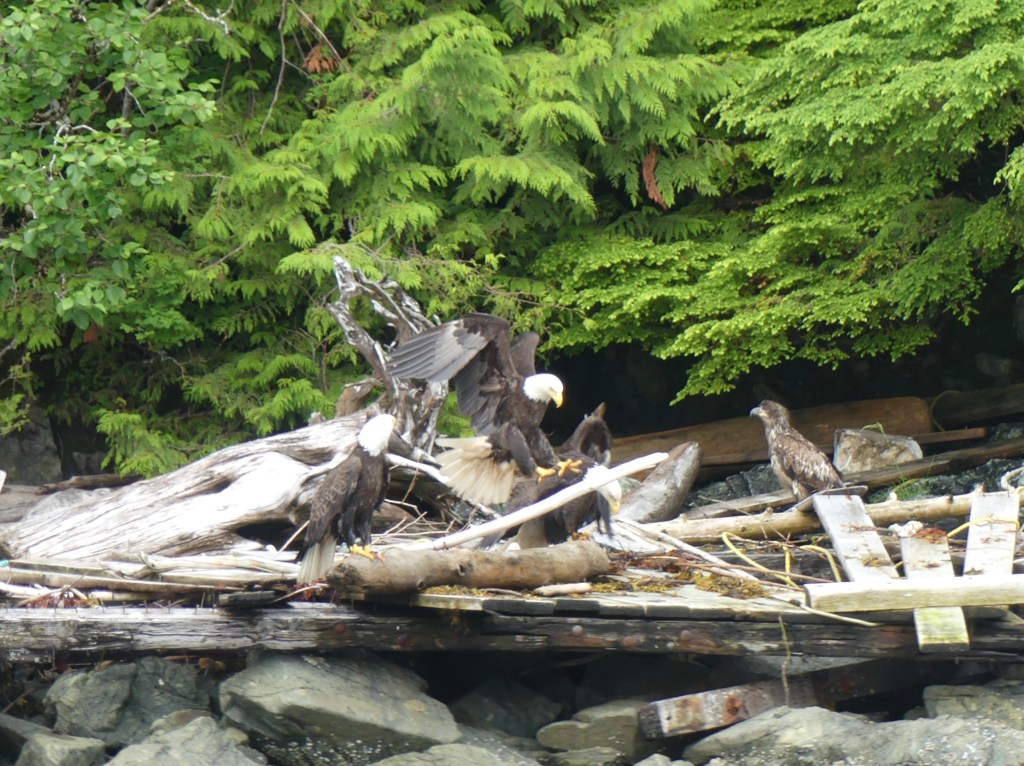
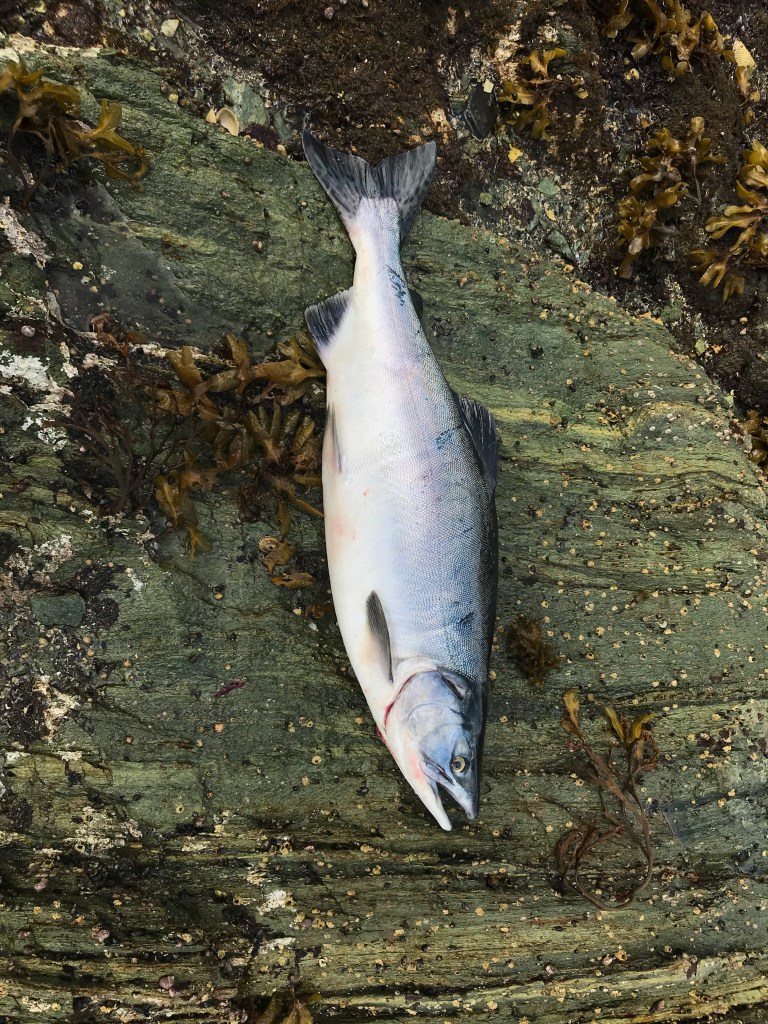
Watching the eagle catch a pink salmon on the surface helped me to catch one. Since I wasn’t having any luck fishing deep for a king, I brought my lure up near the surface and caught dinner almost immediately.


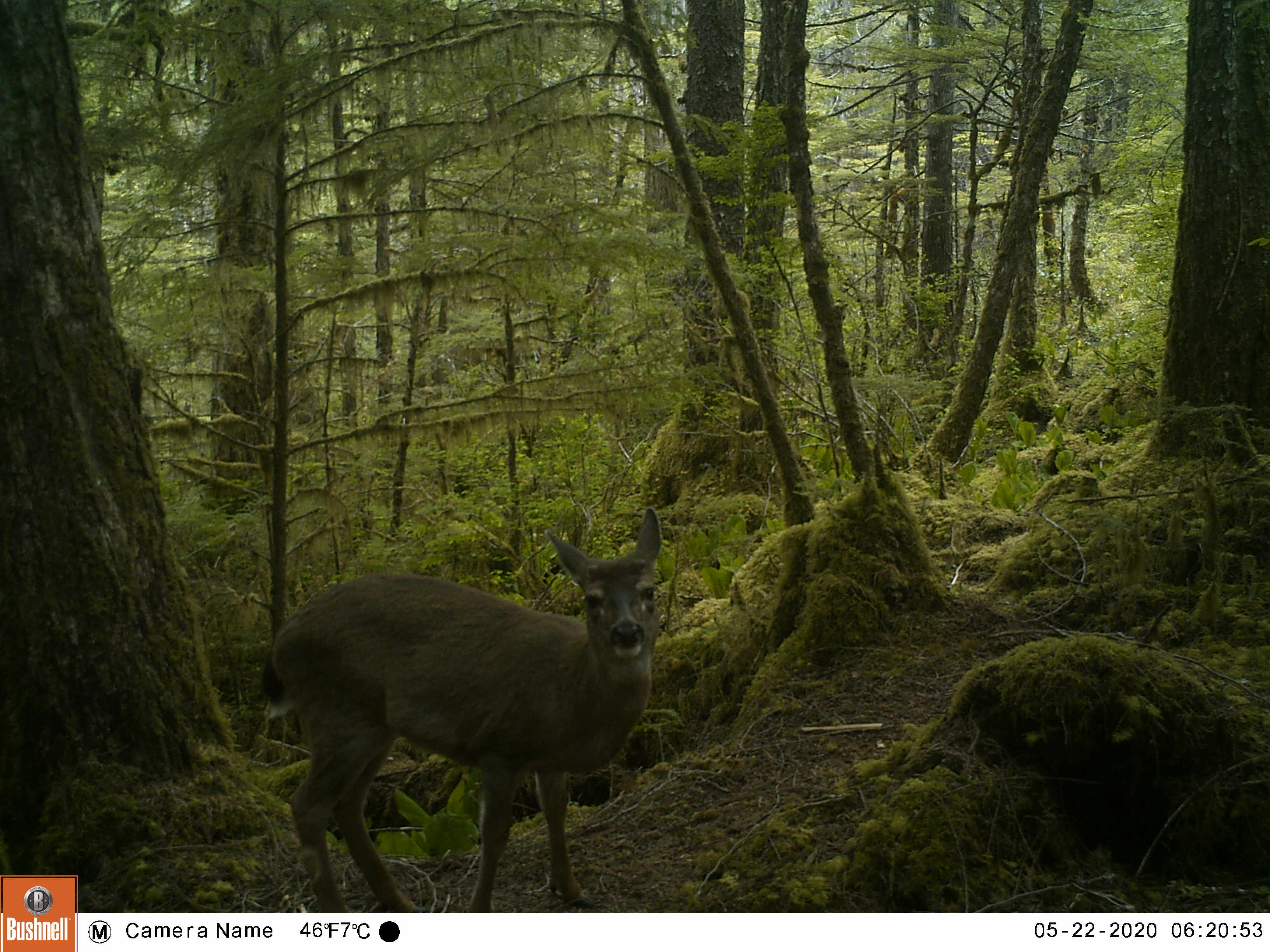


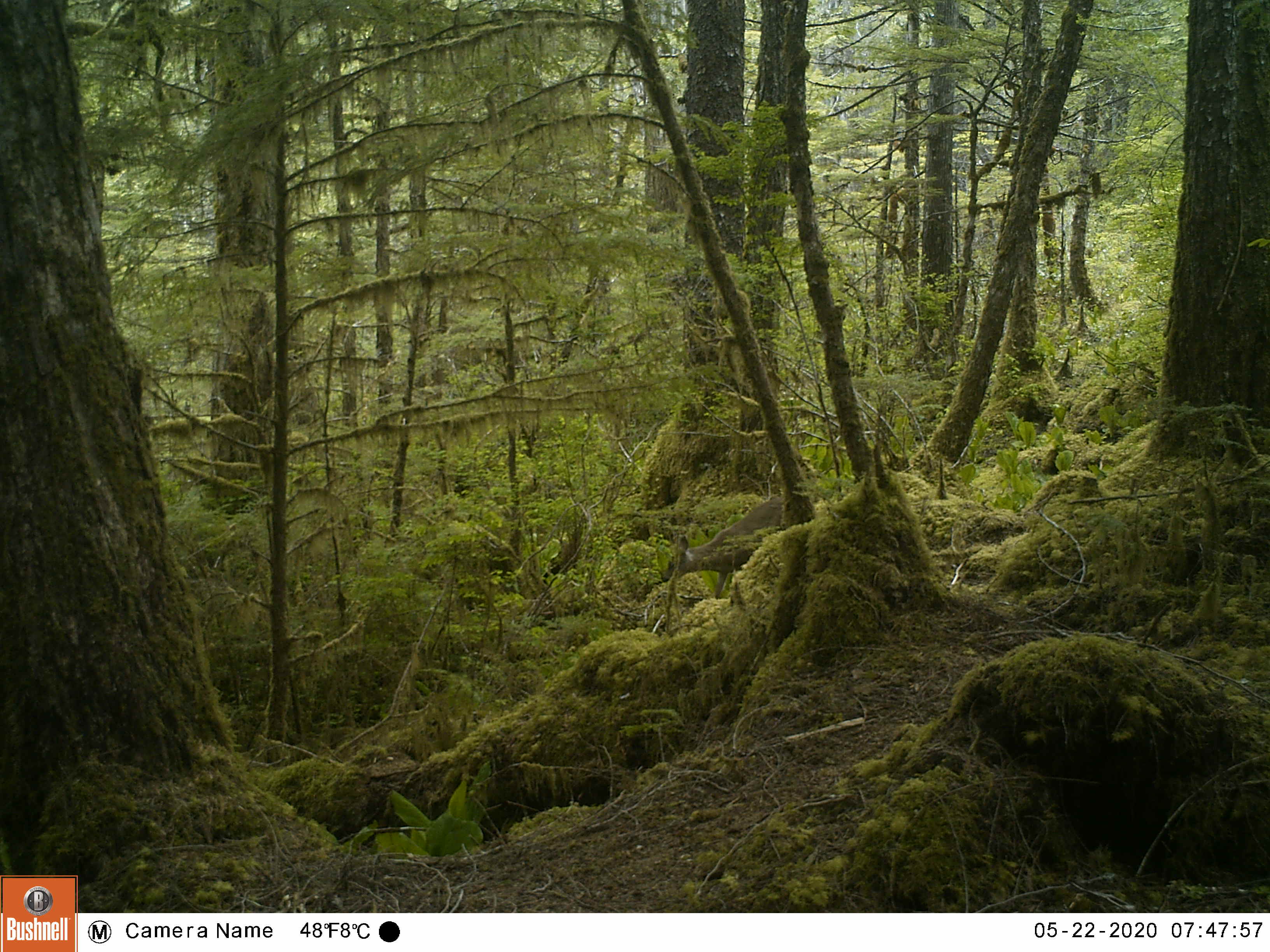

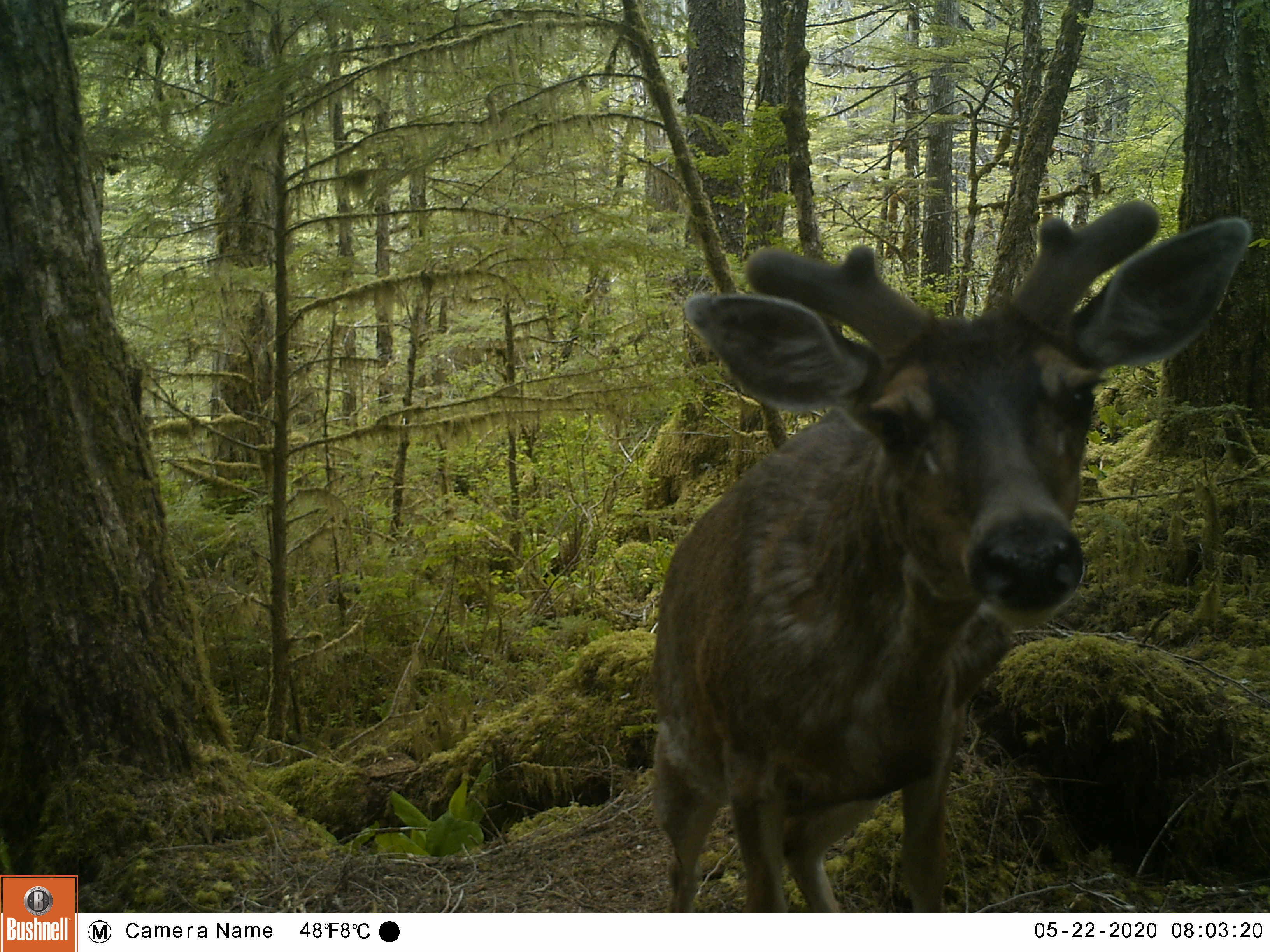
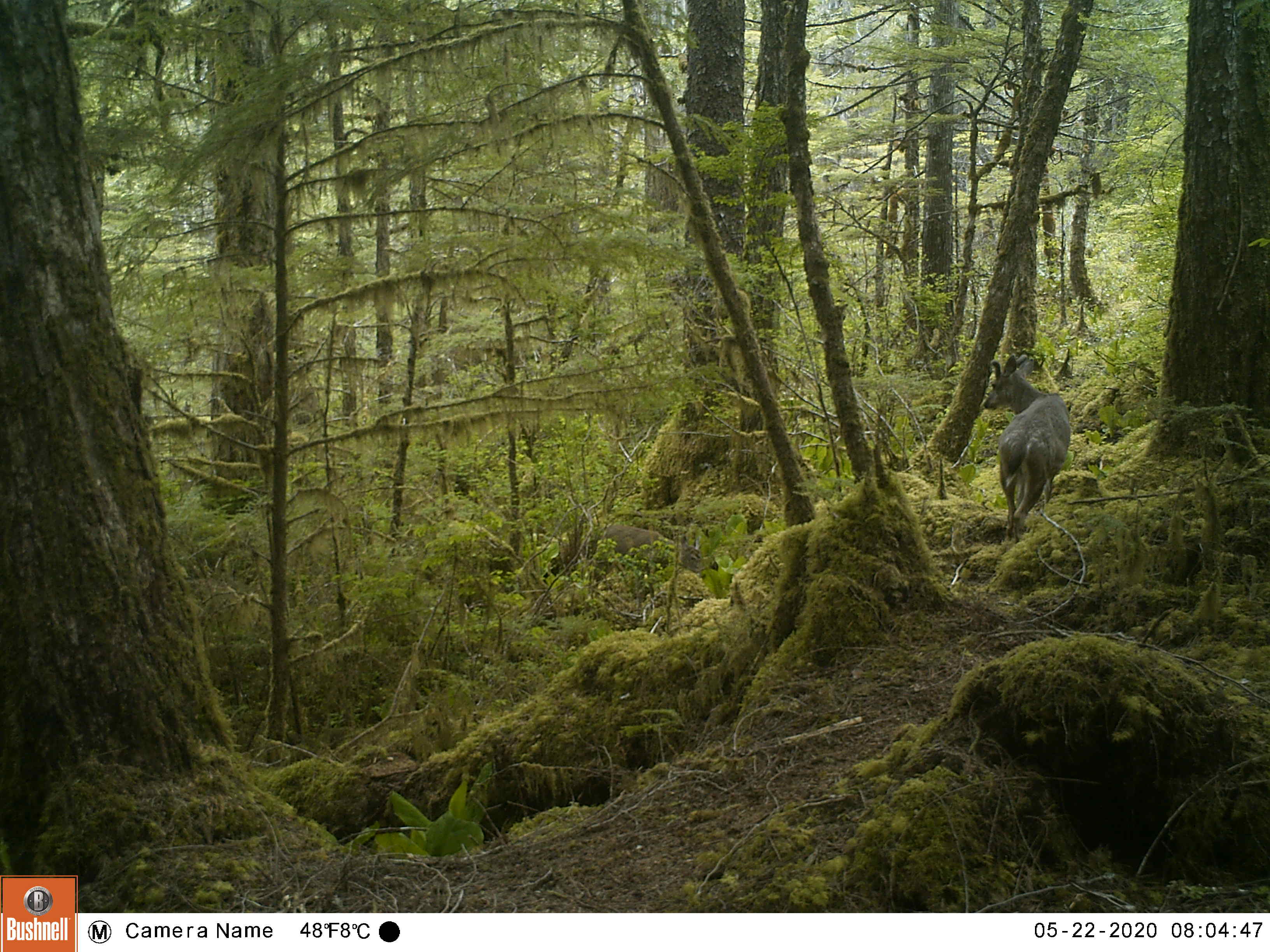
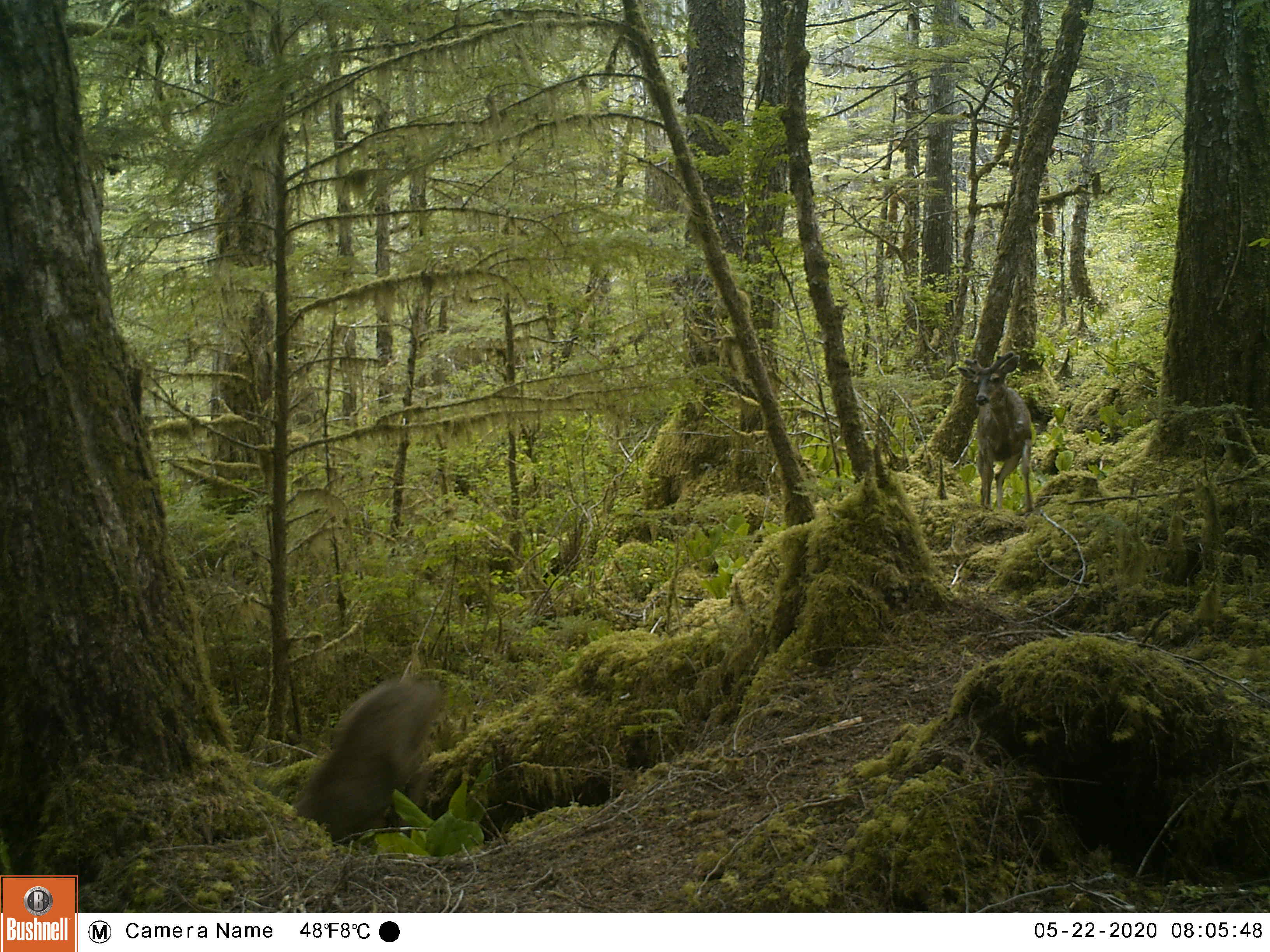


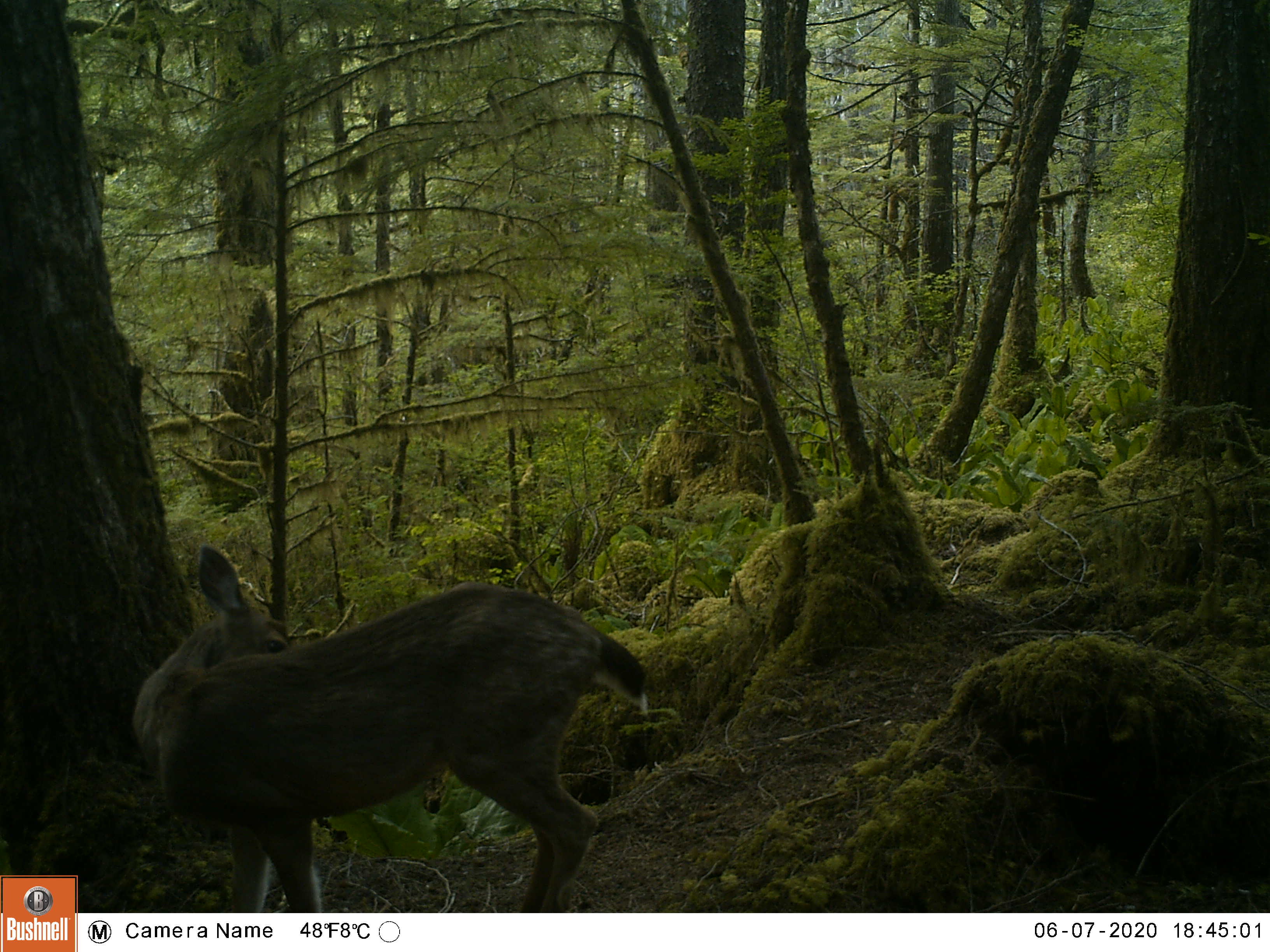
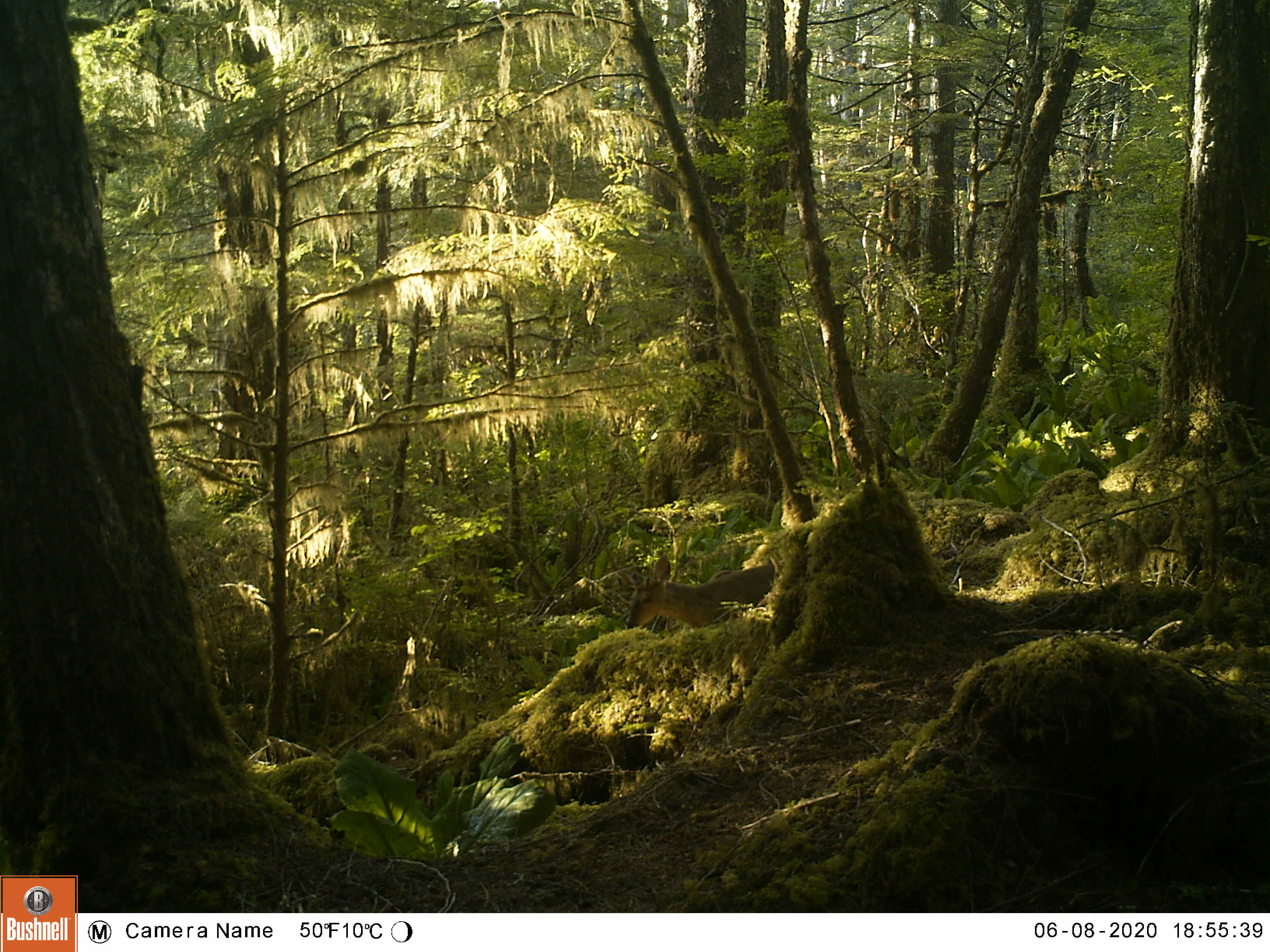


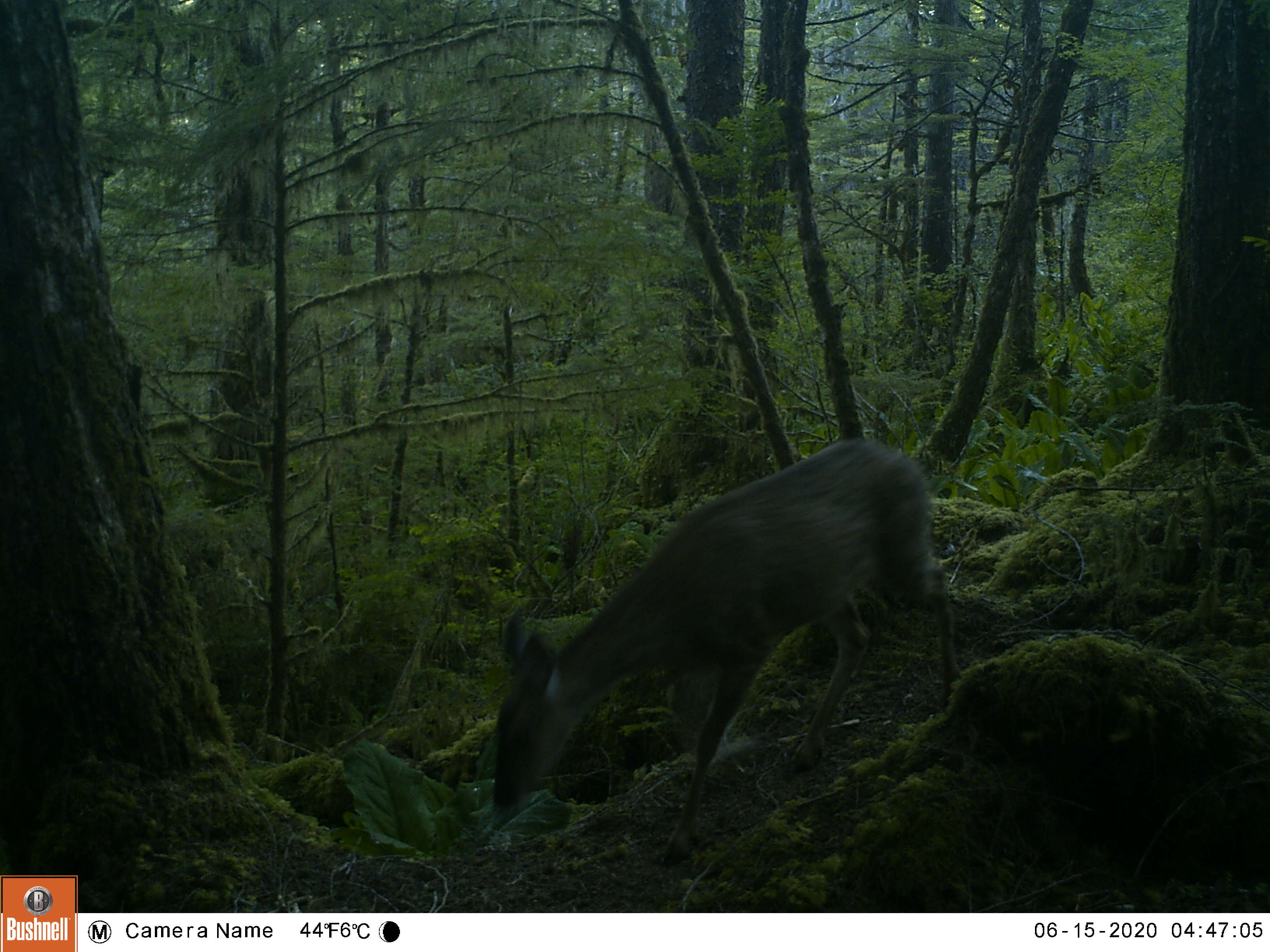
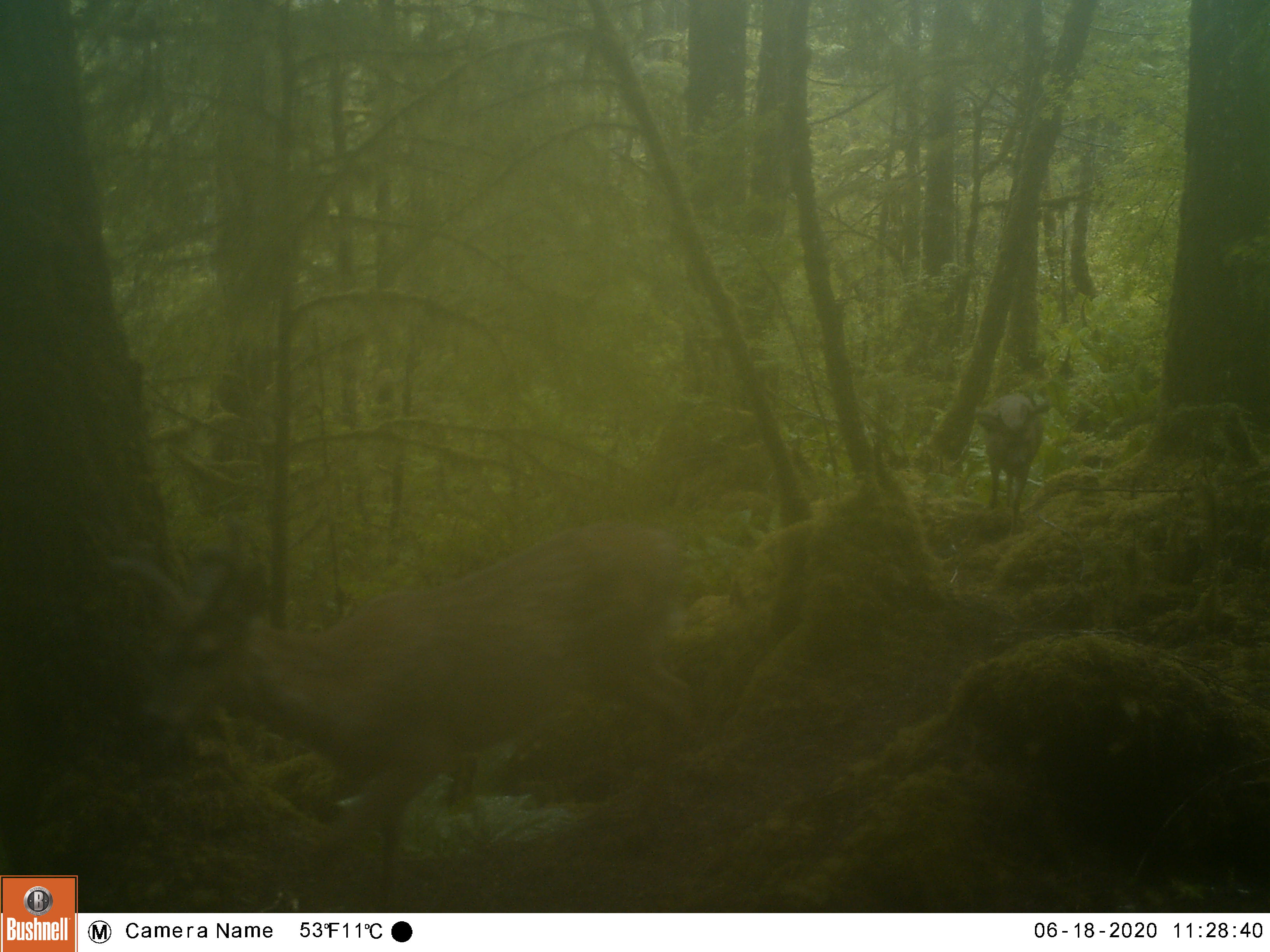


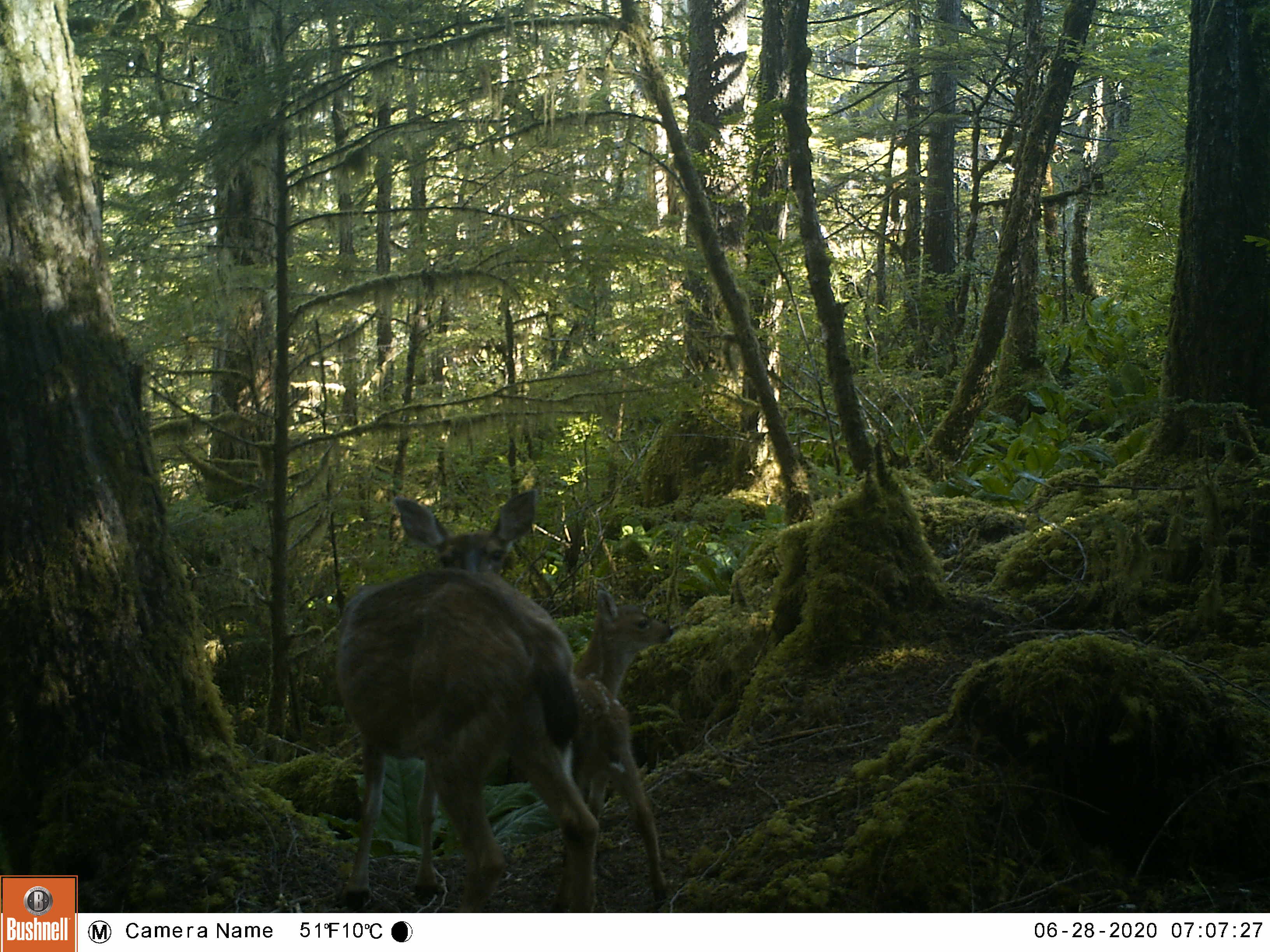


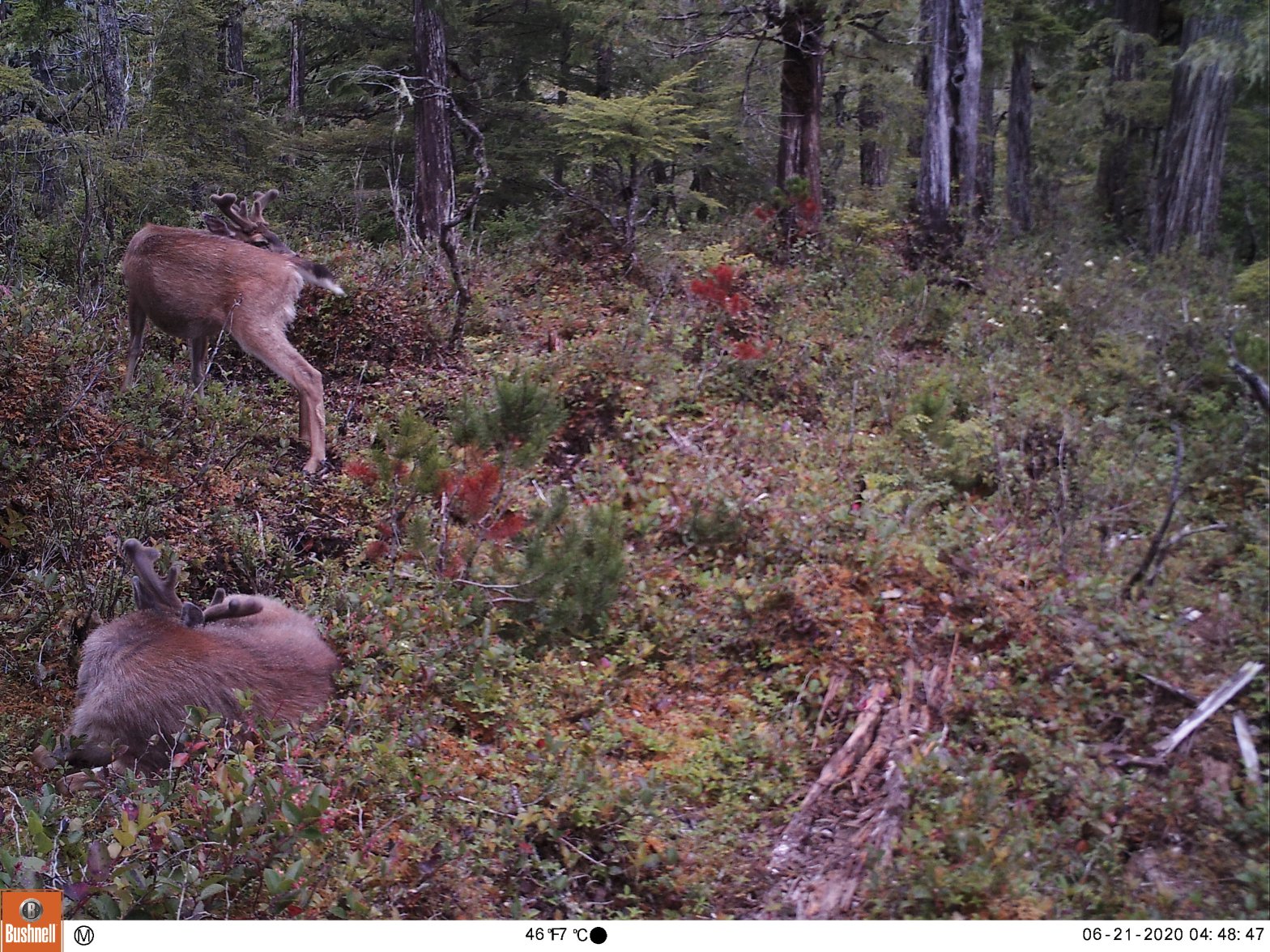
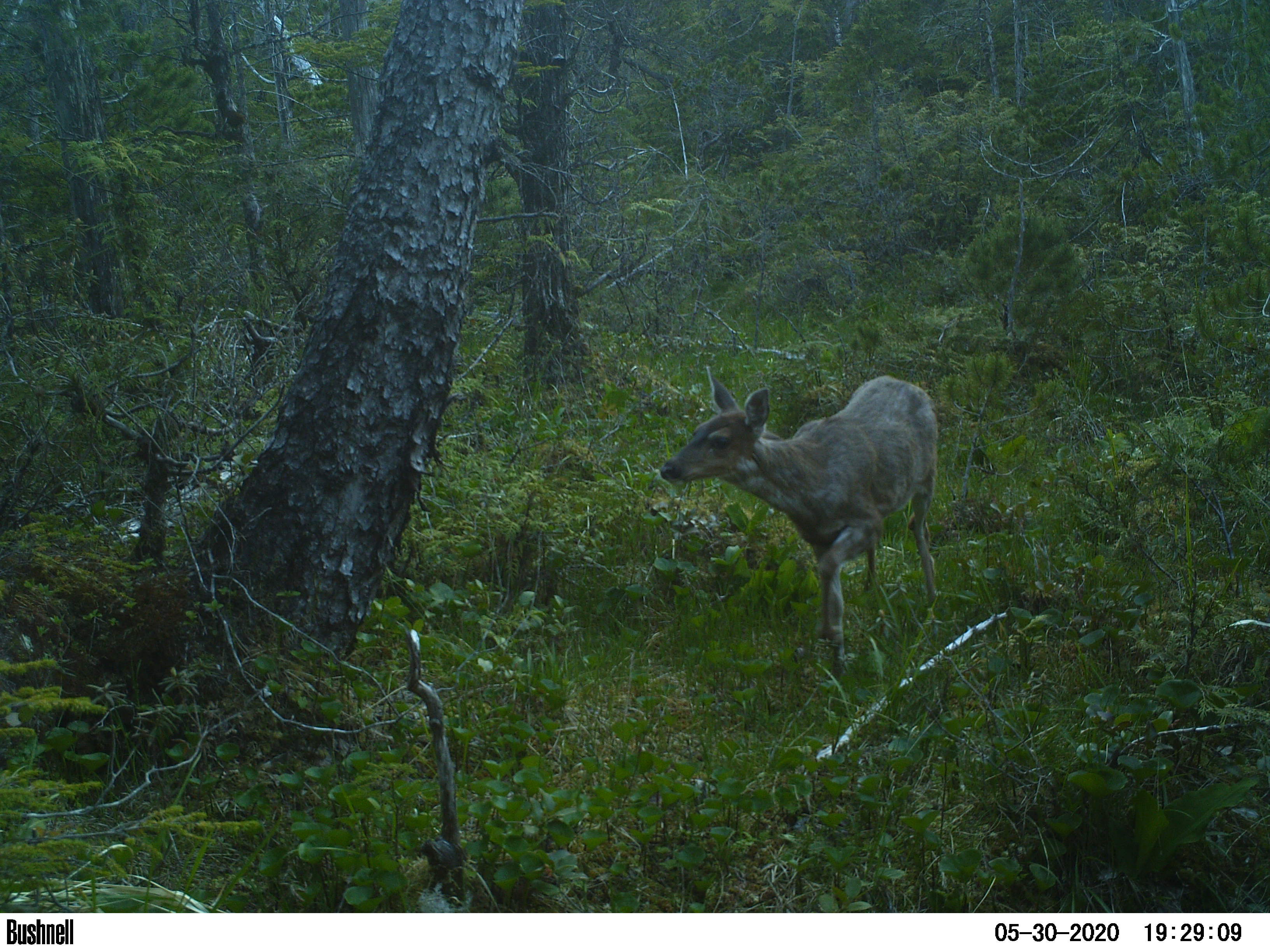
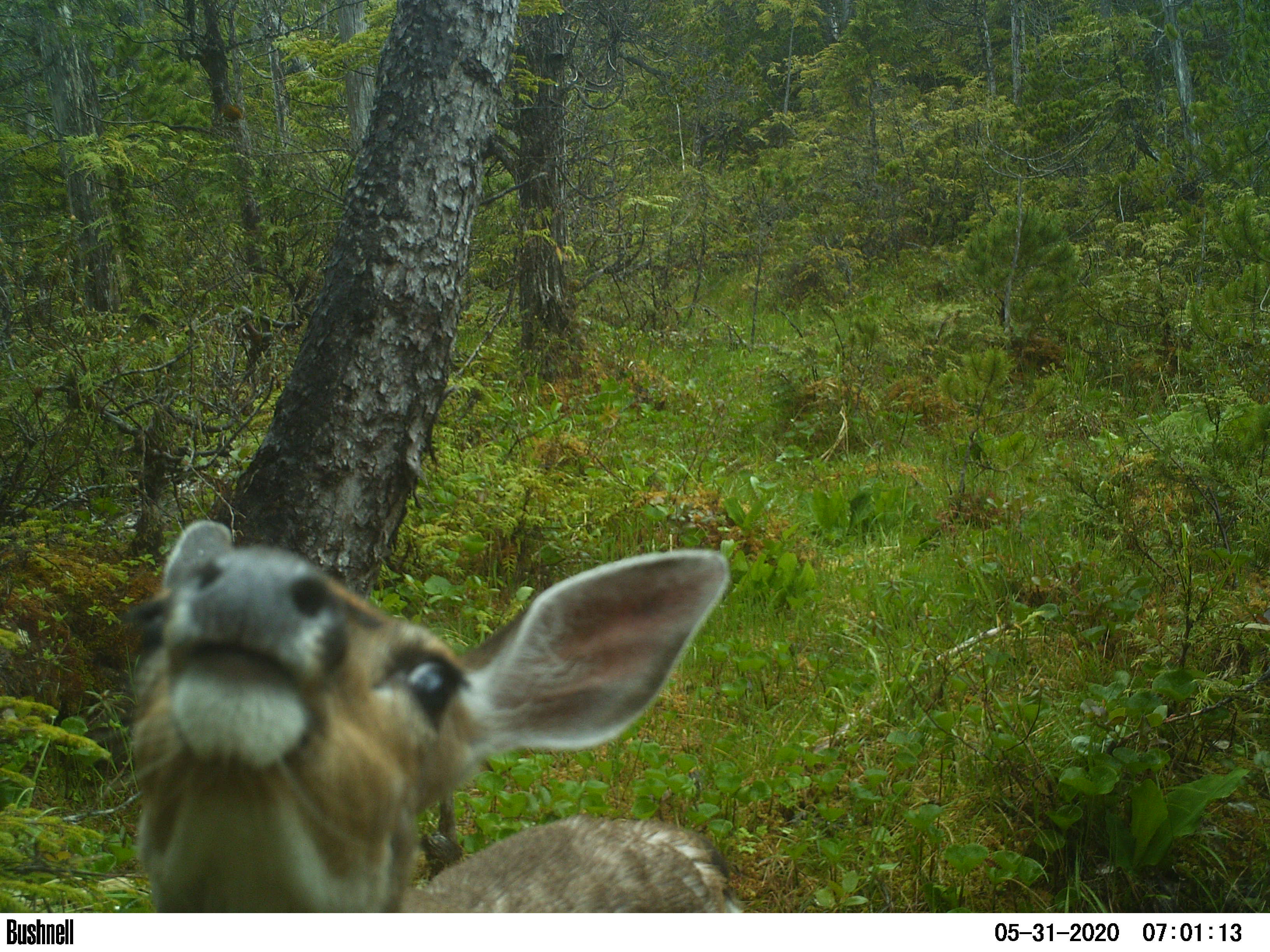
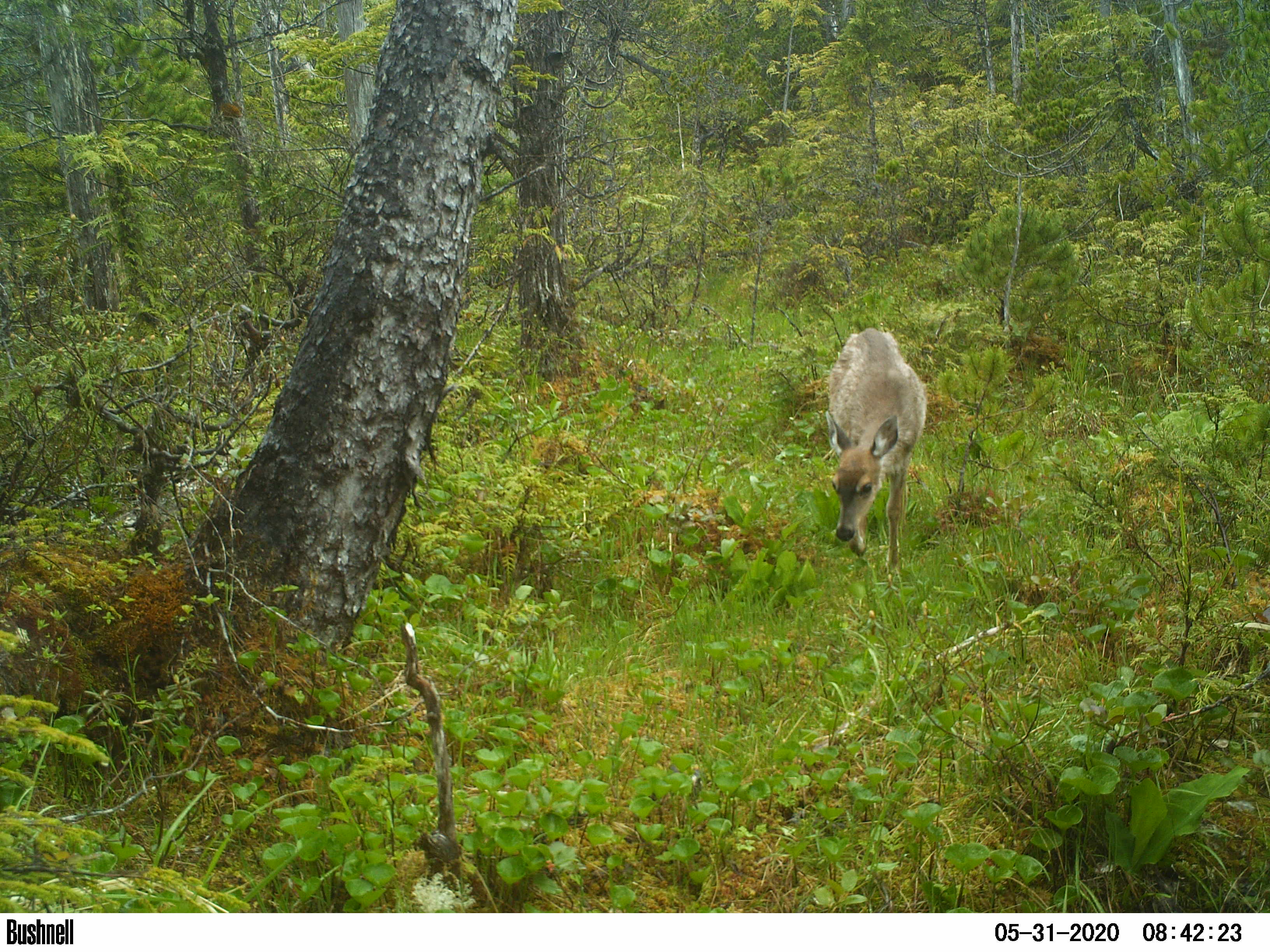
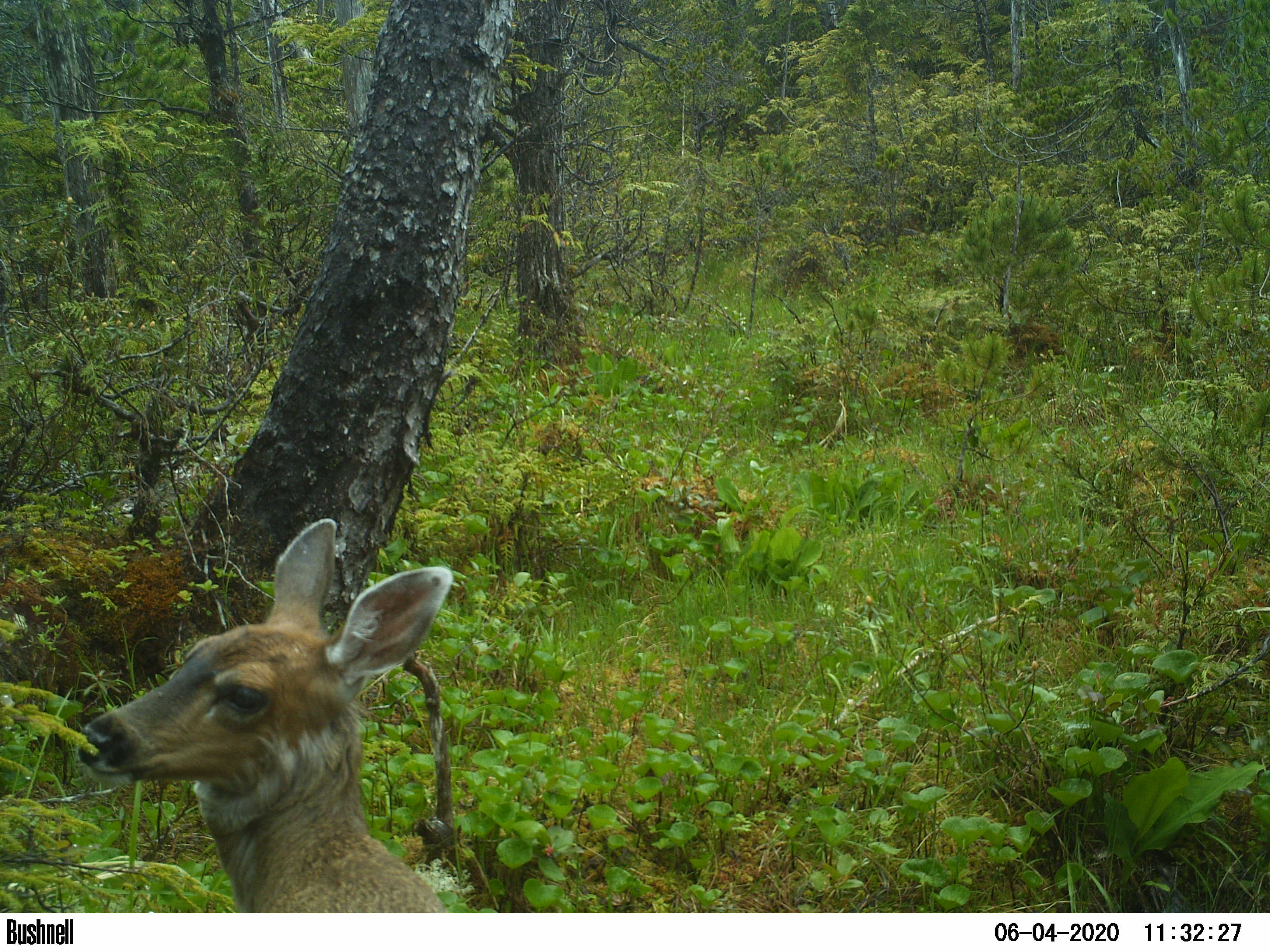
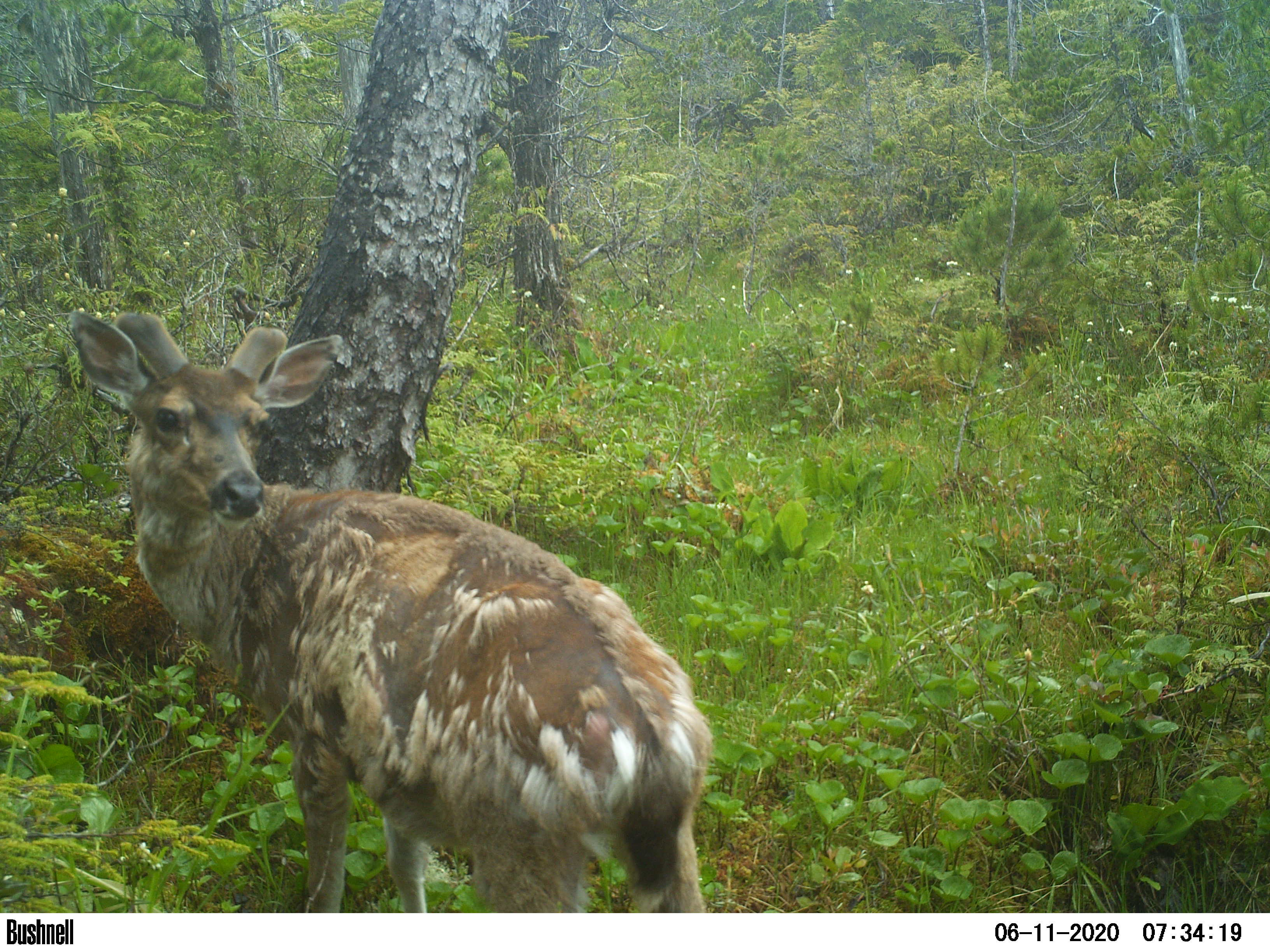
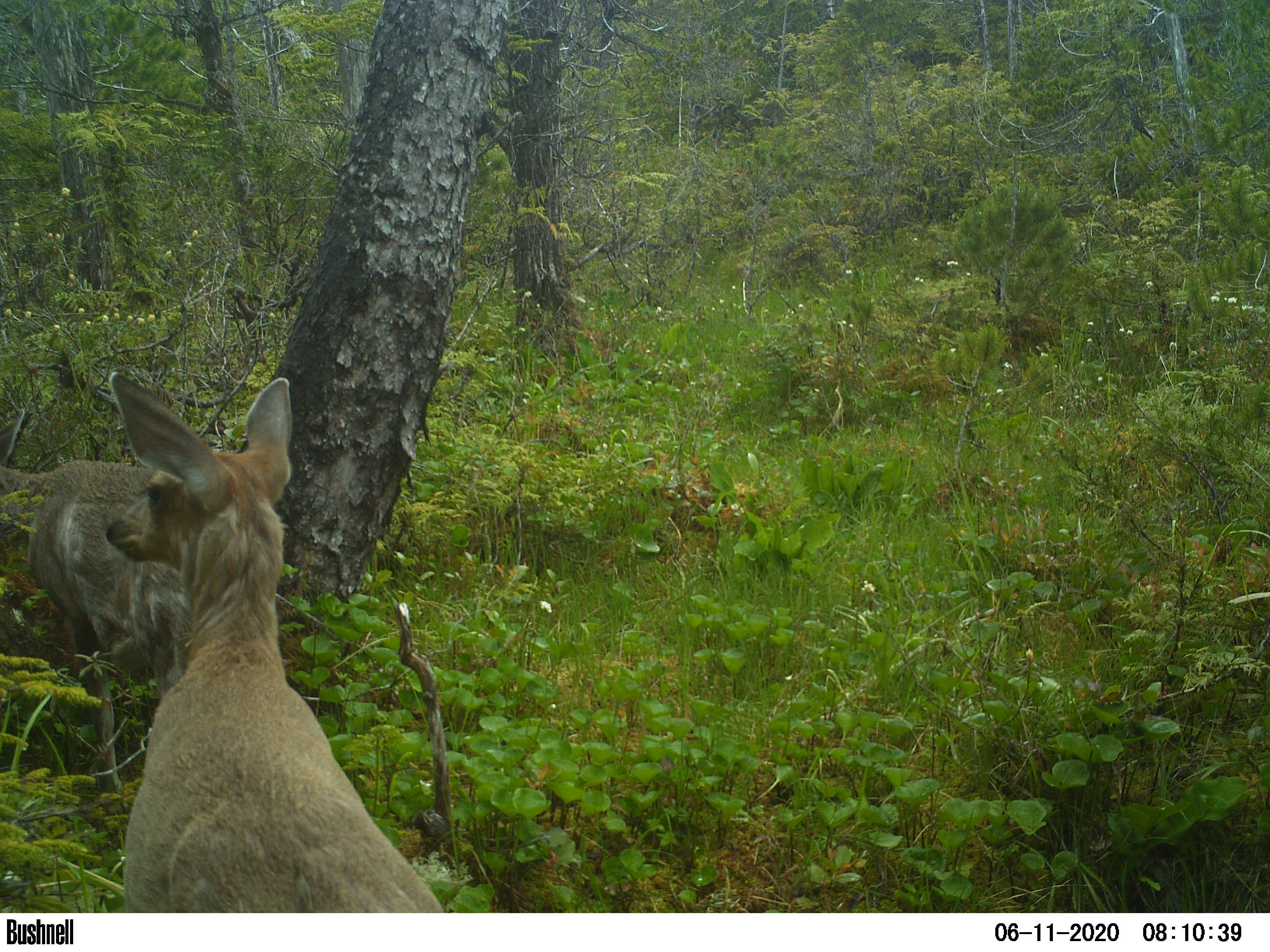
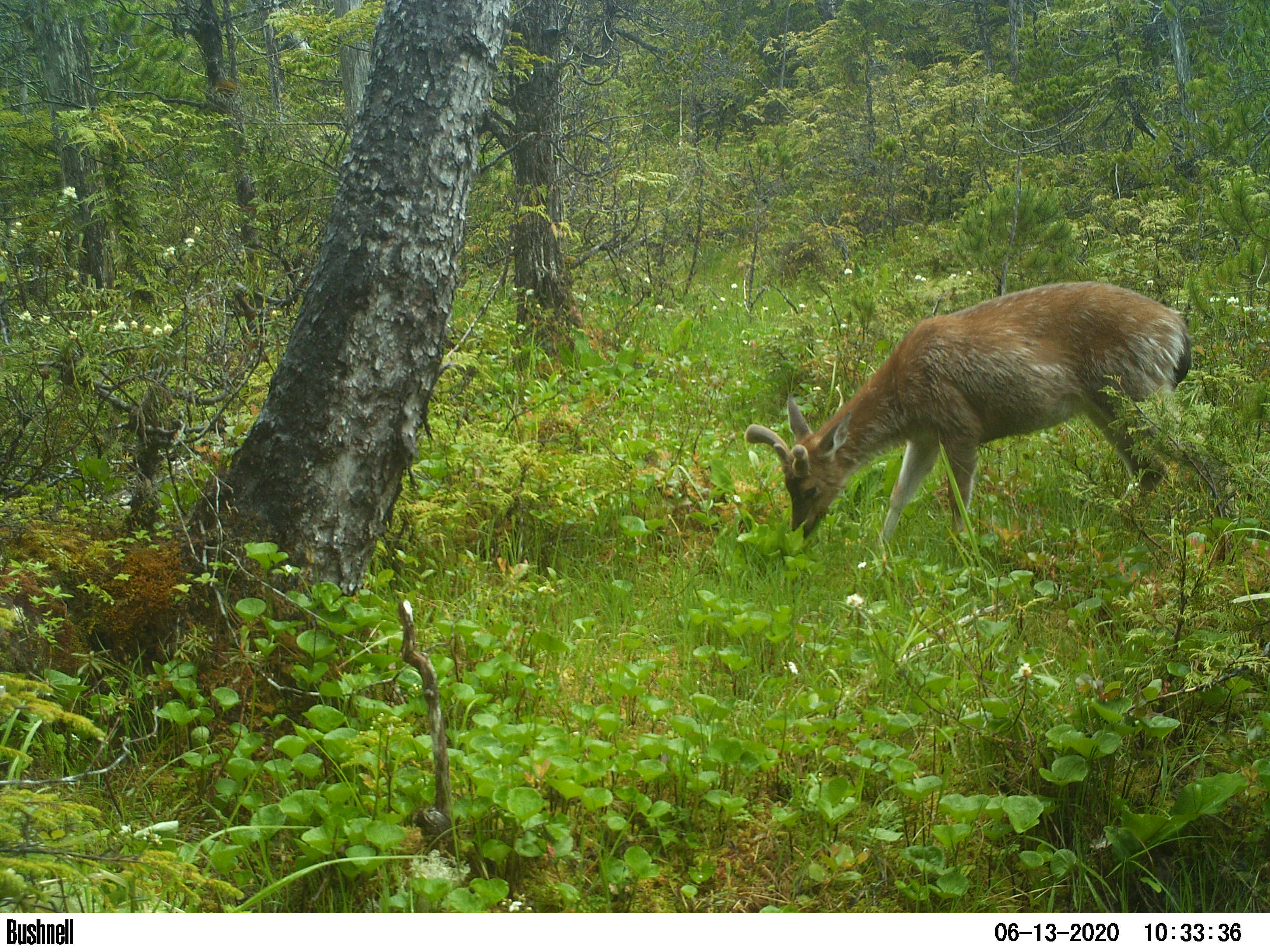
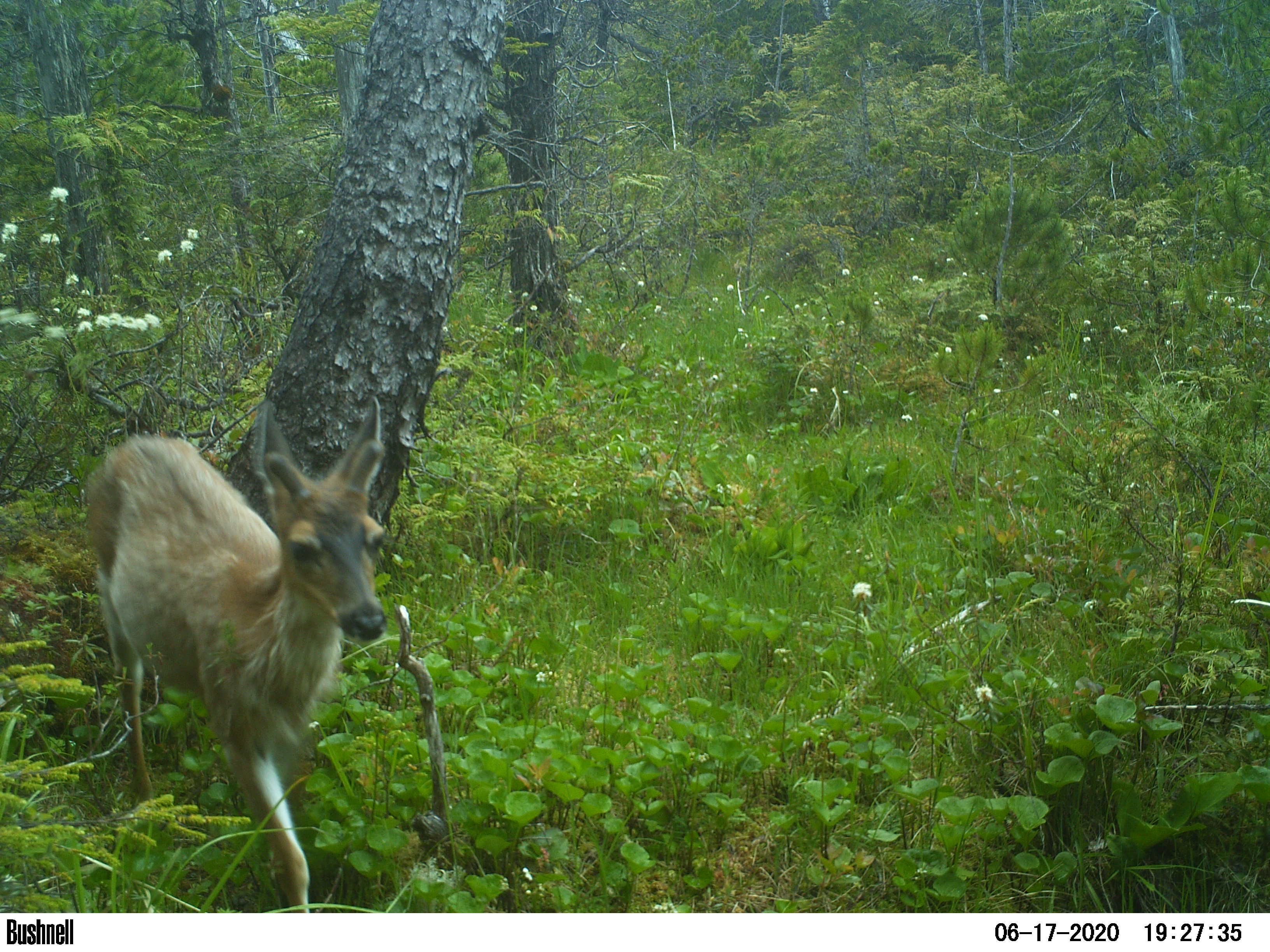
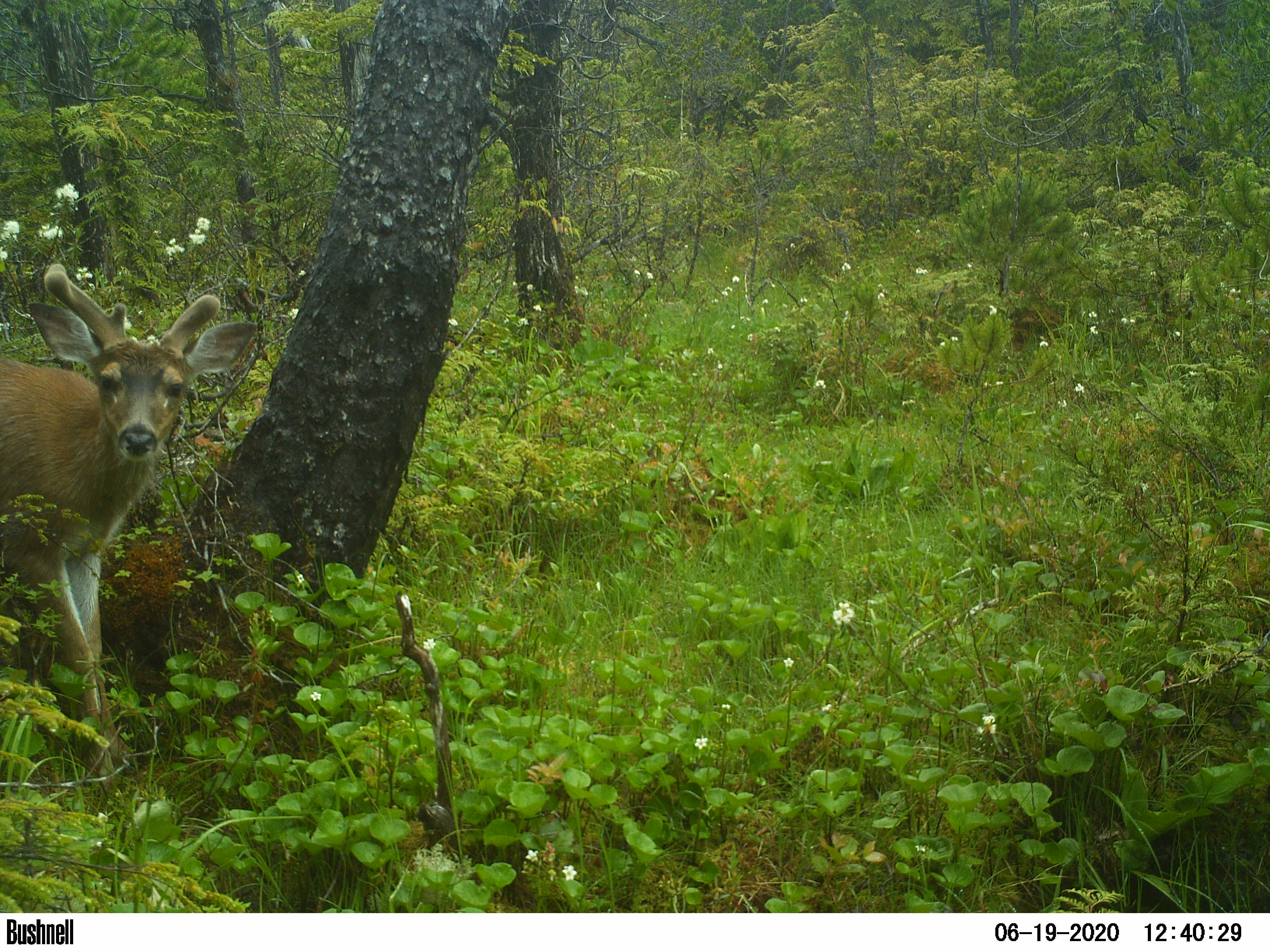
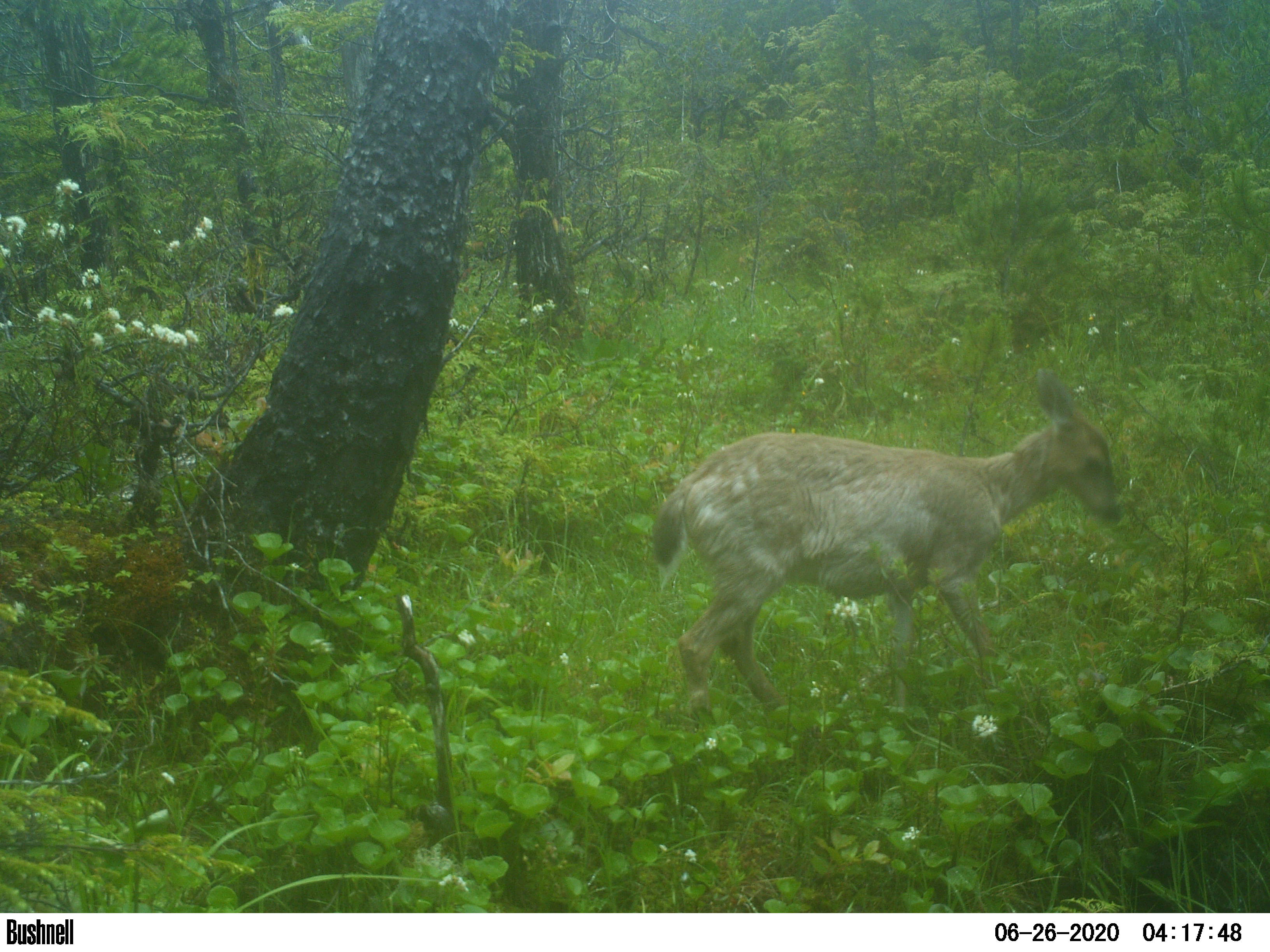
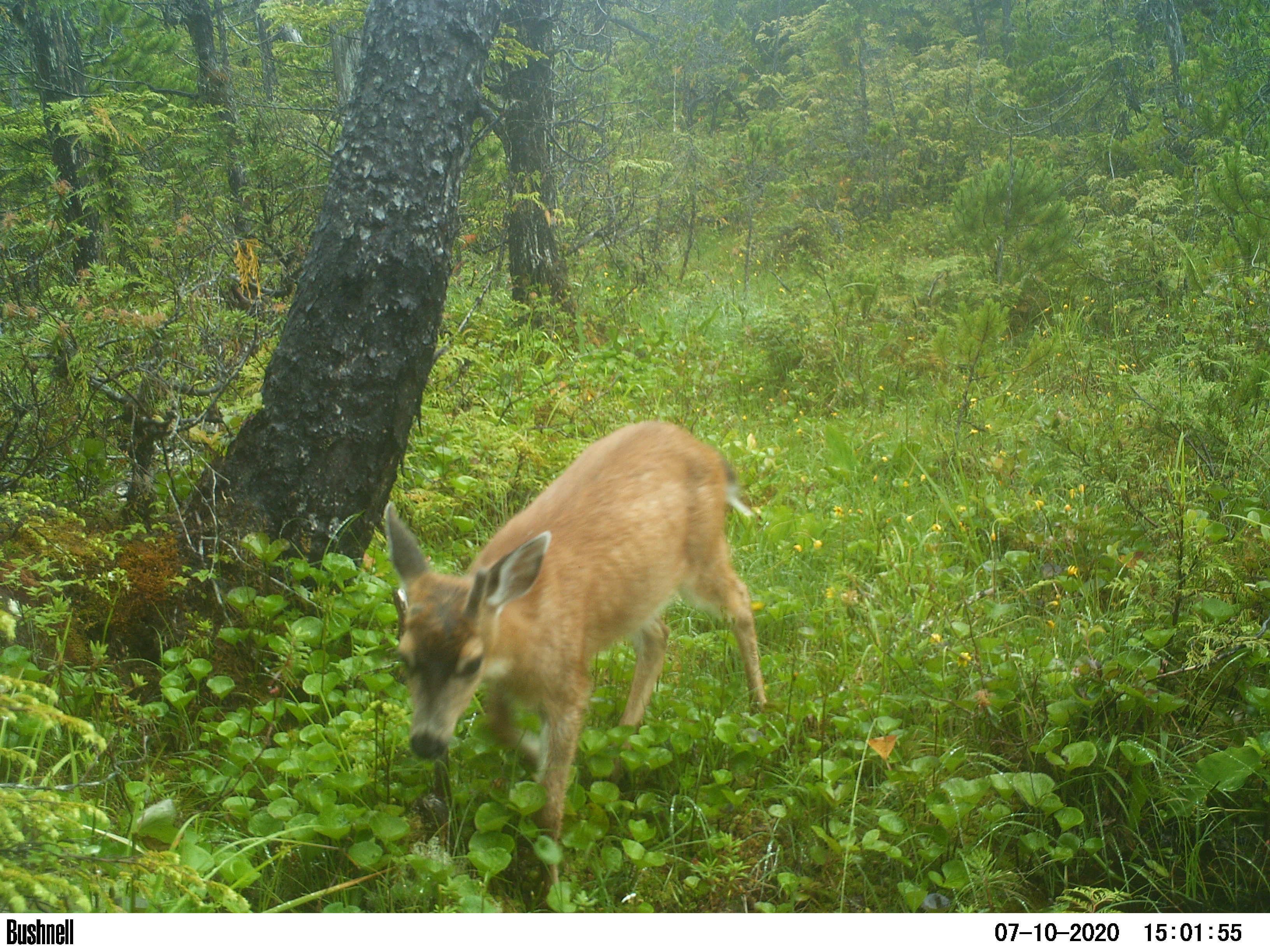
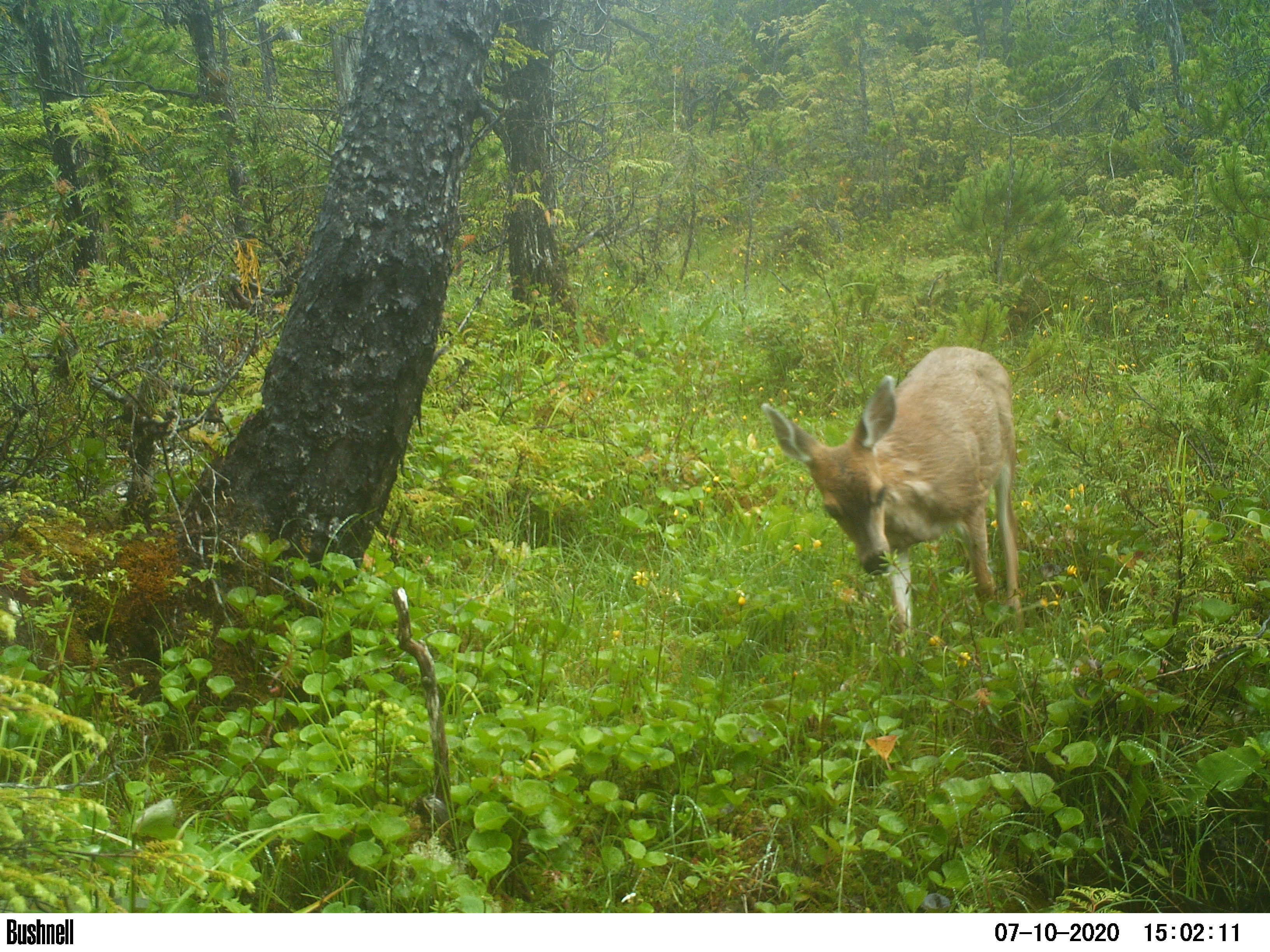
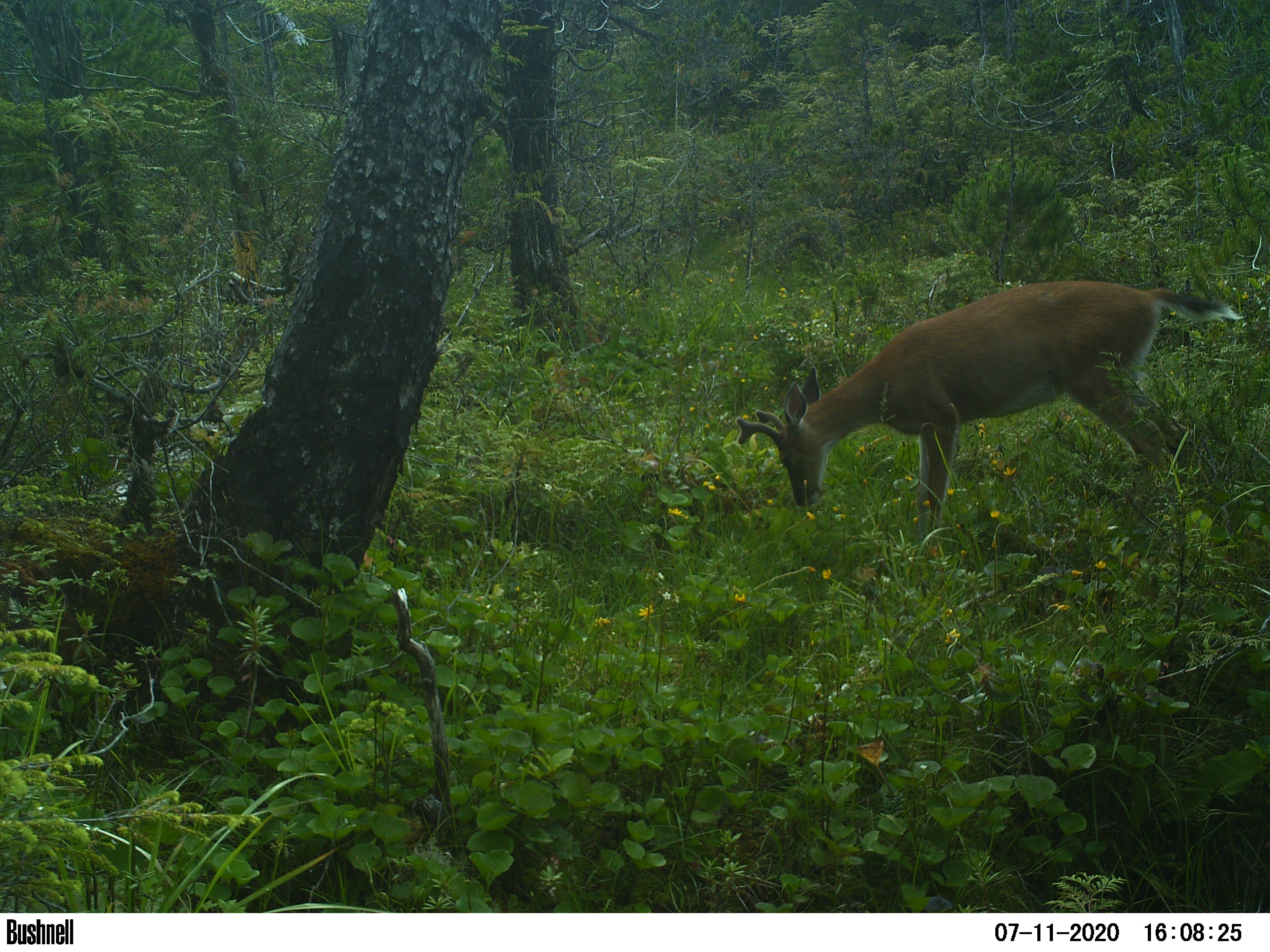
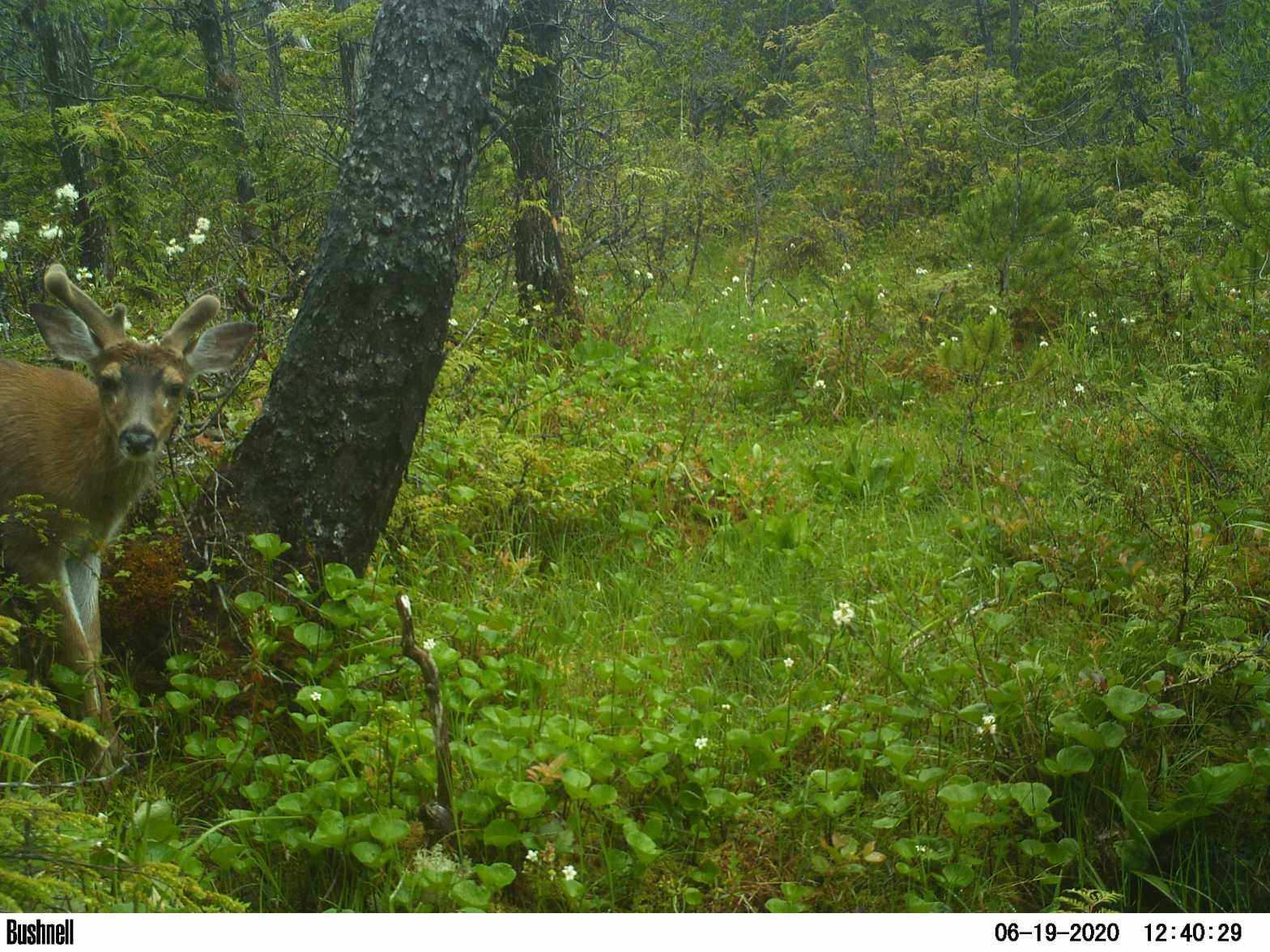
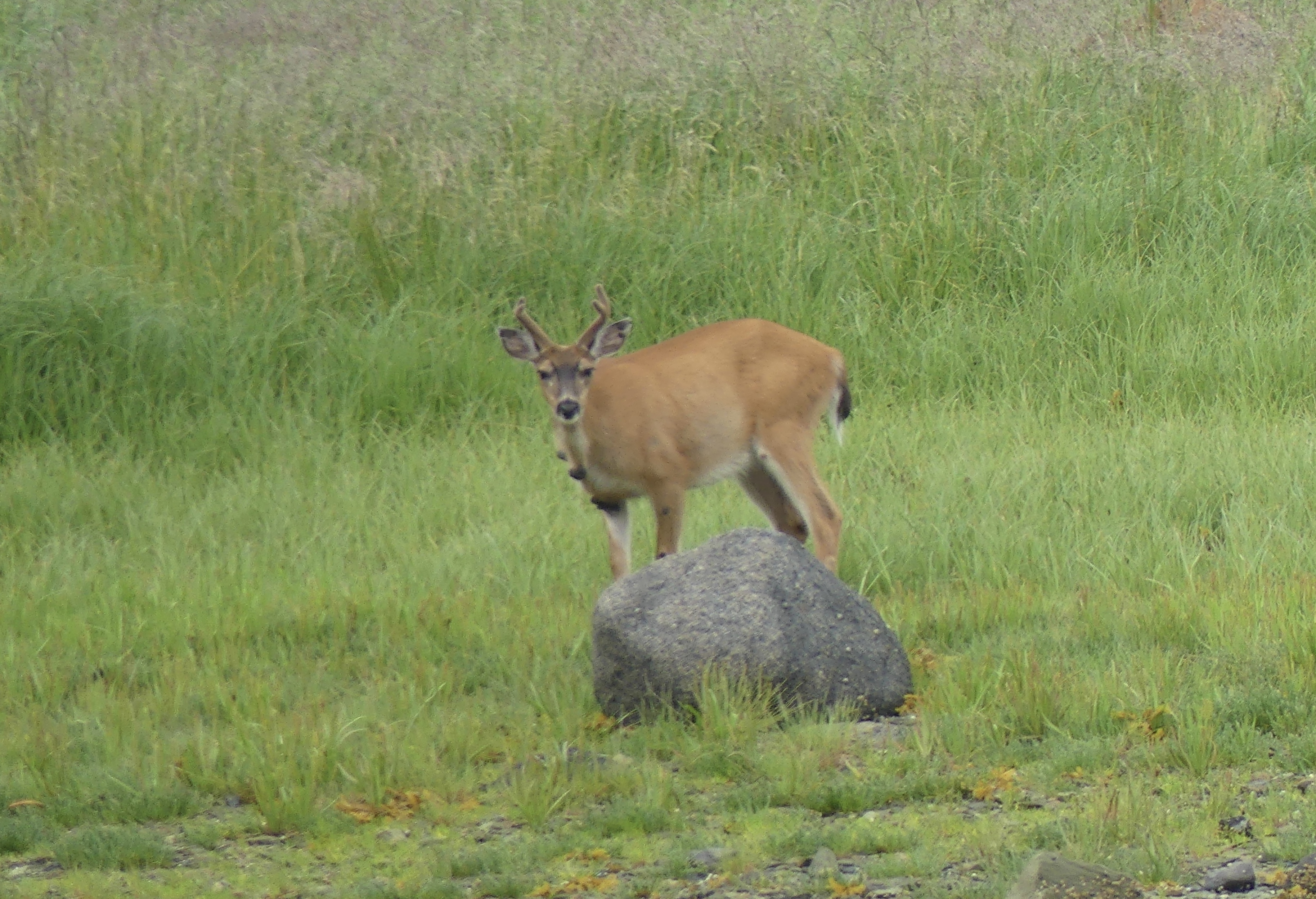
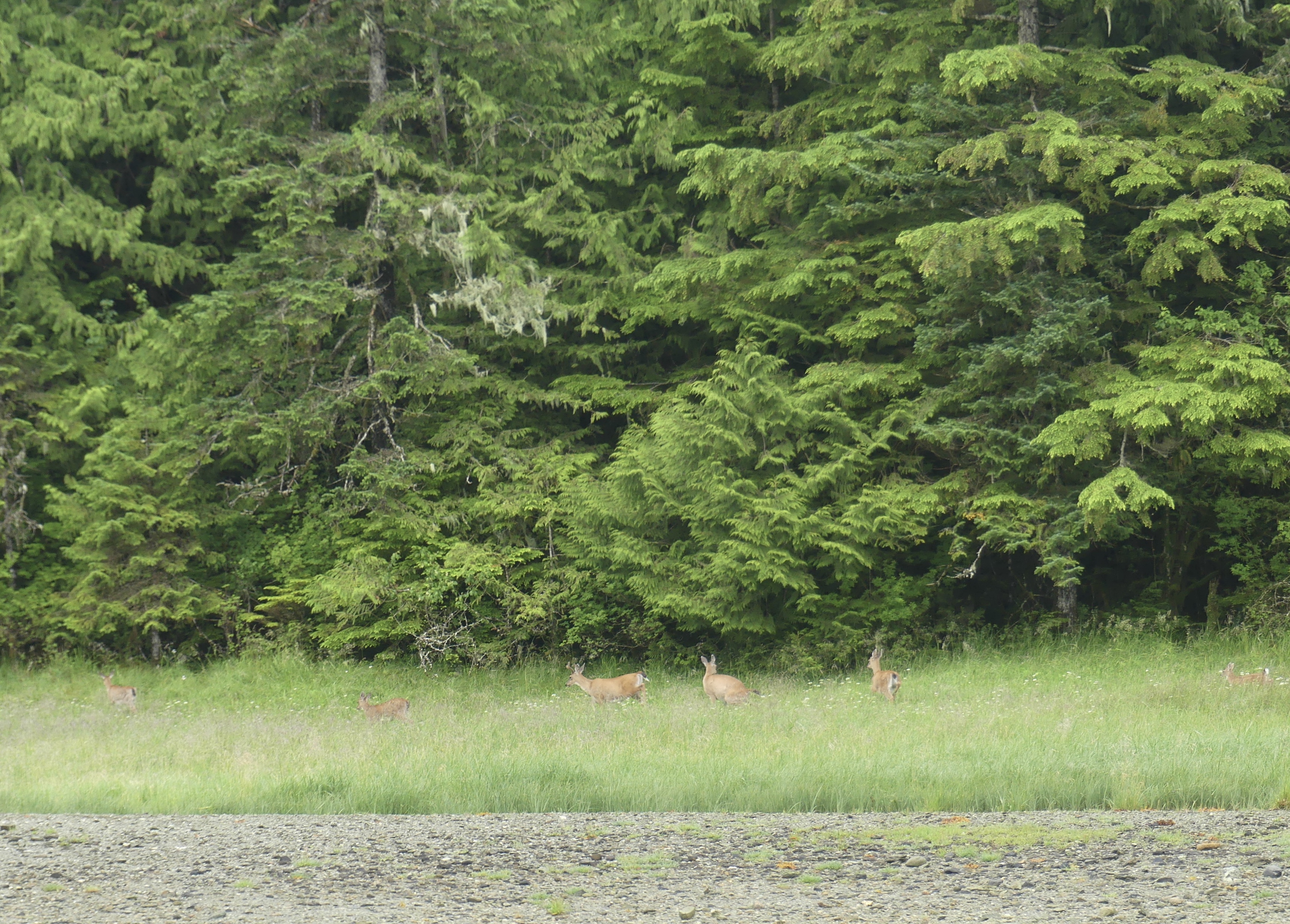
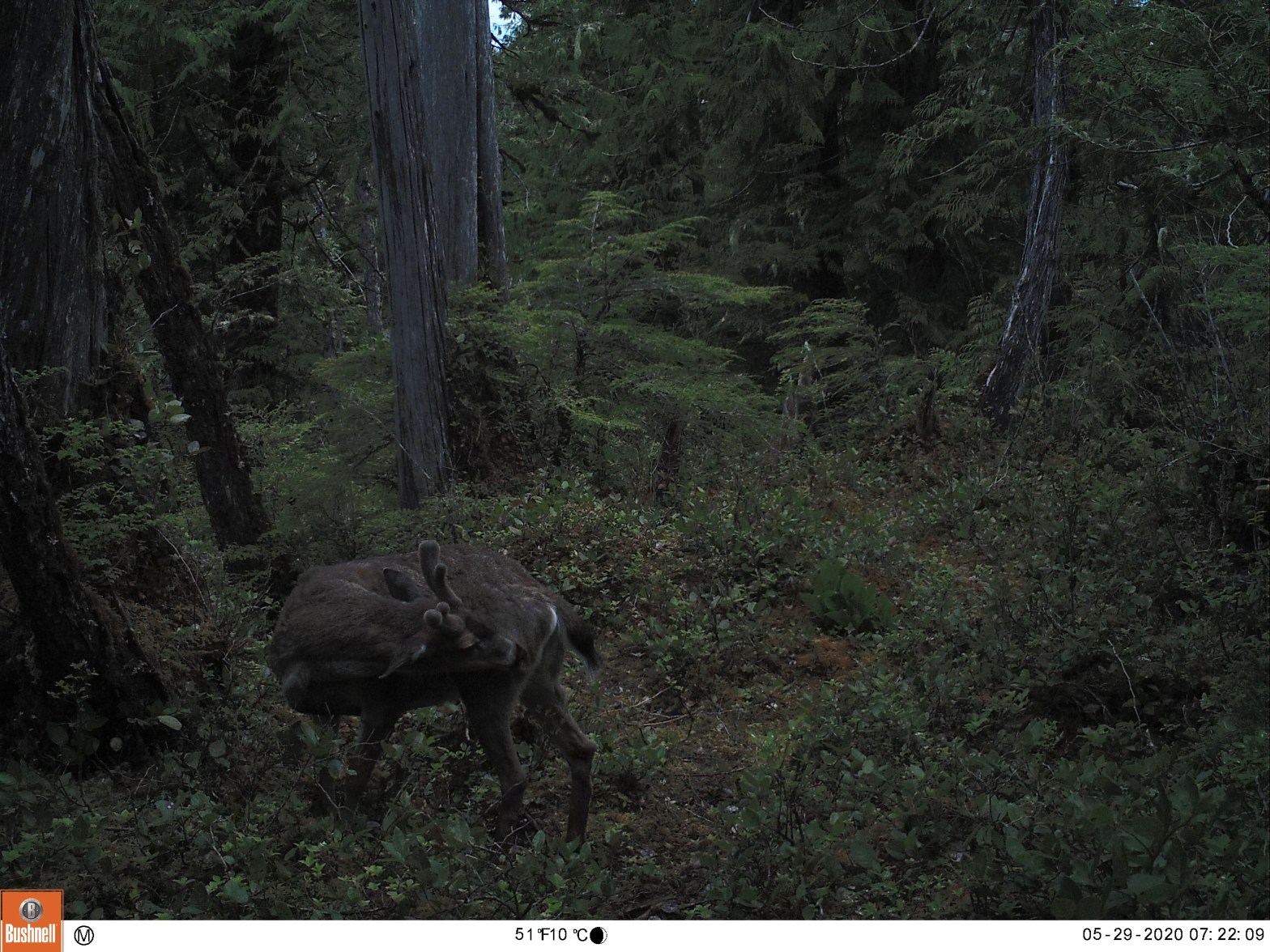
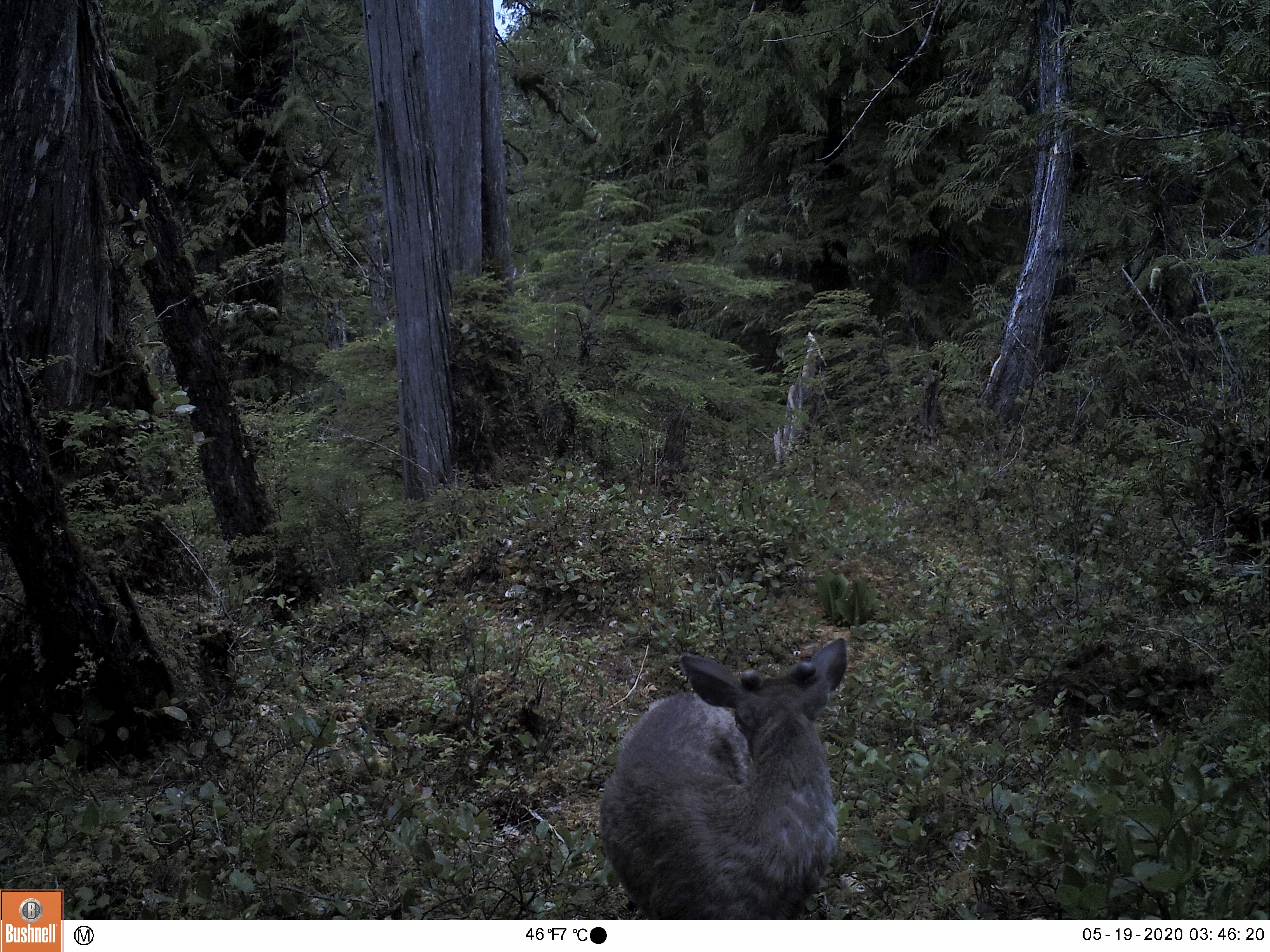
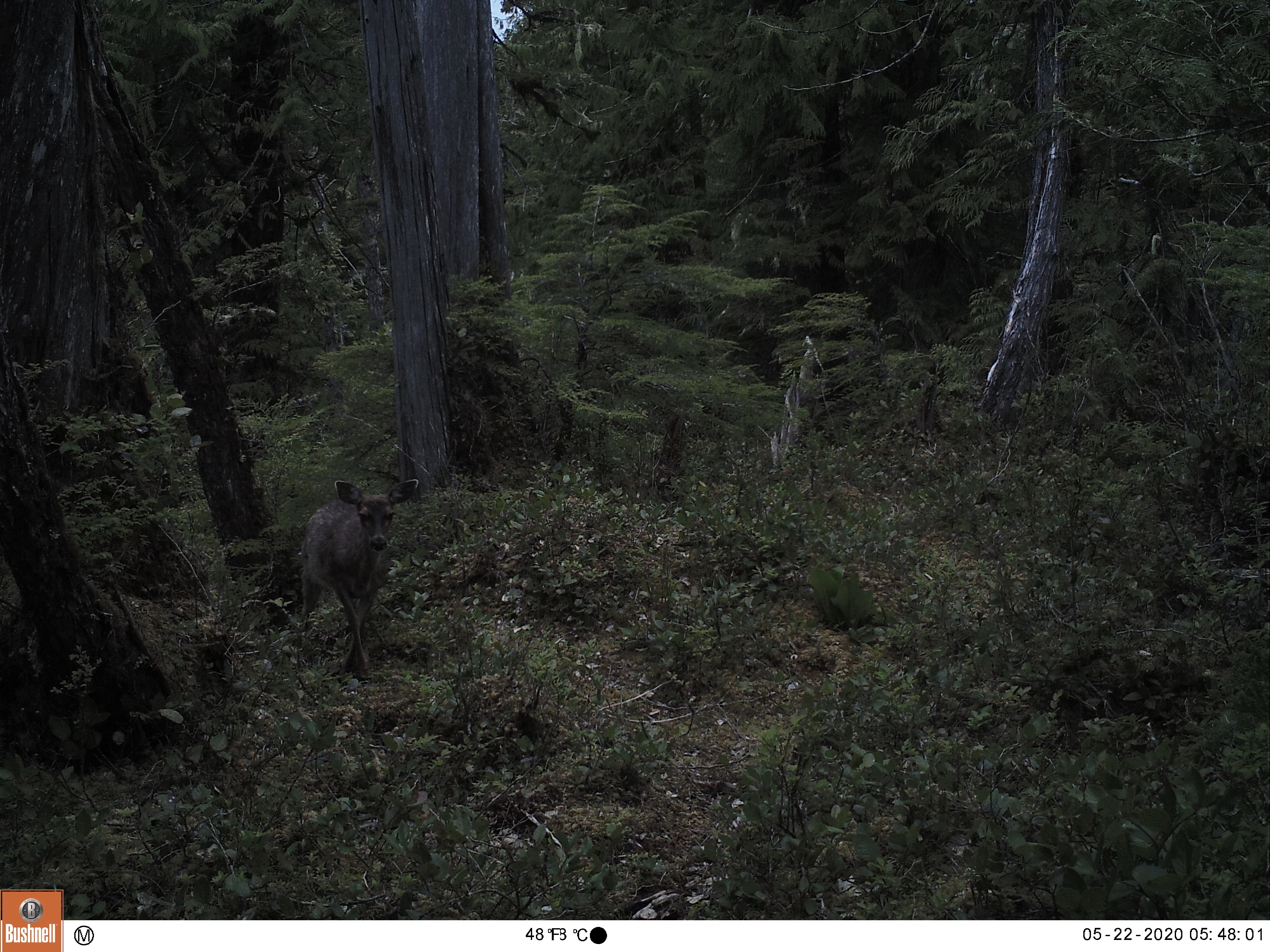
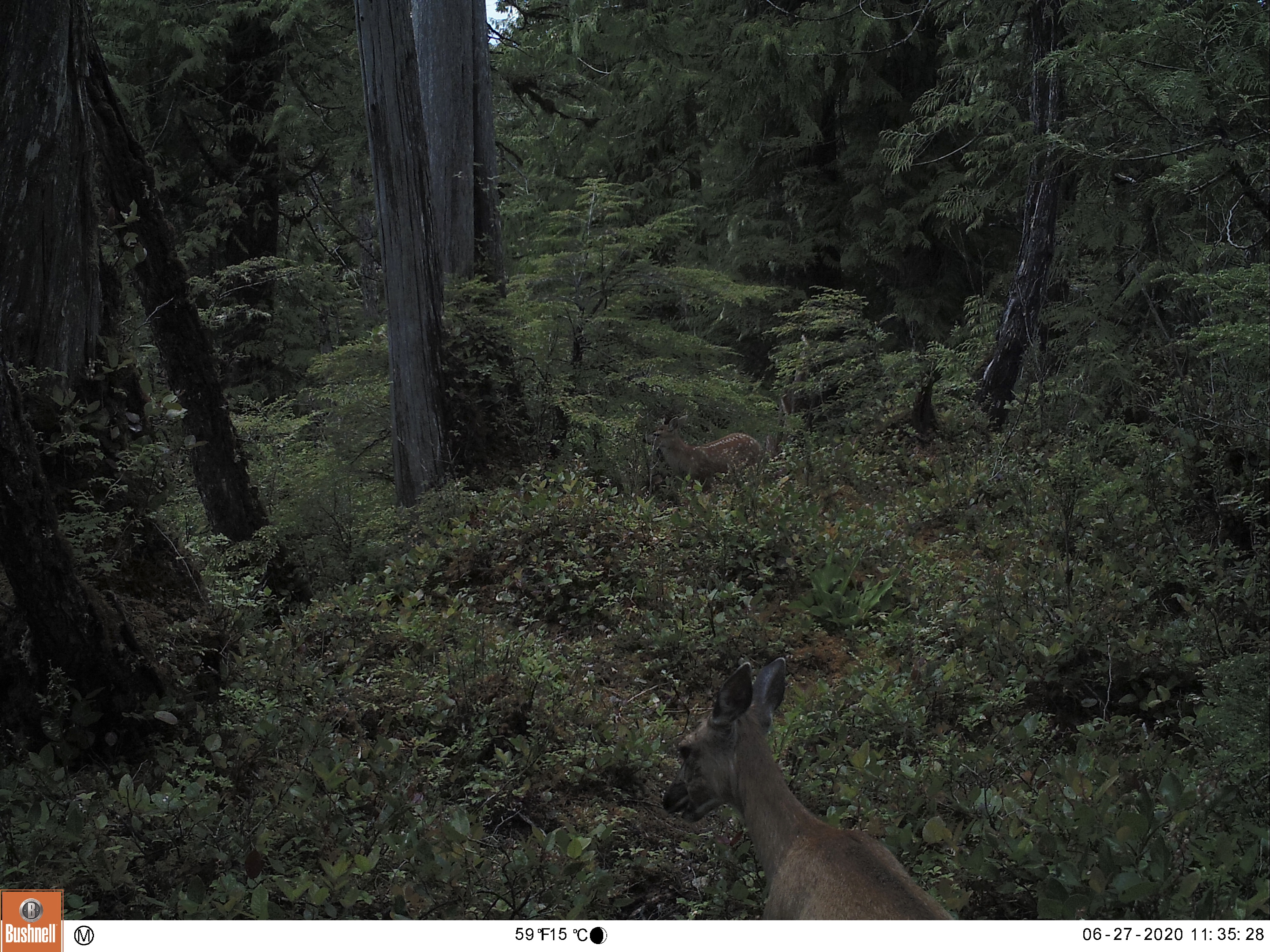
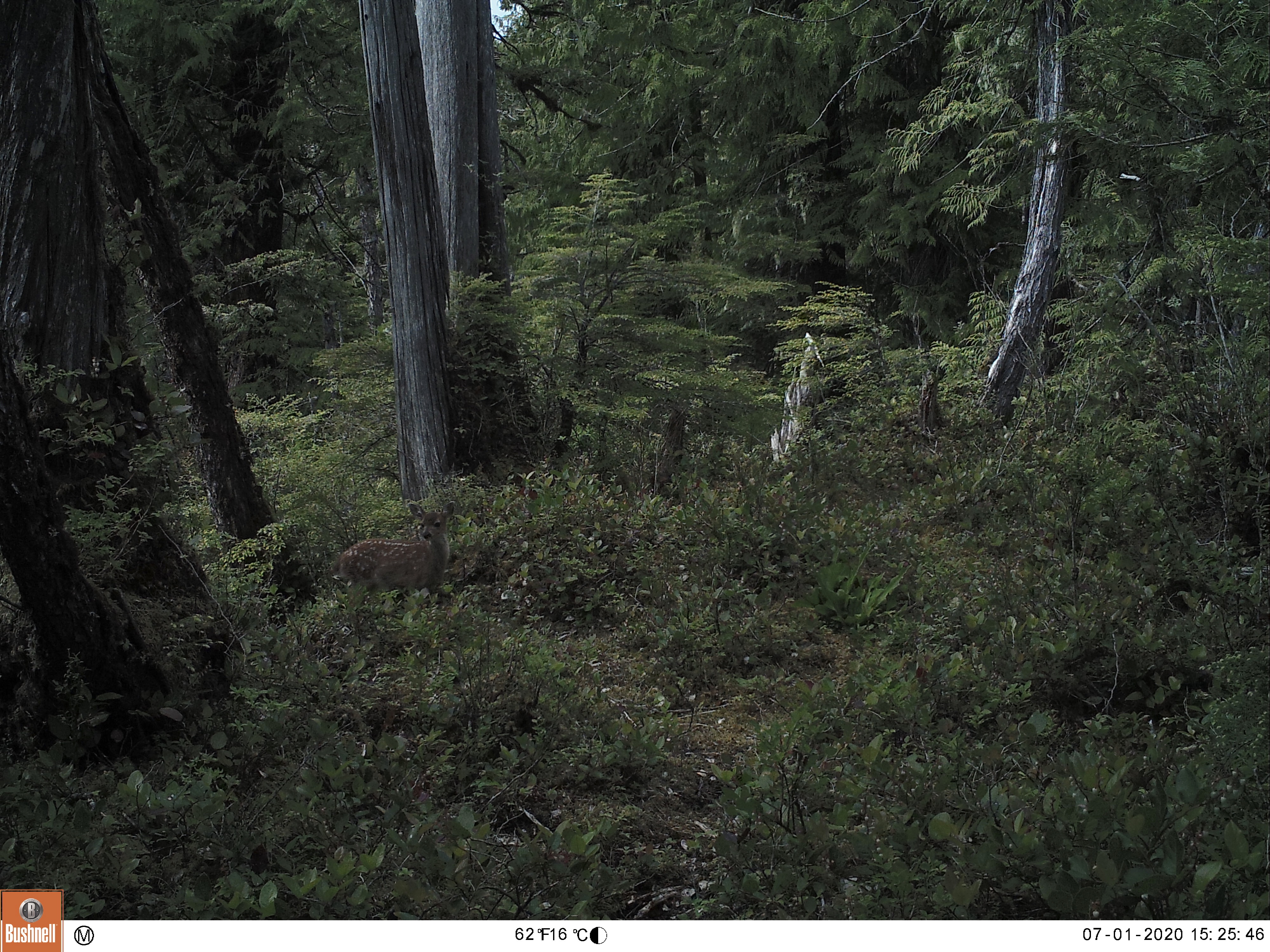
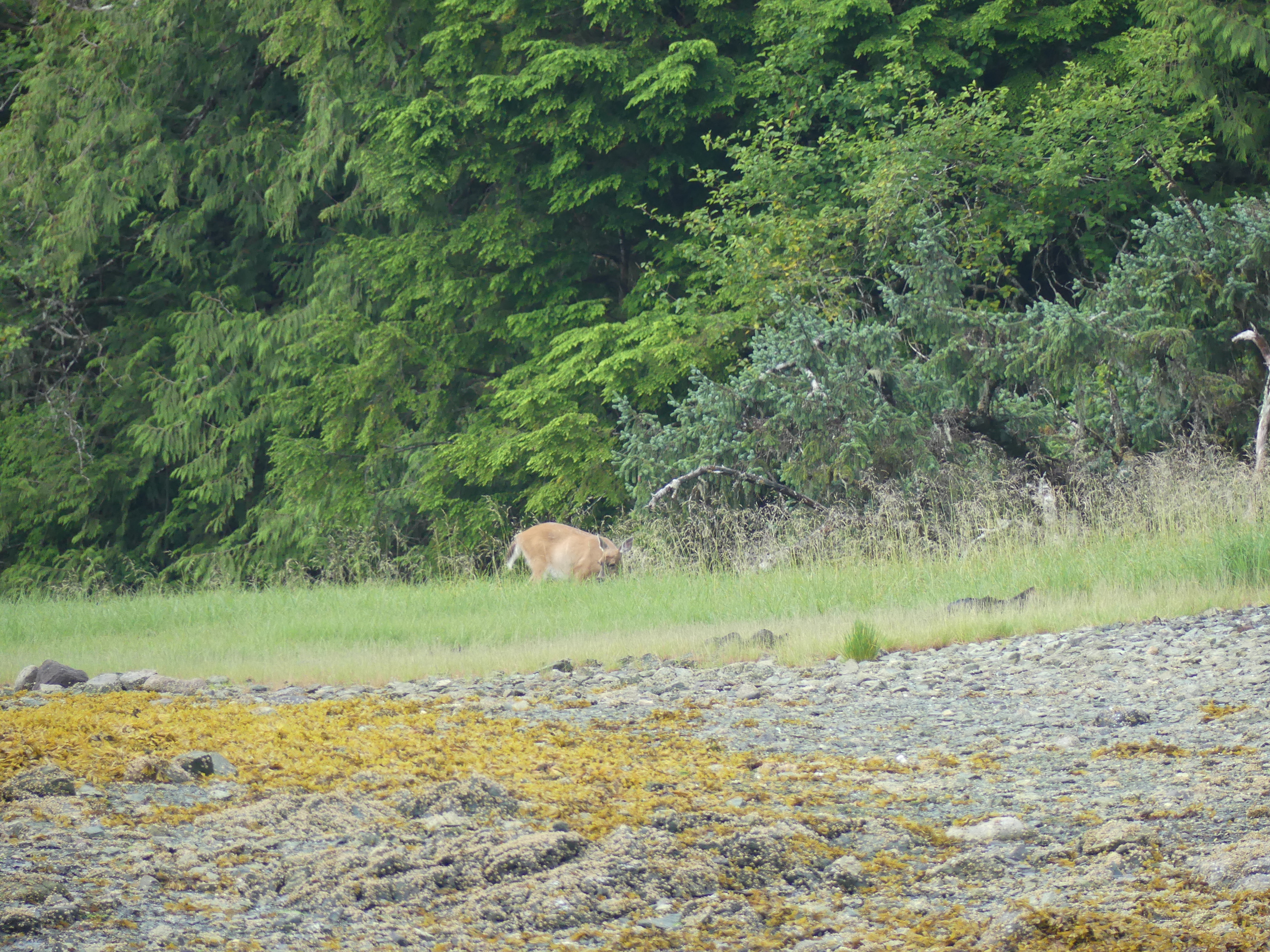
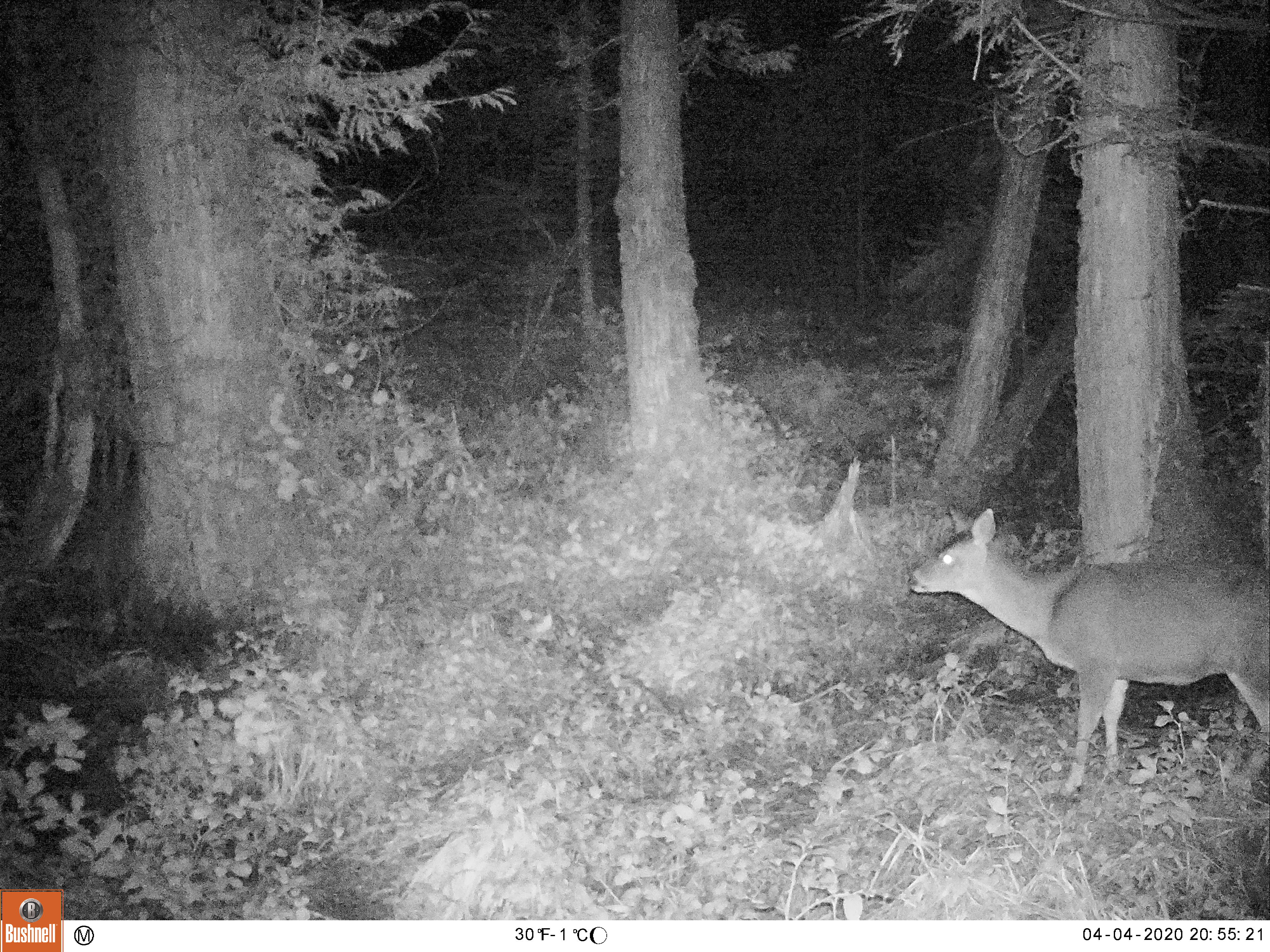
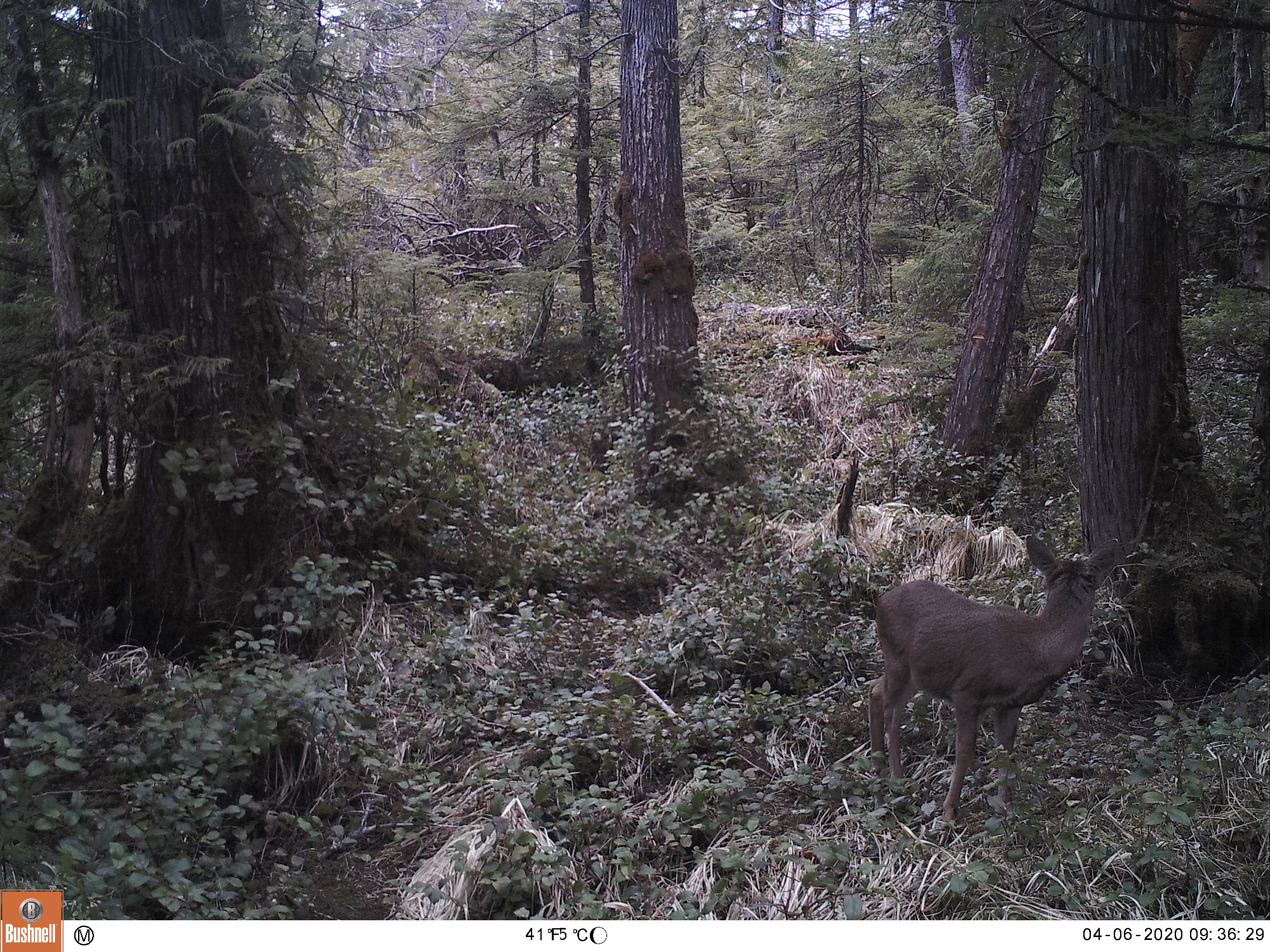
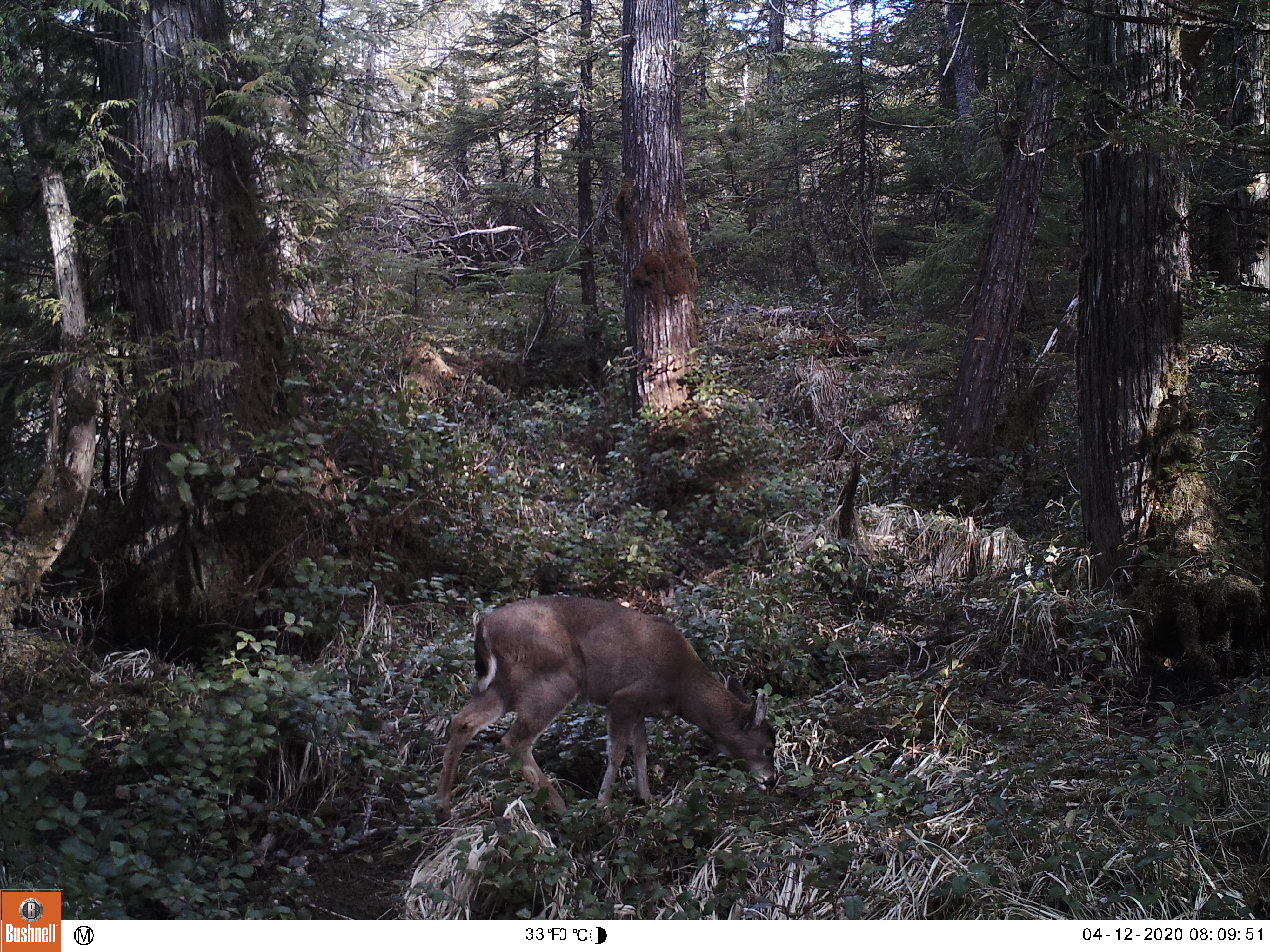
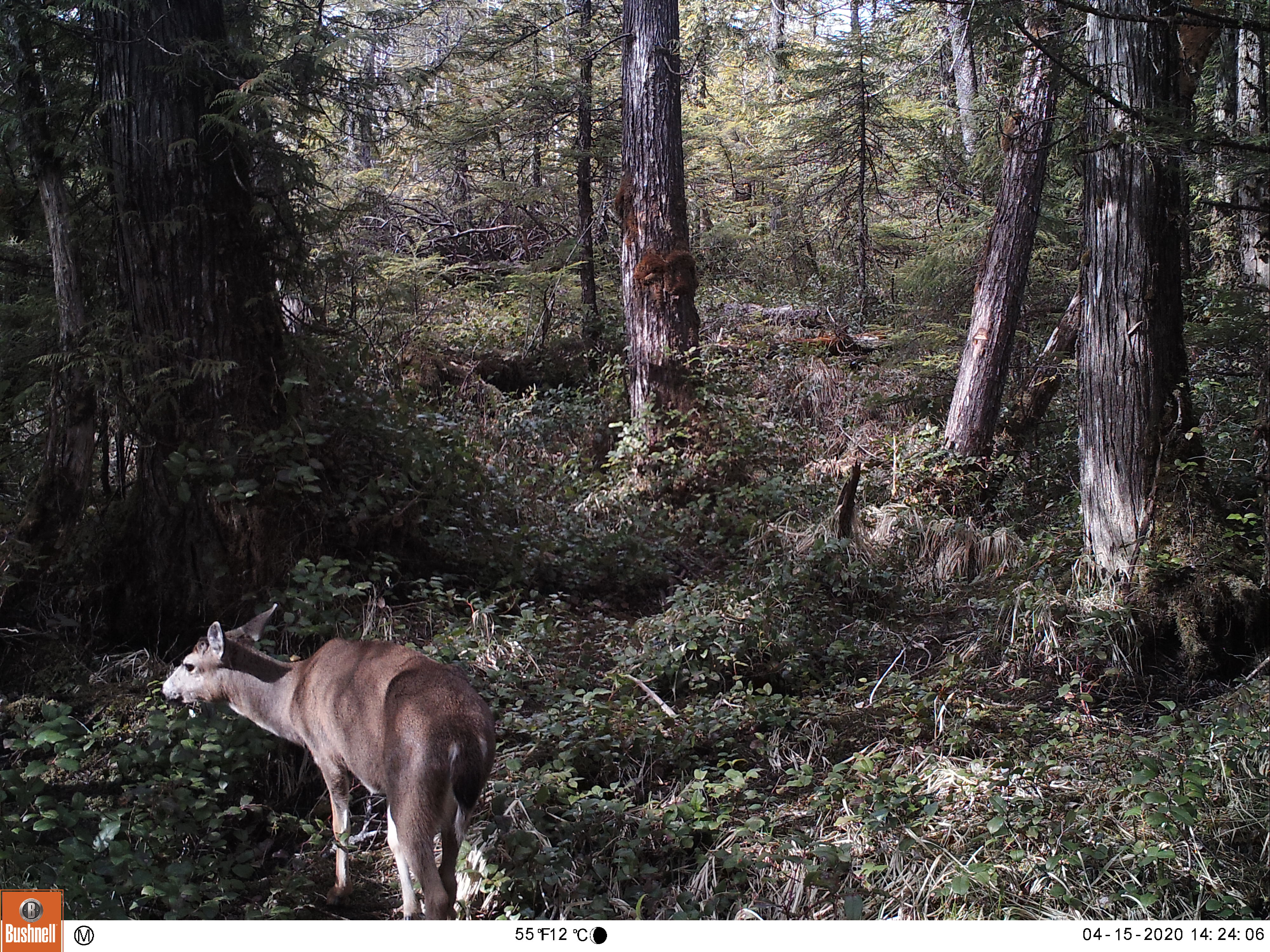
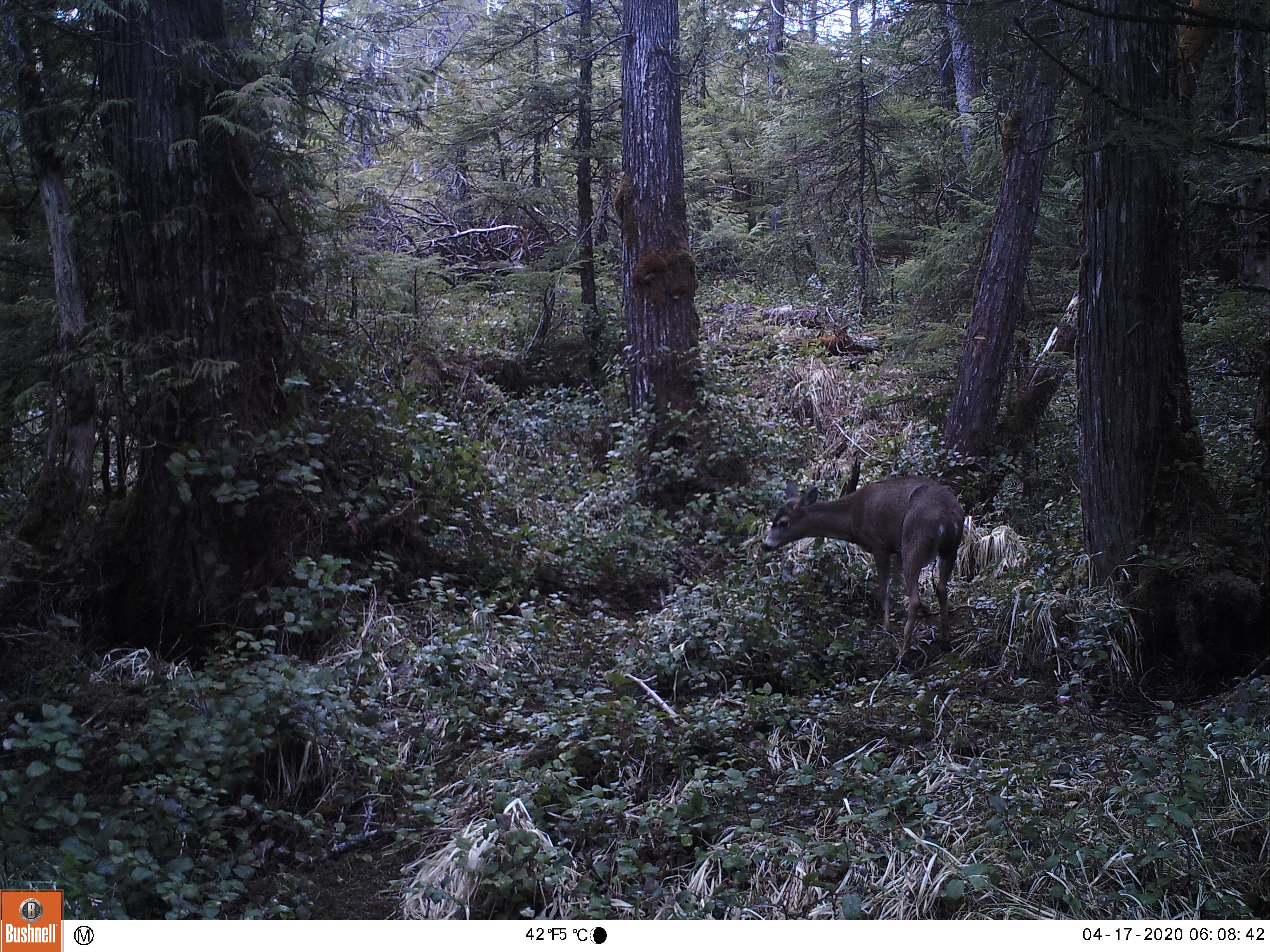
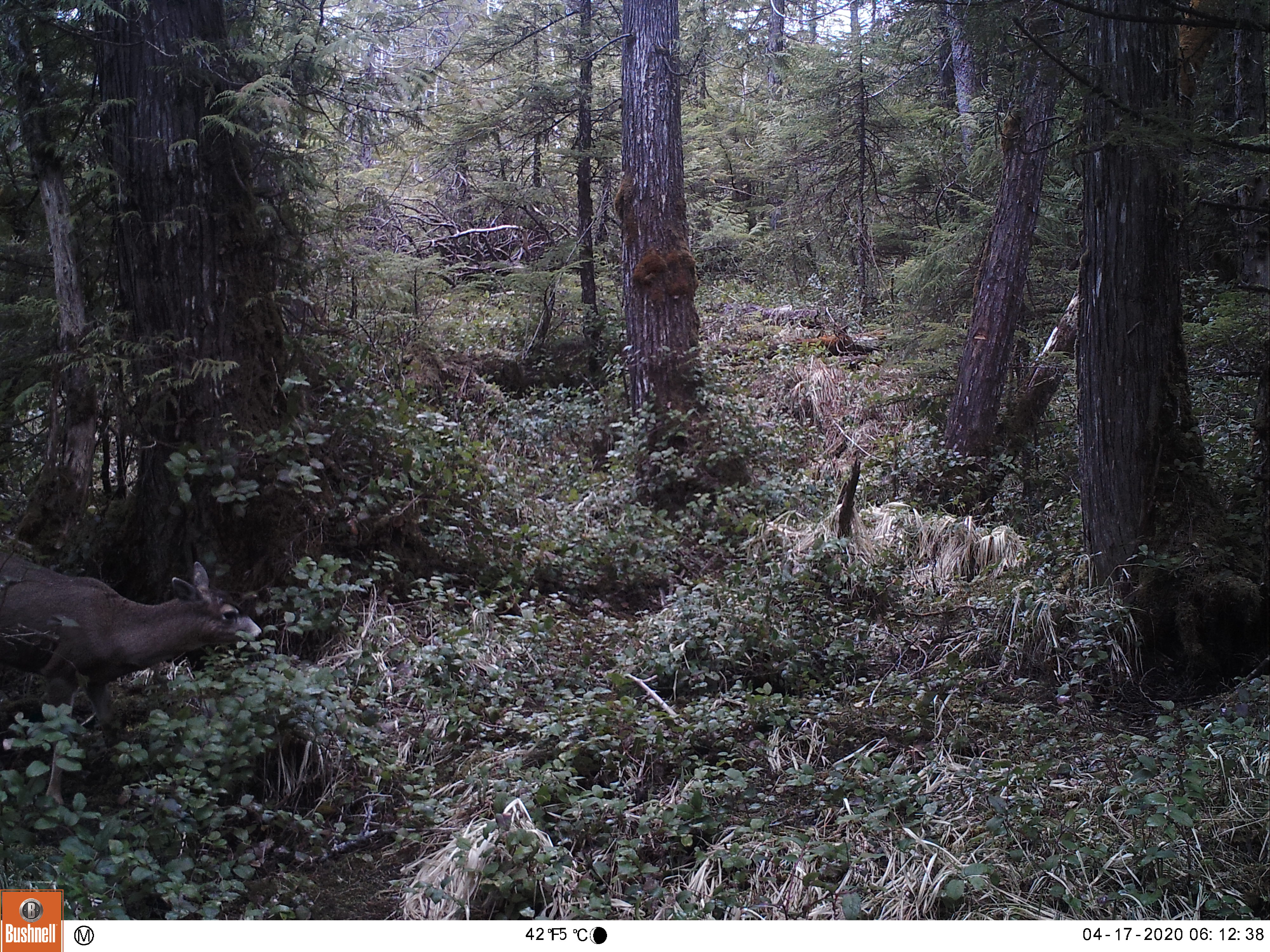
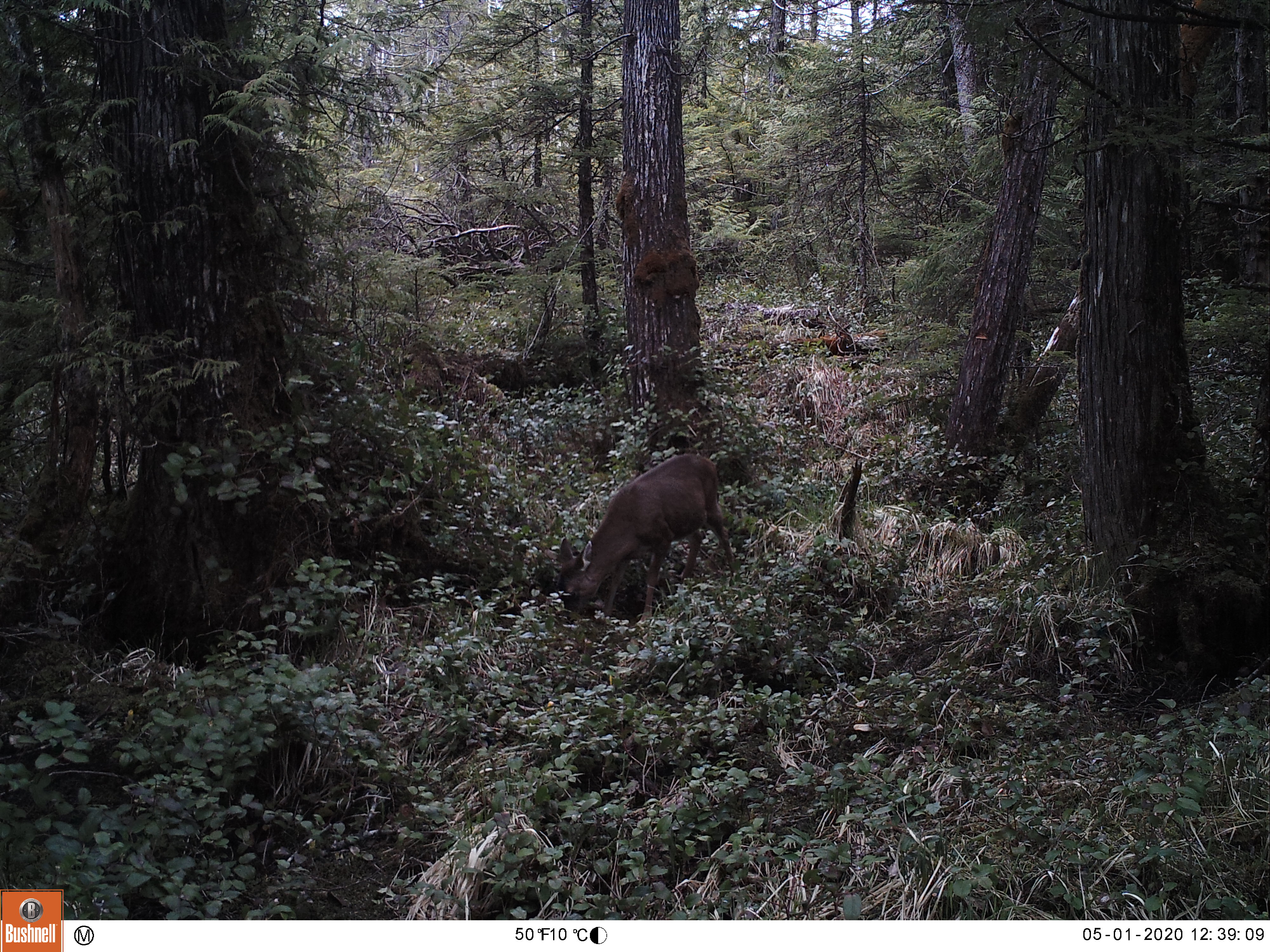
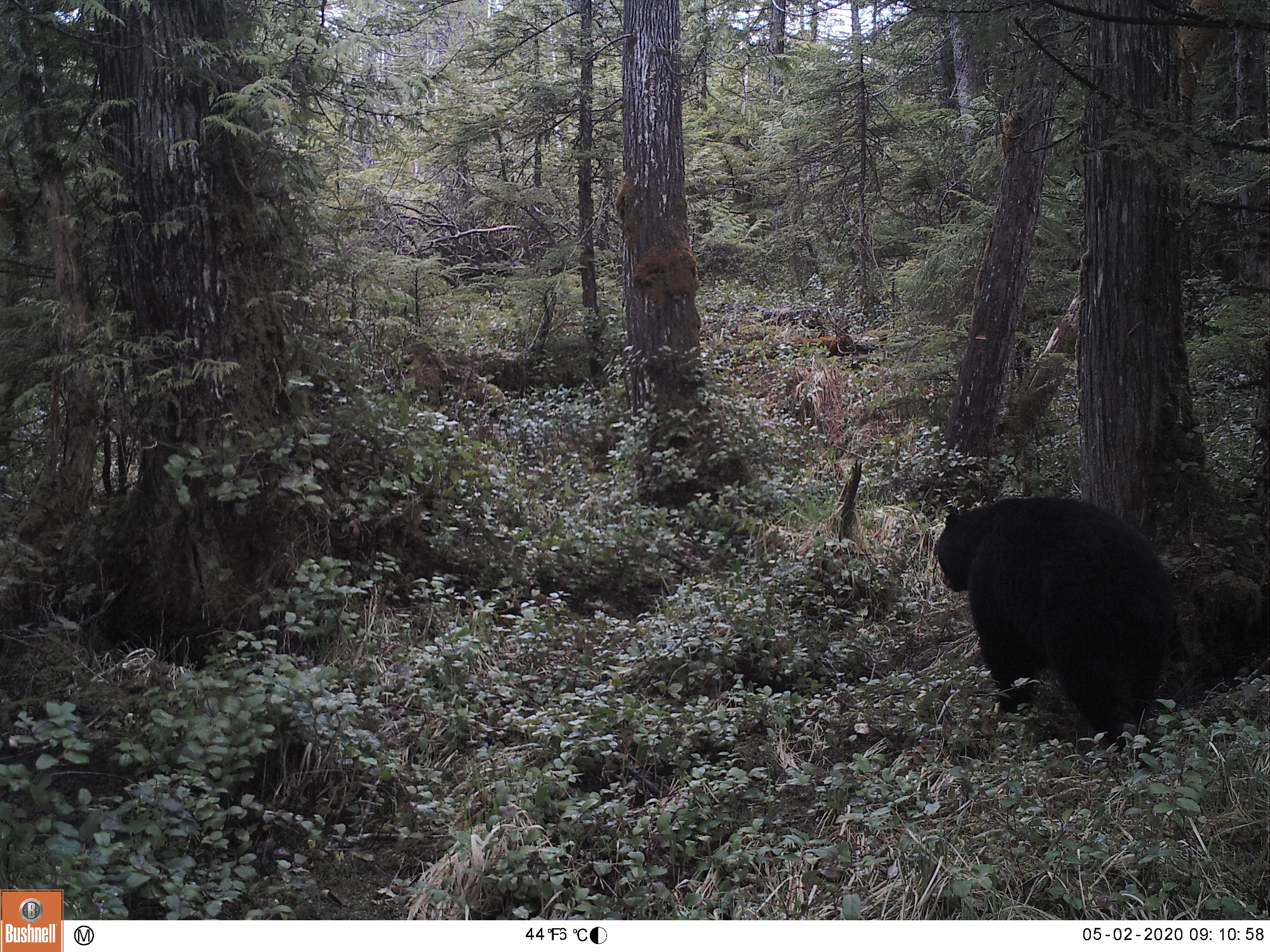
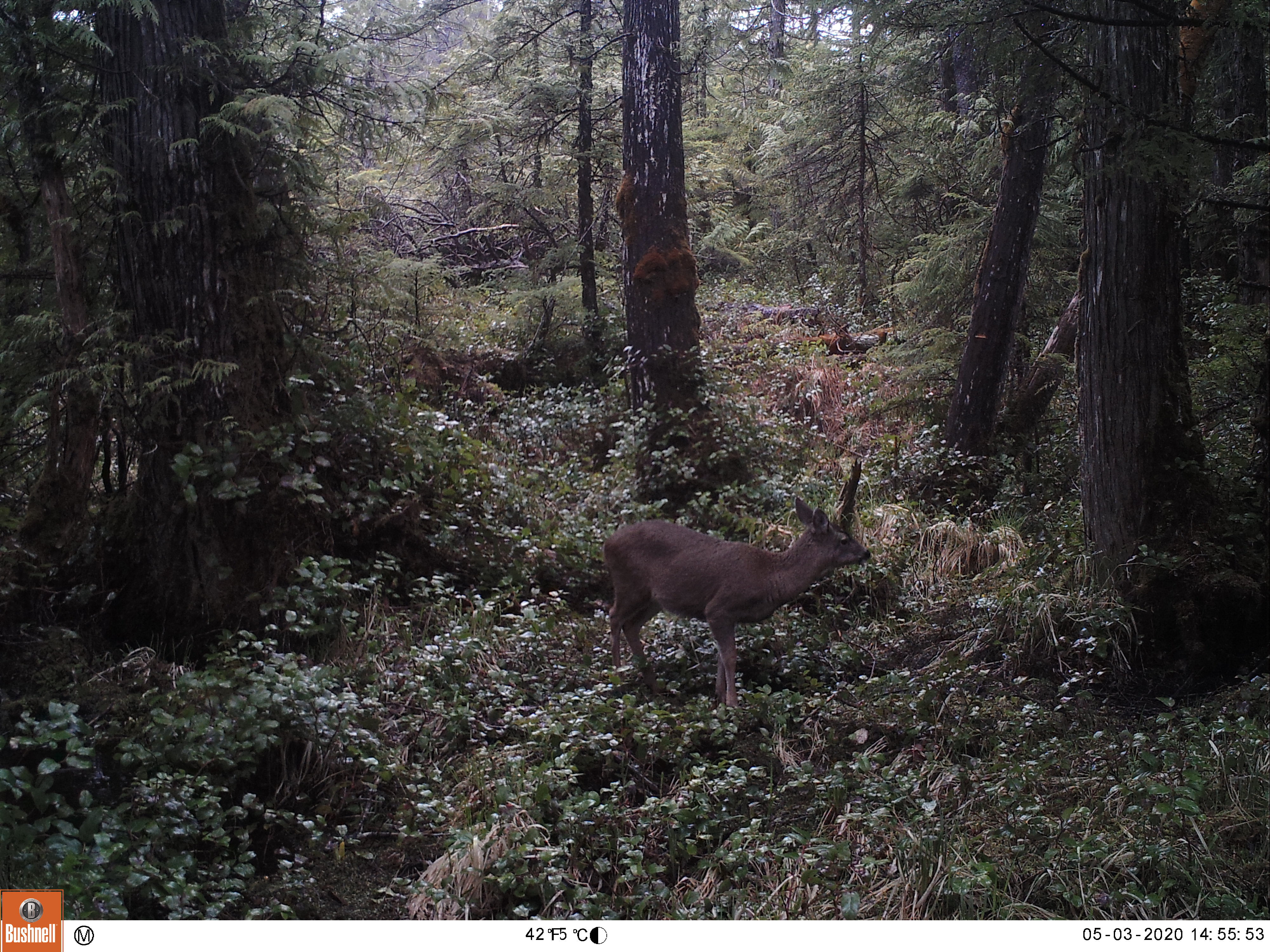
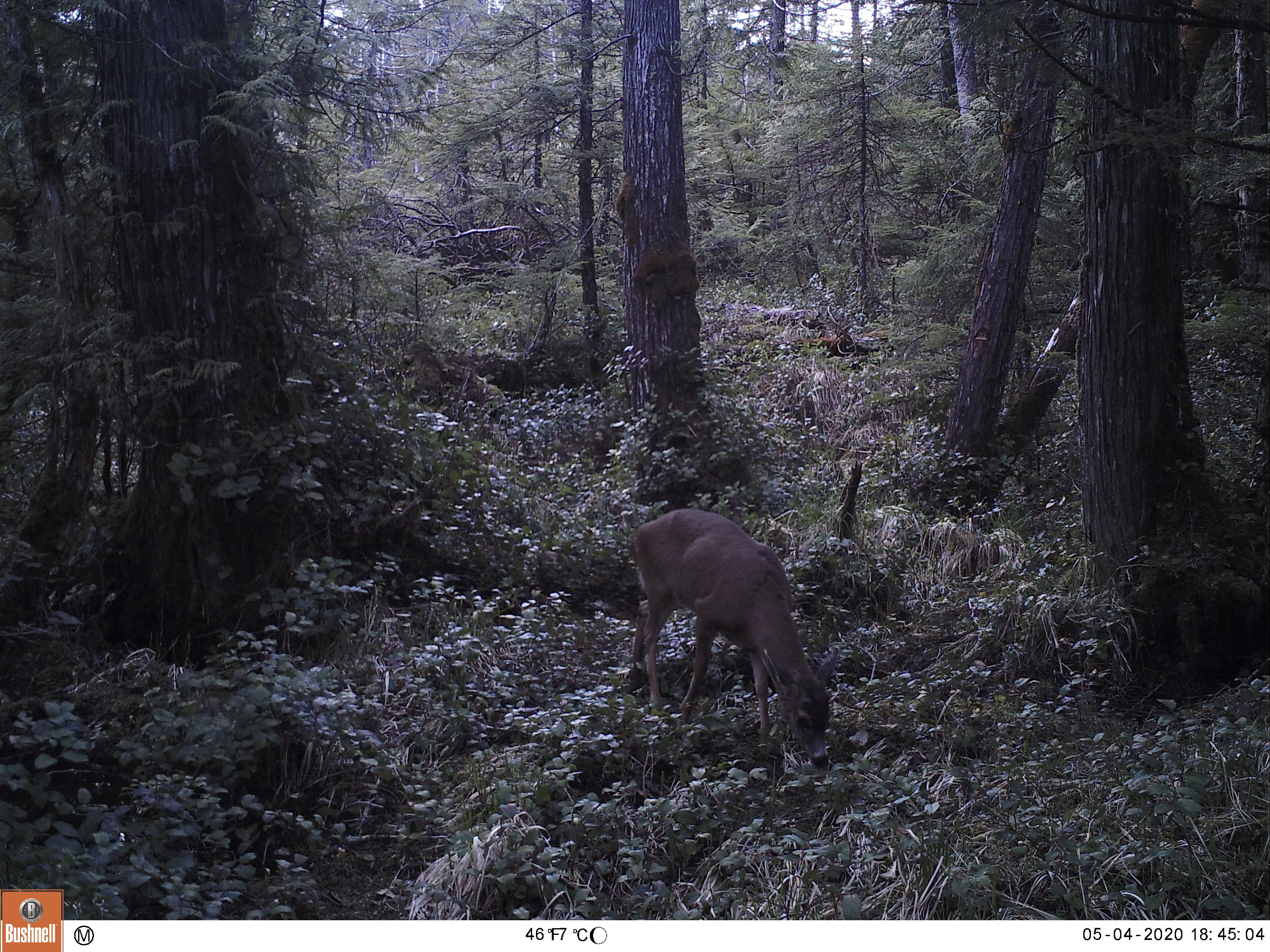
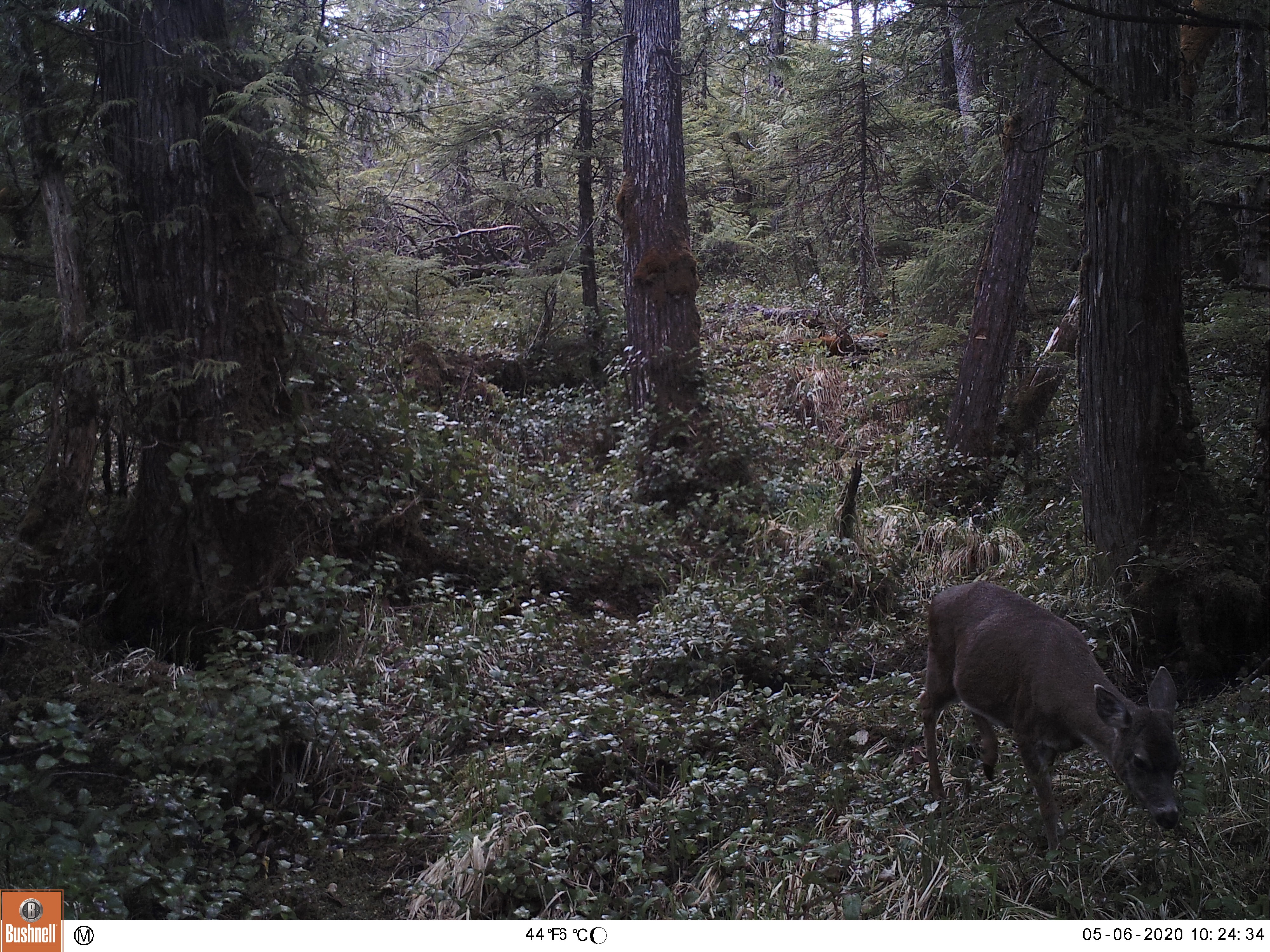
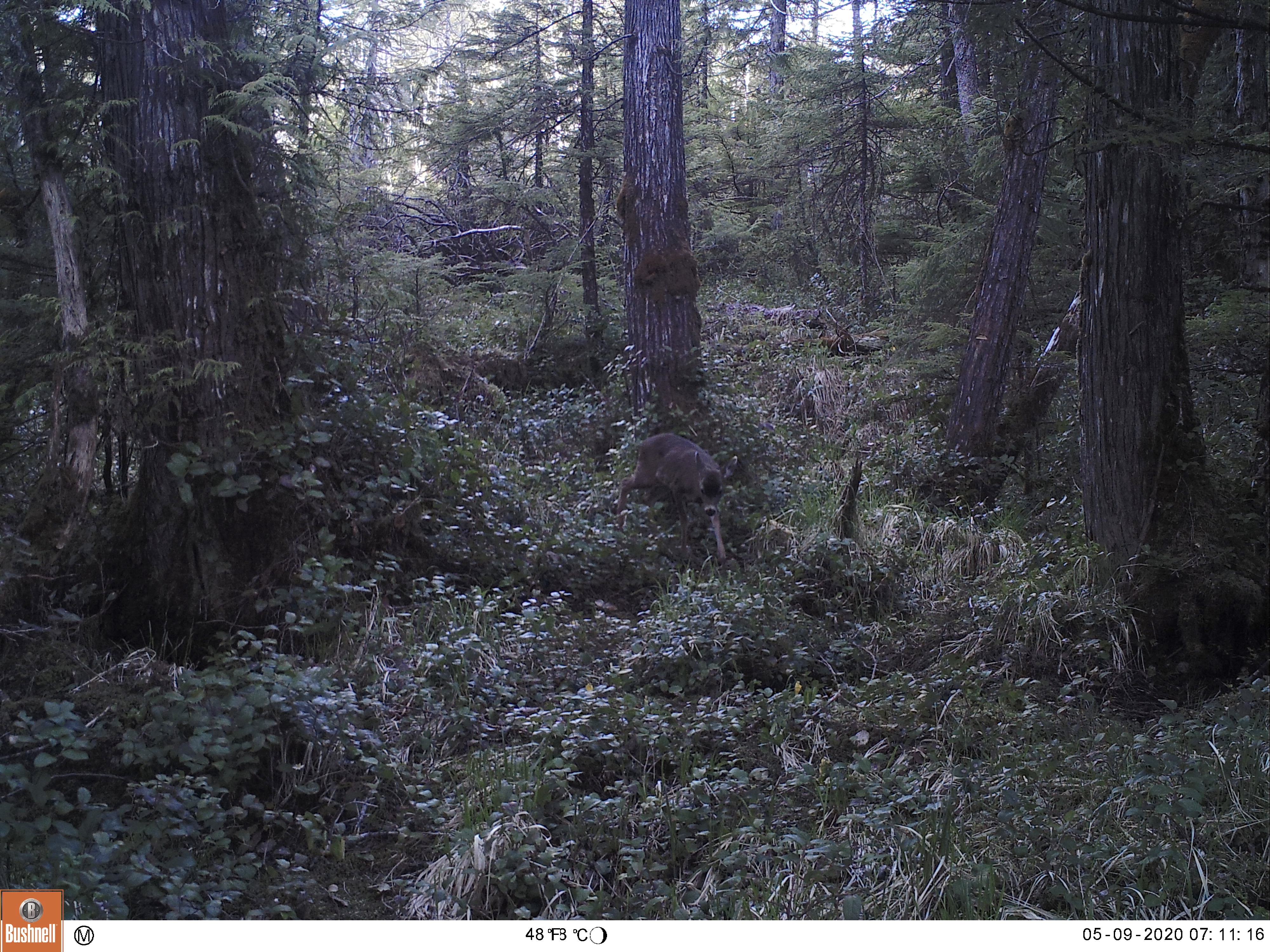
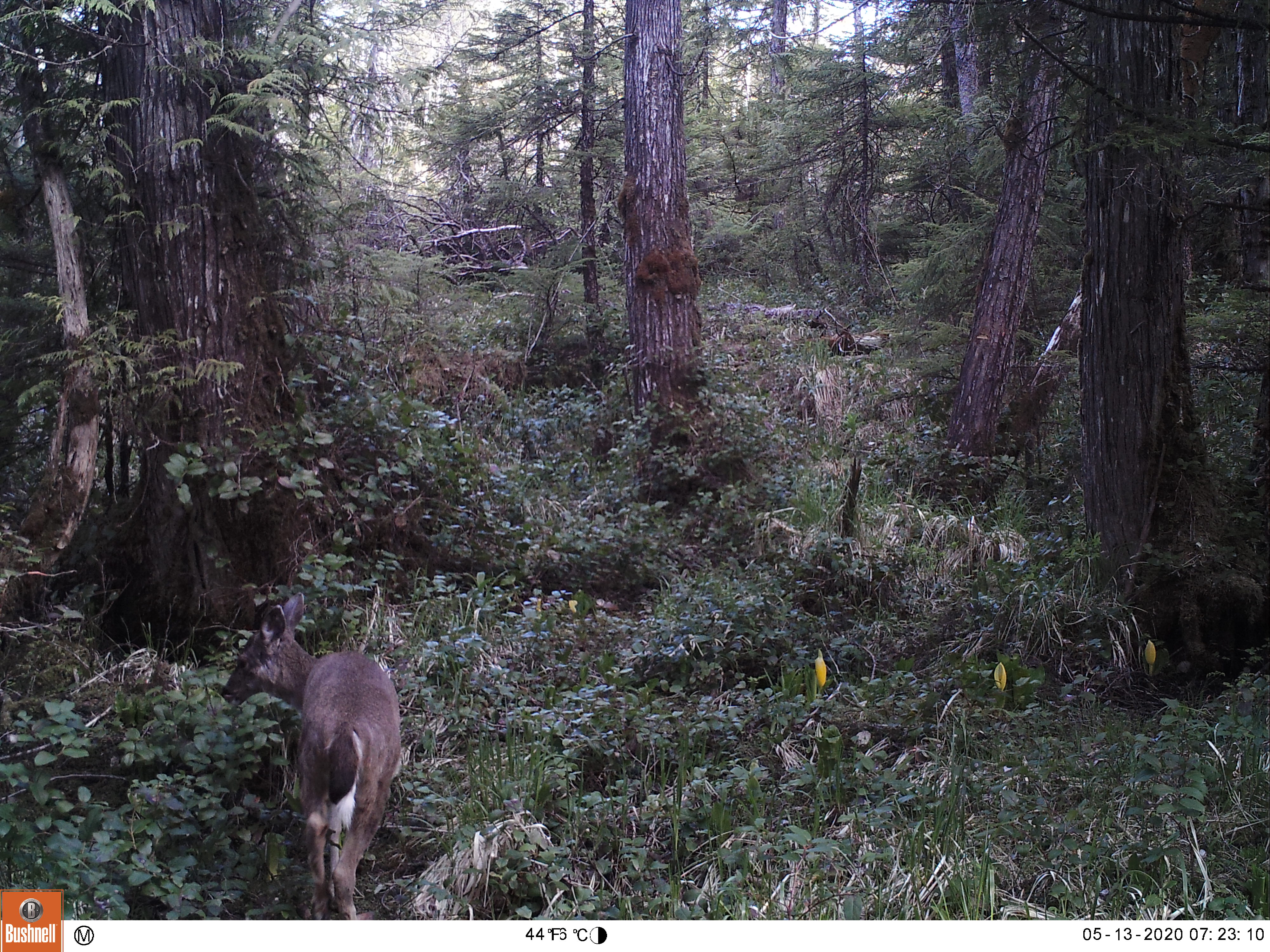
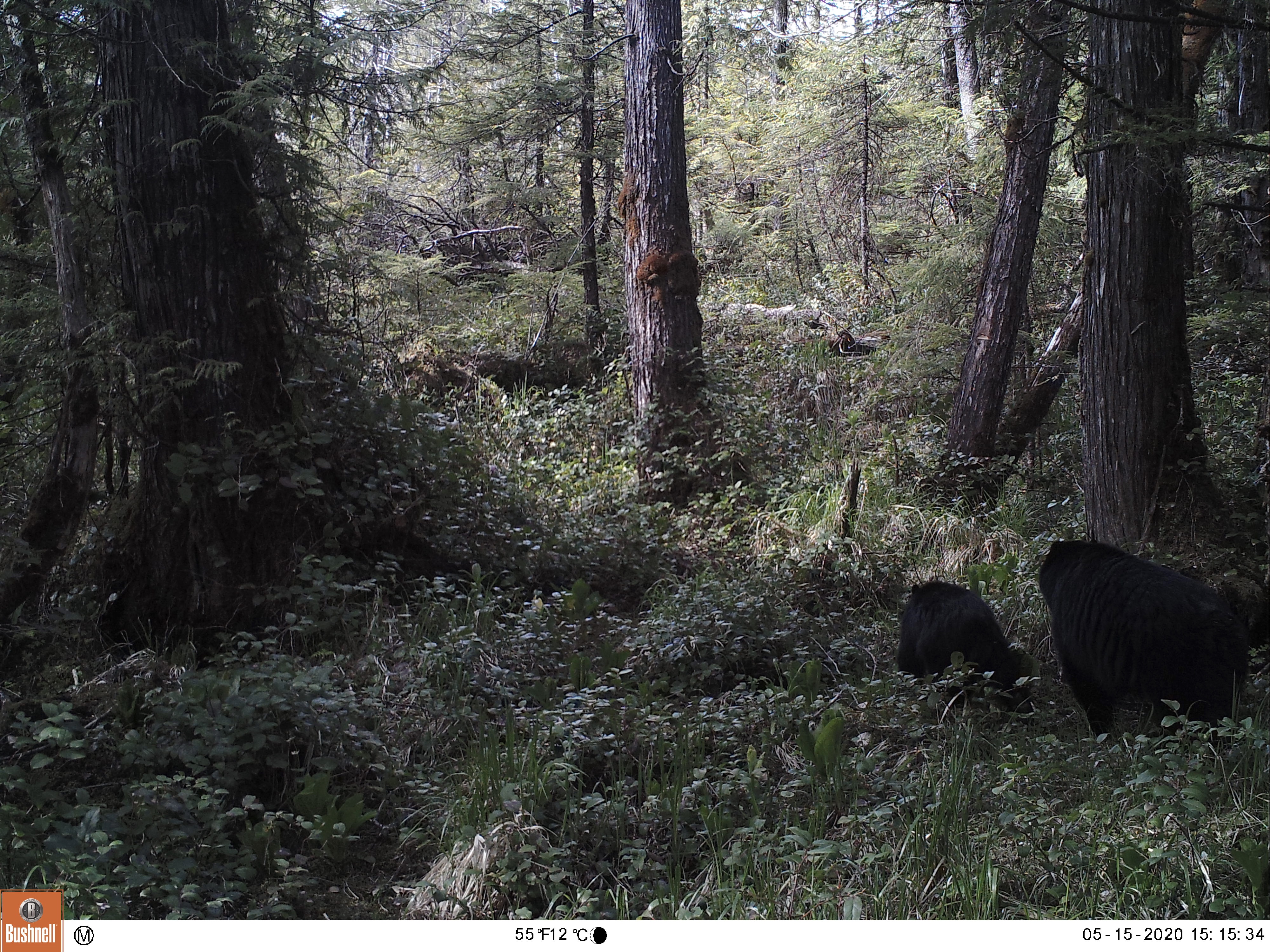
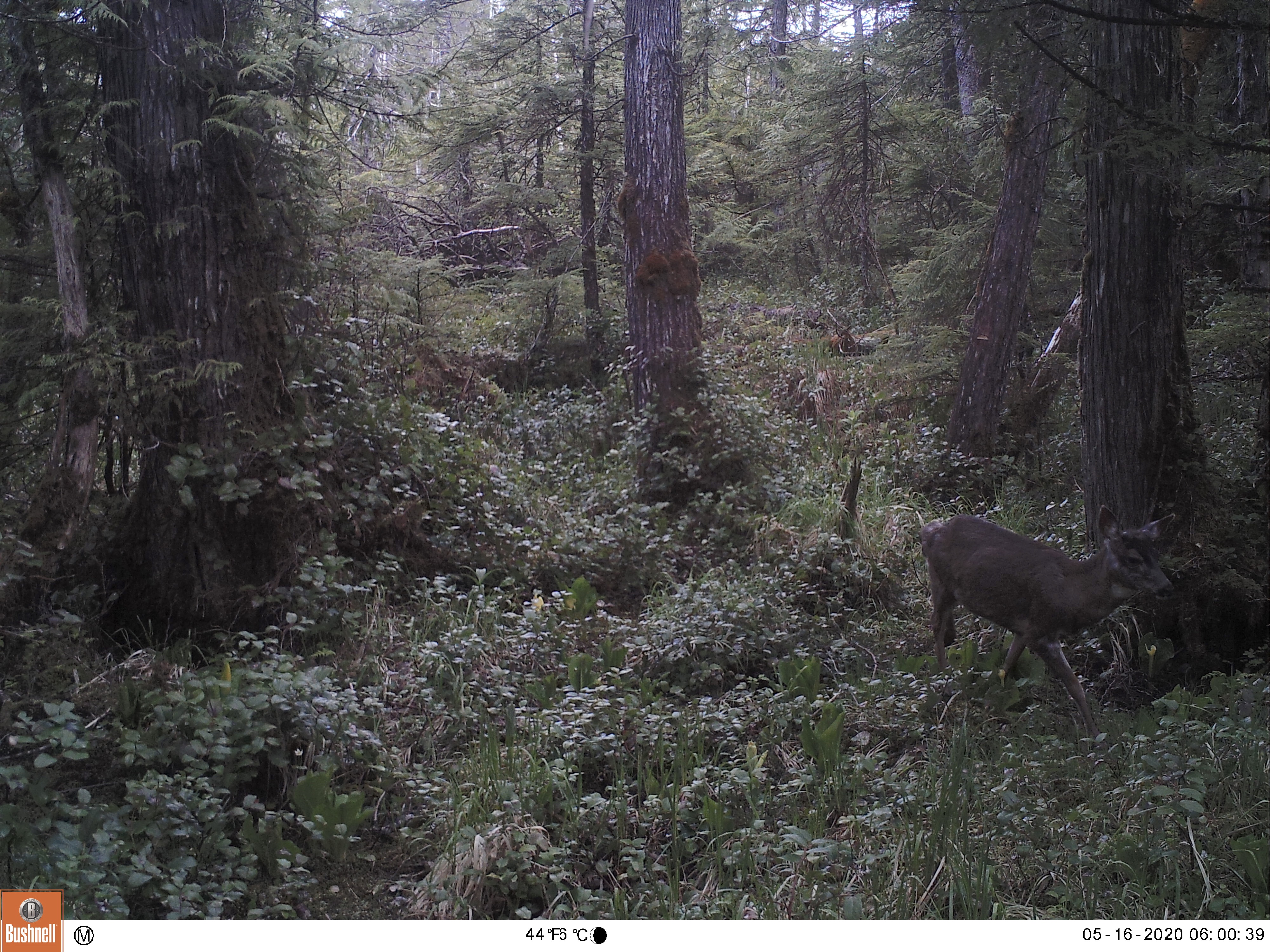
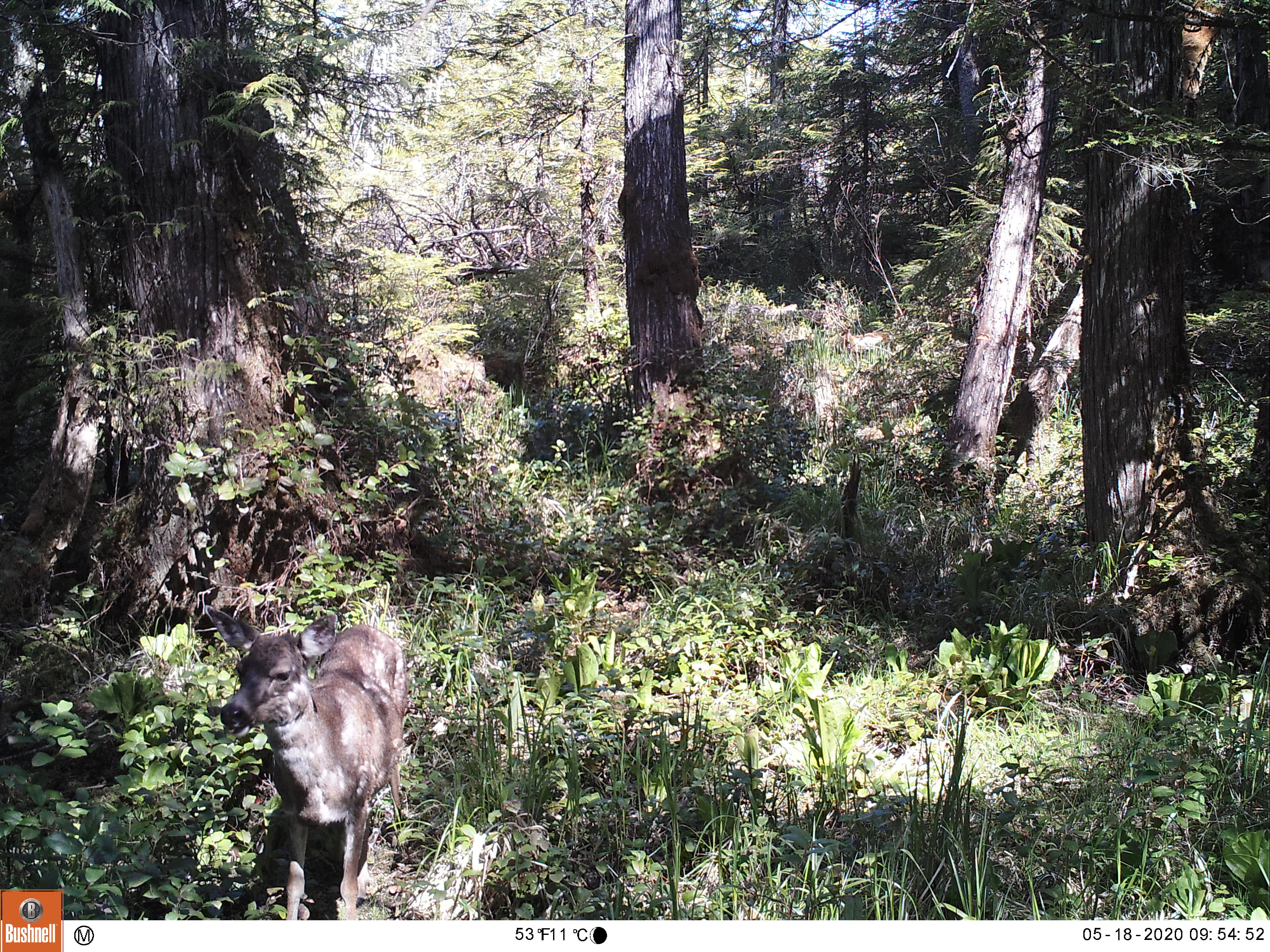
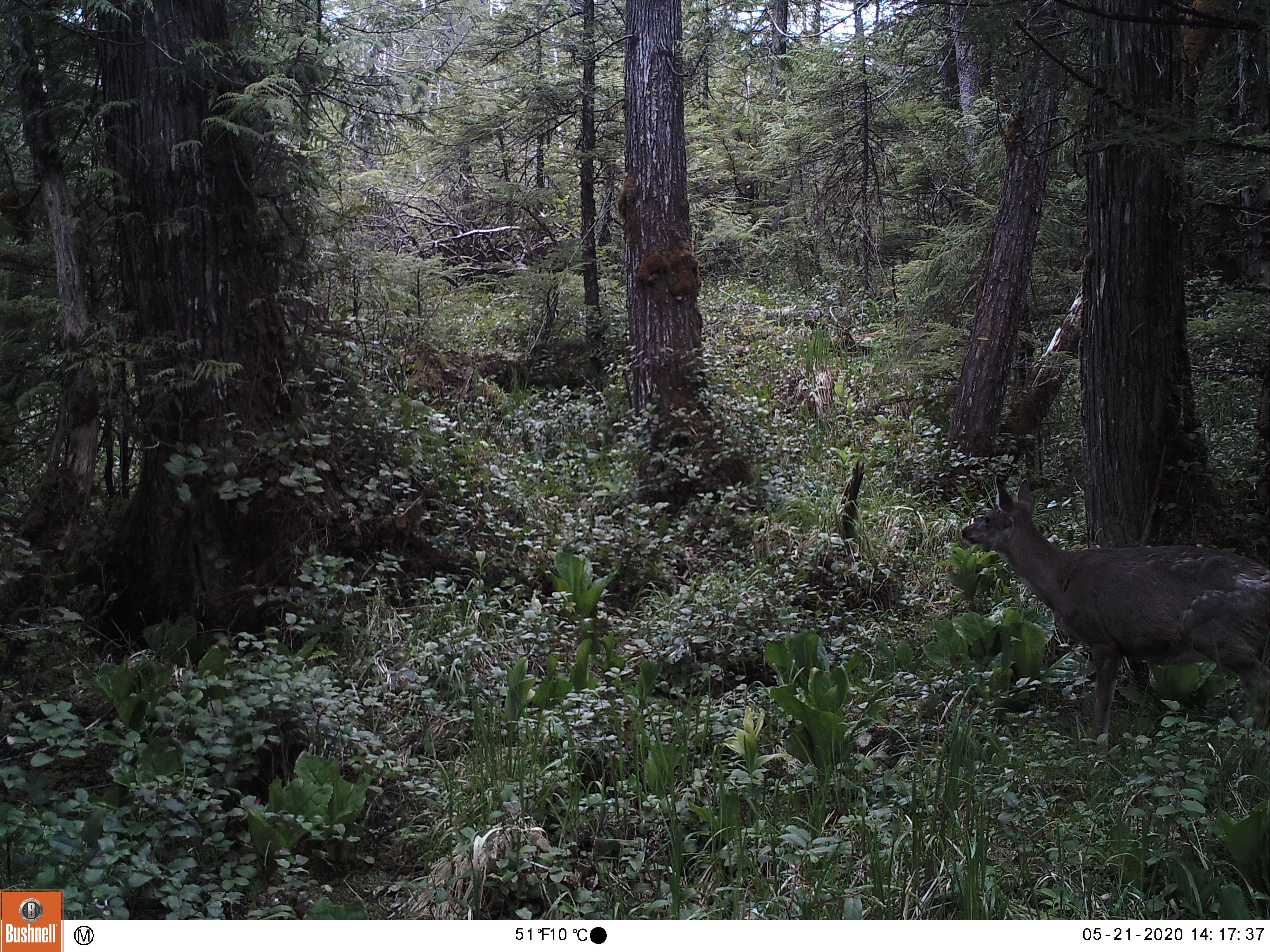
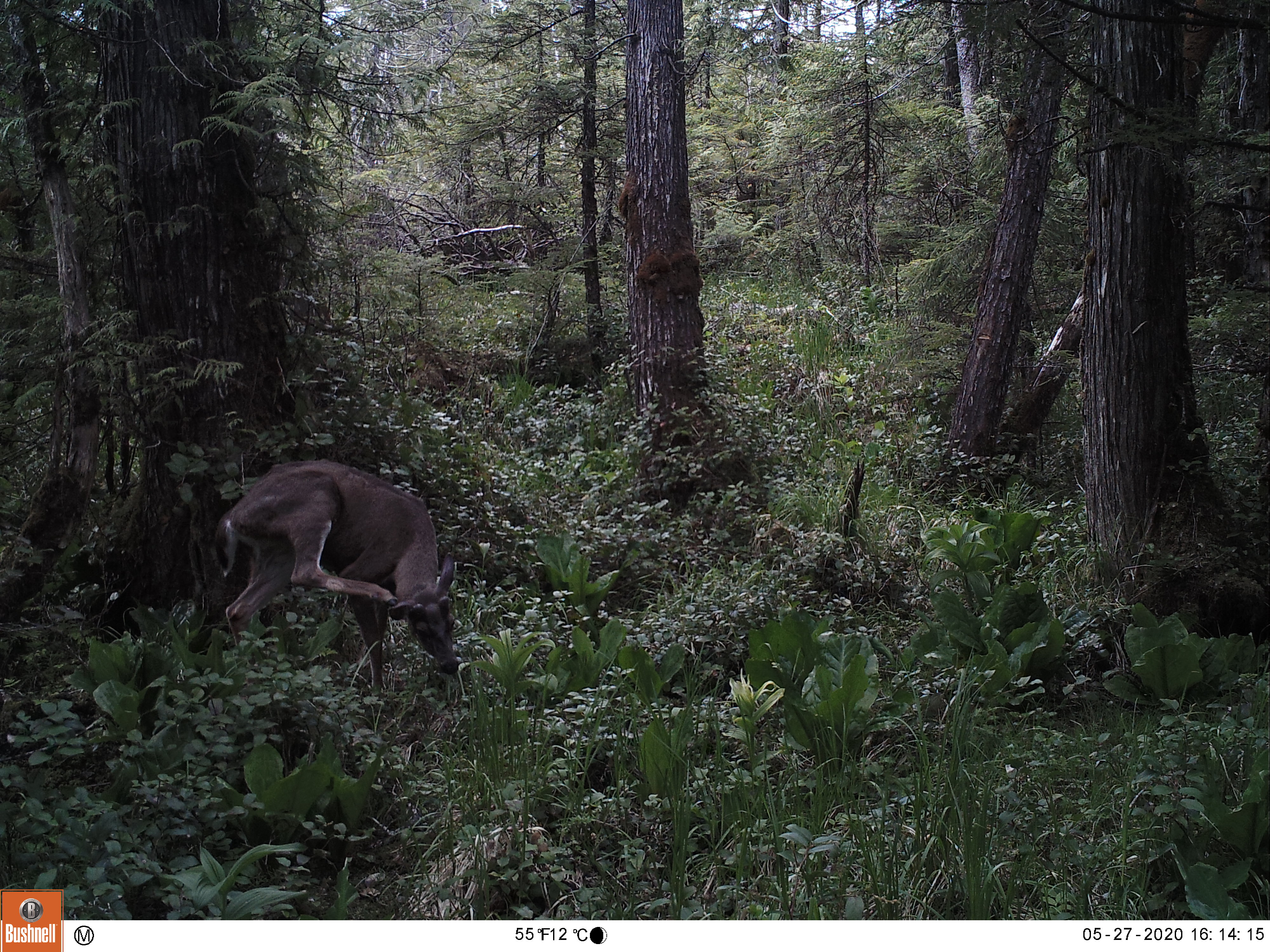
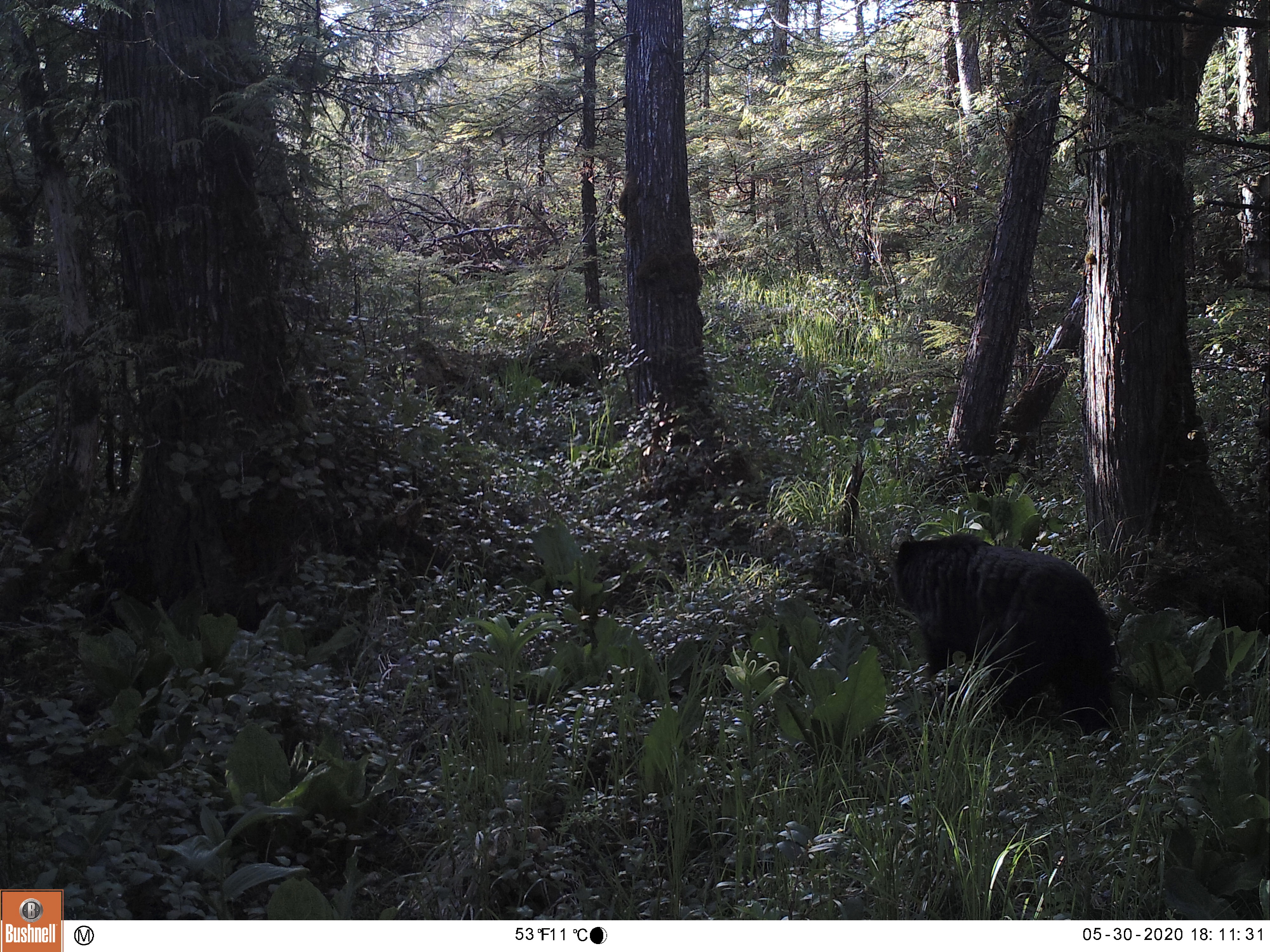
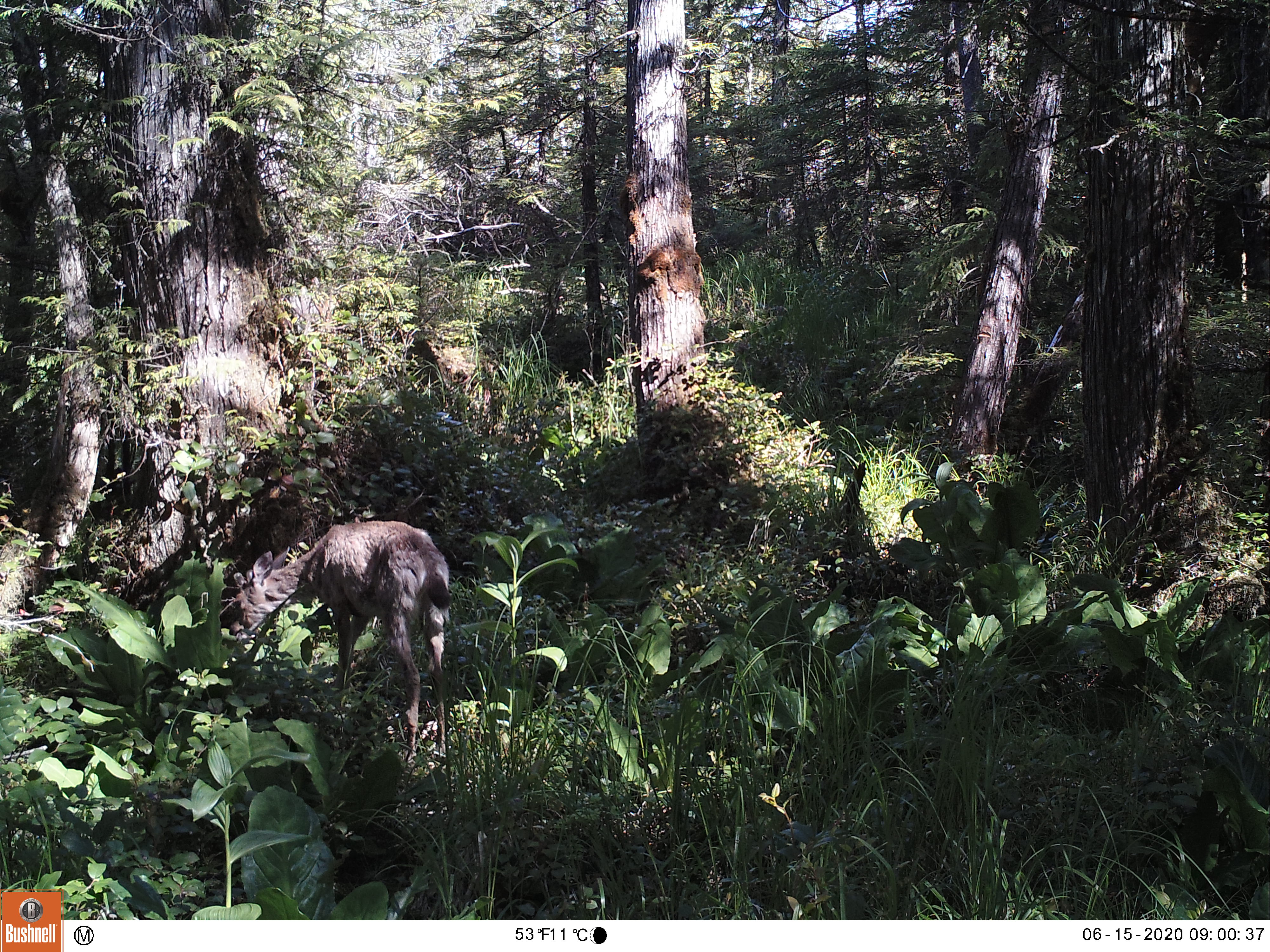
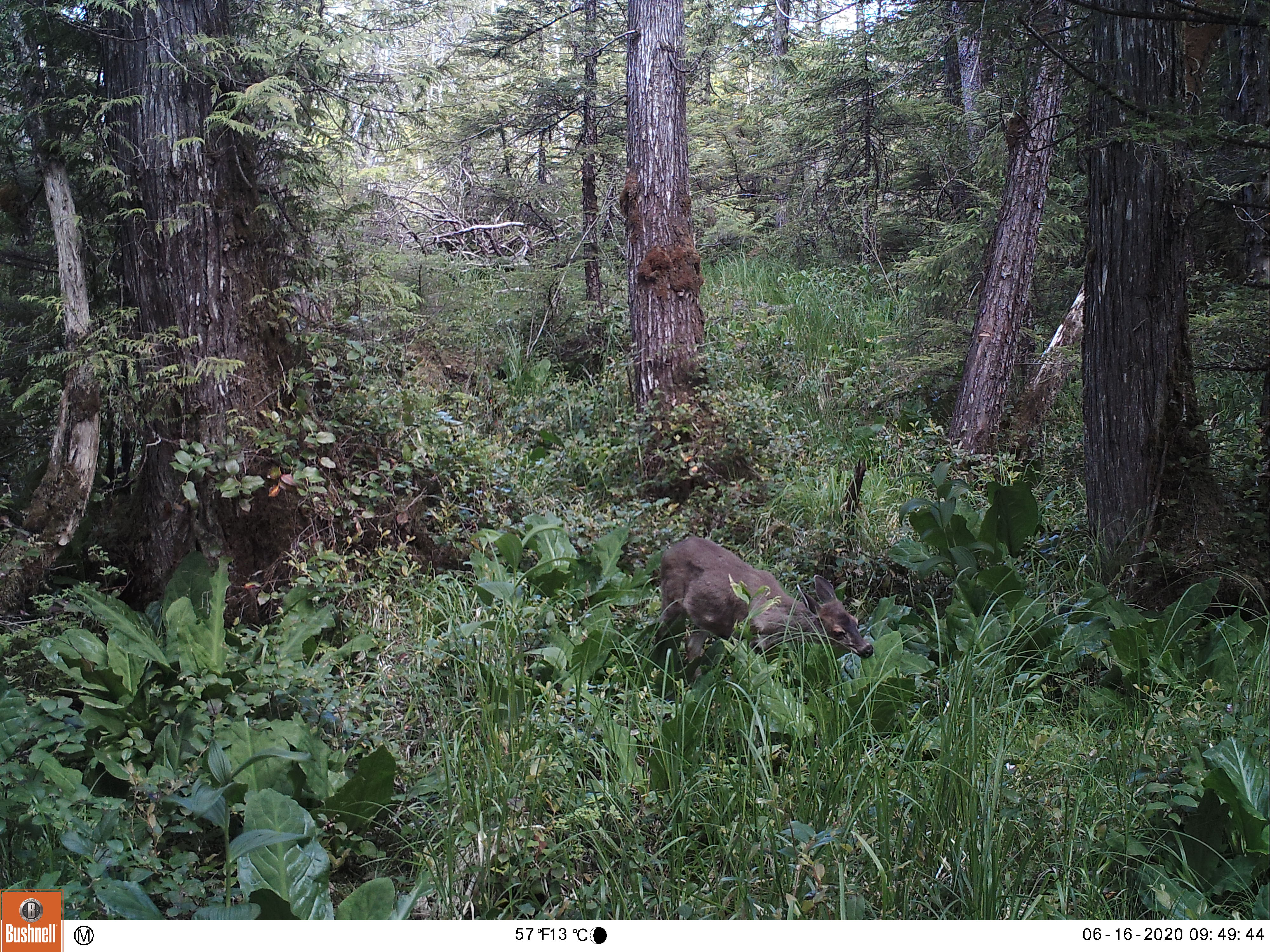
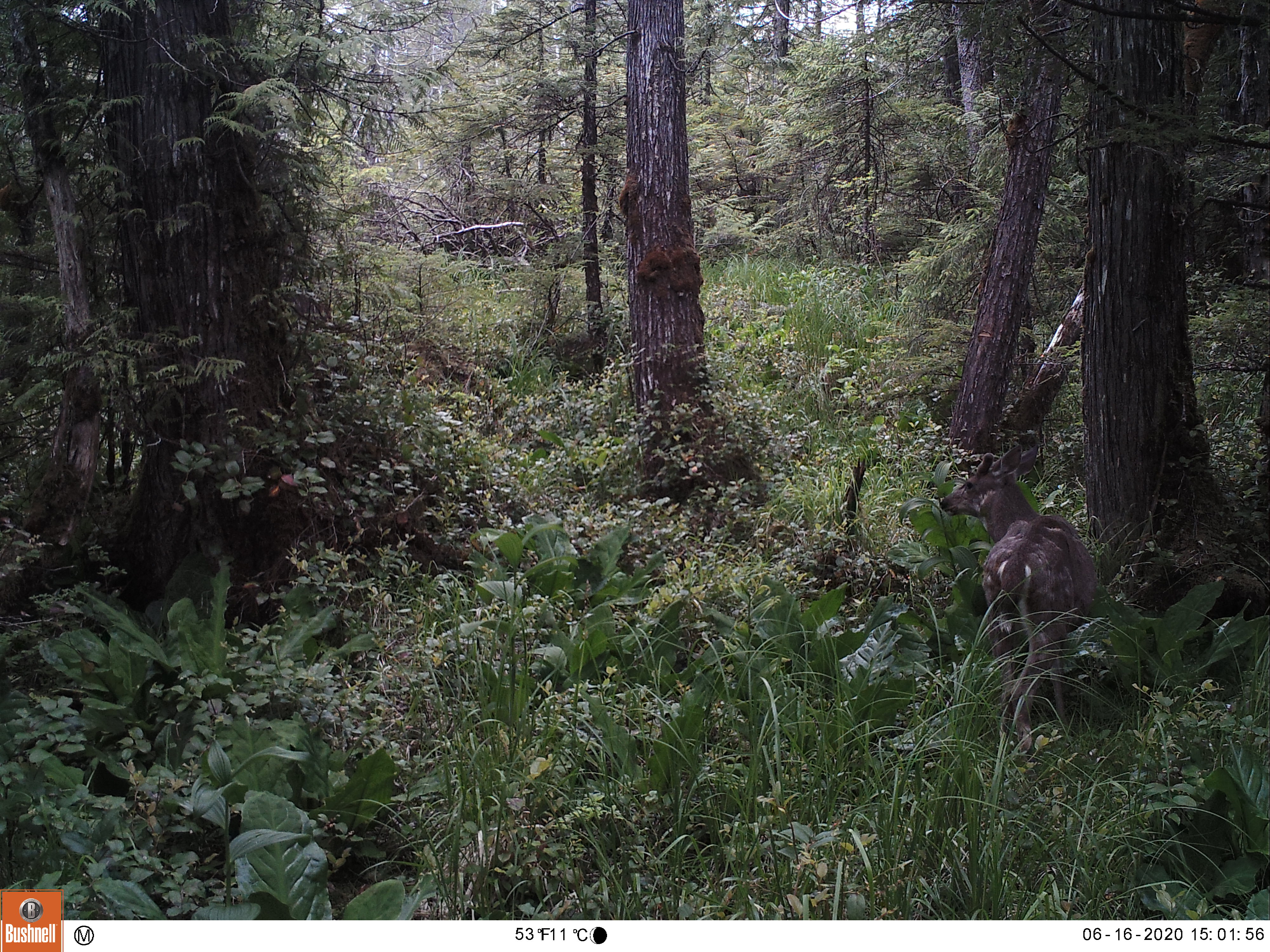
This spot didn’t get a lot of action, but I did catch some interesting deer behavior, plus a couple of nice bucks.
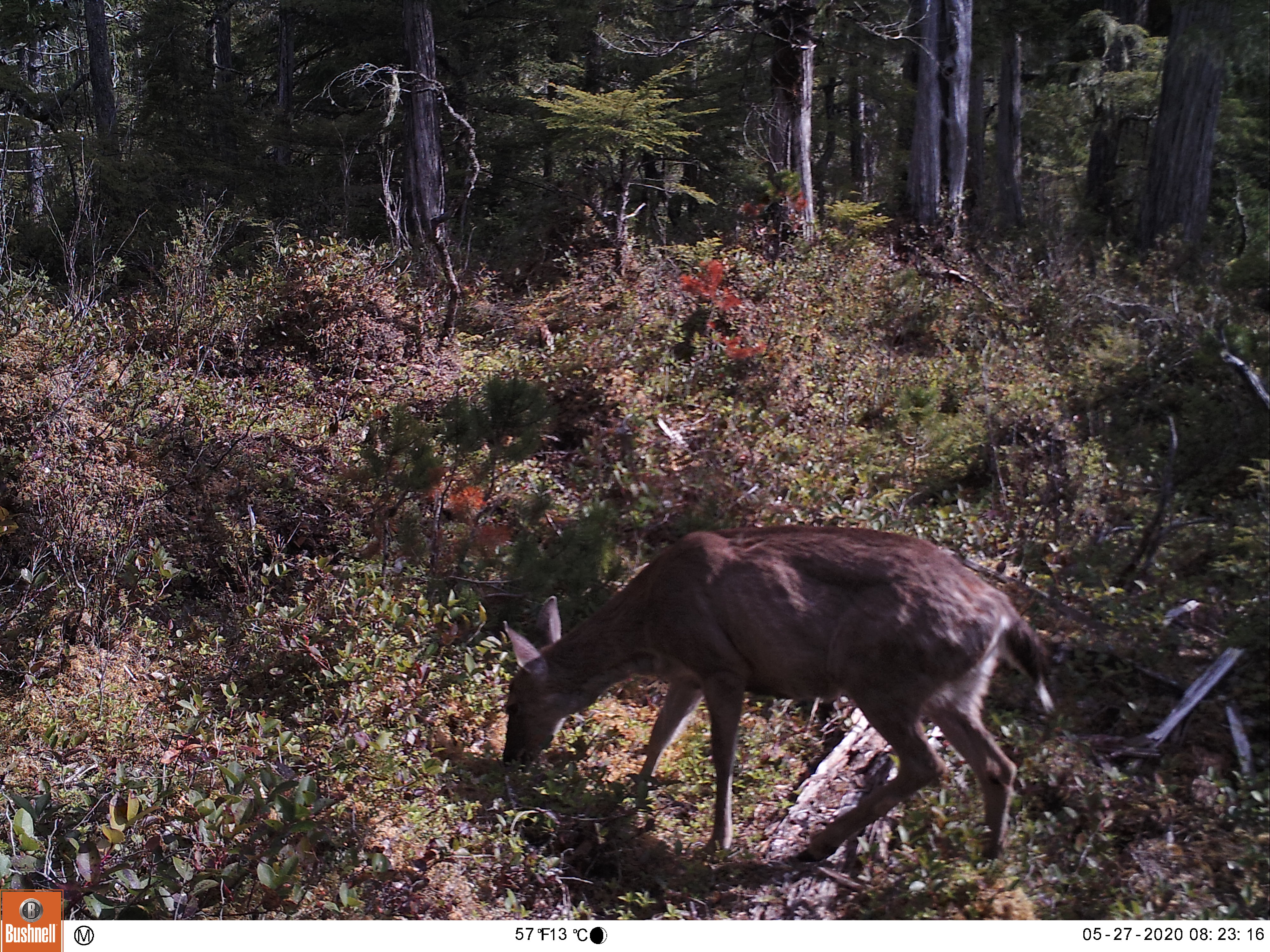


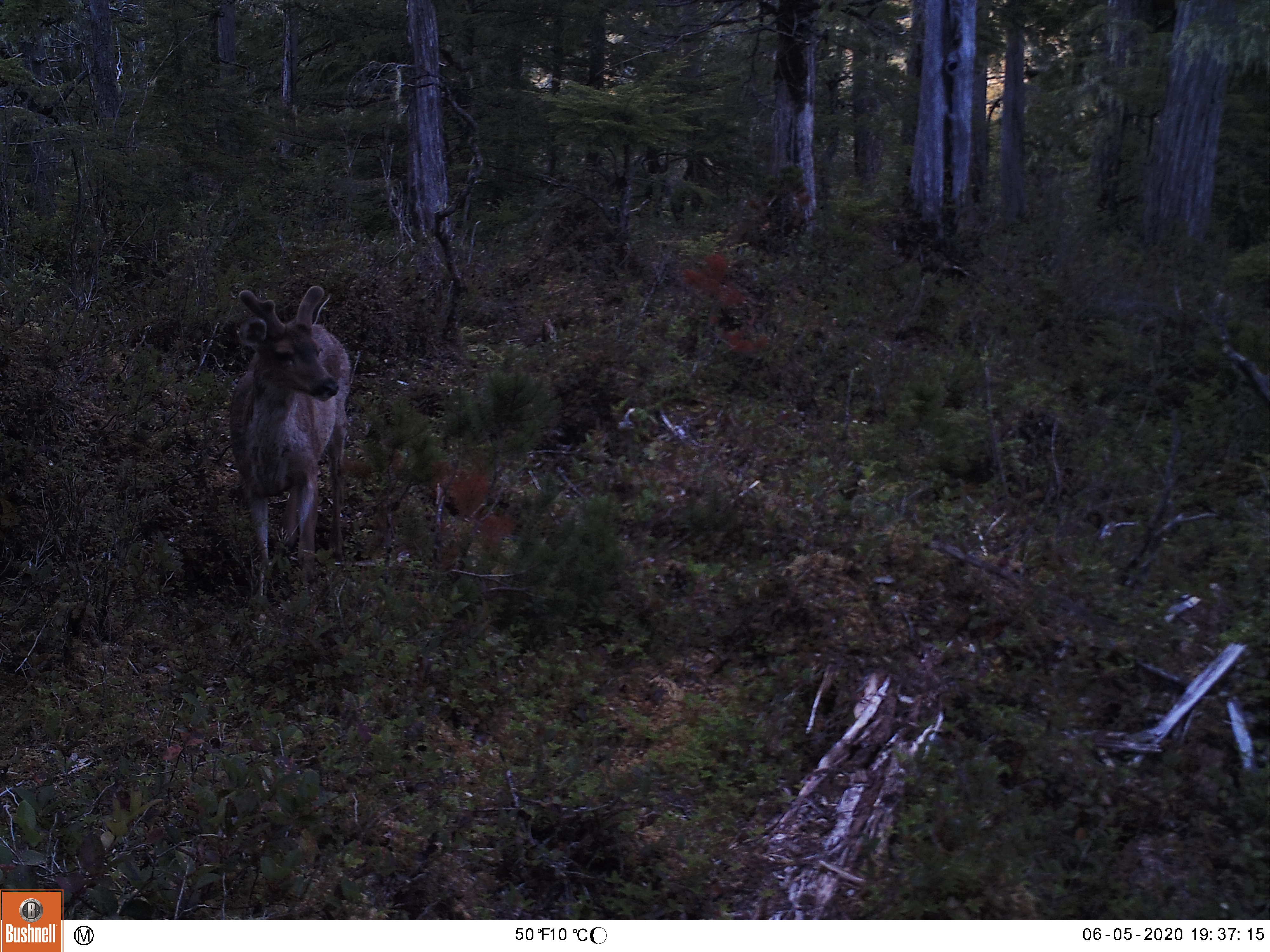


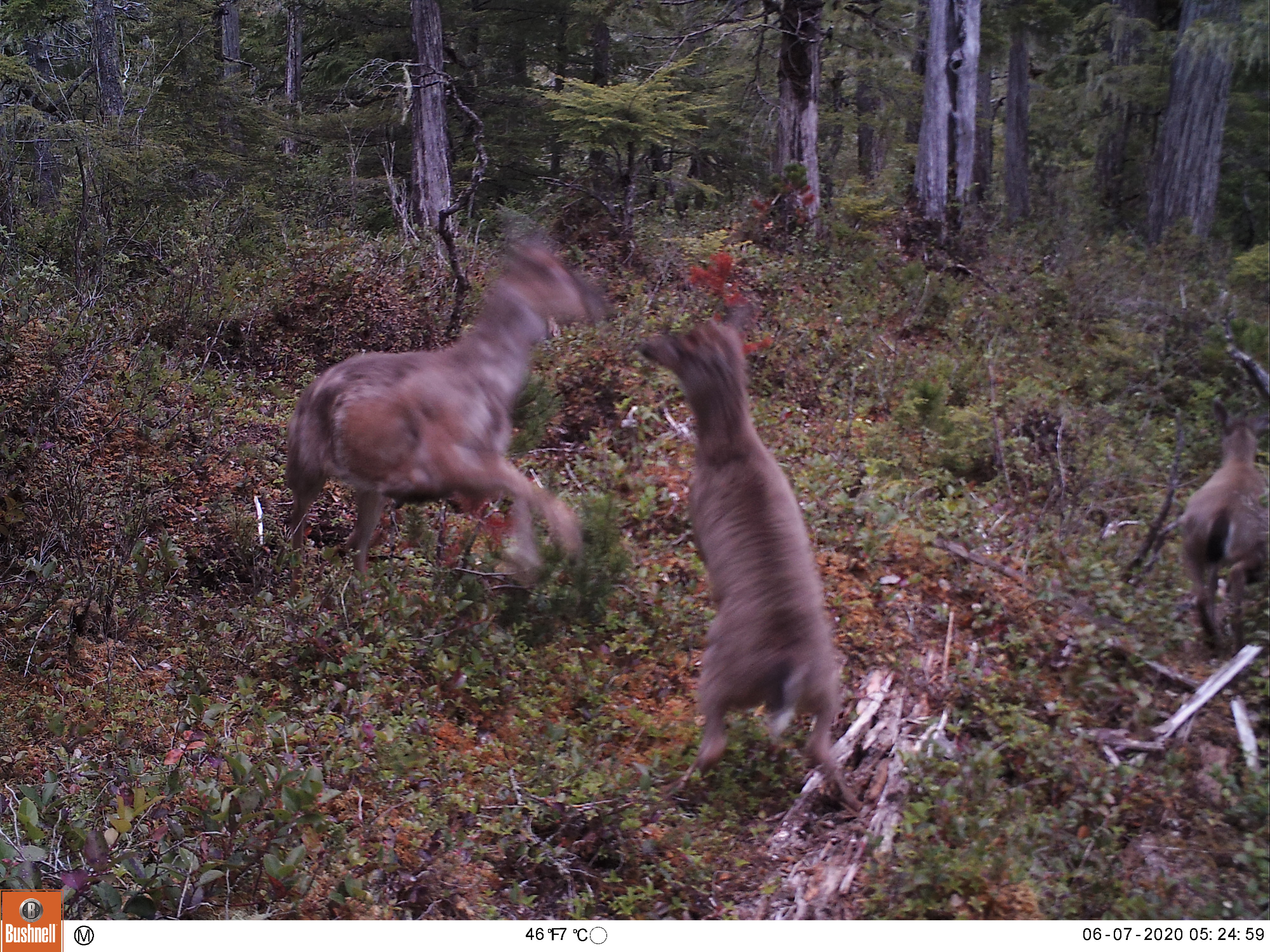
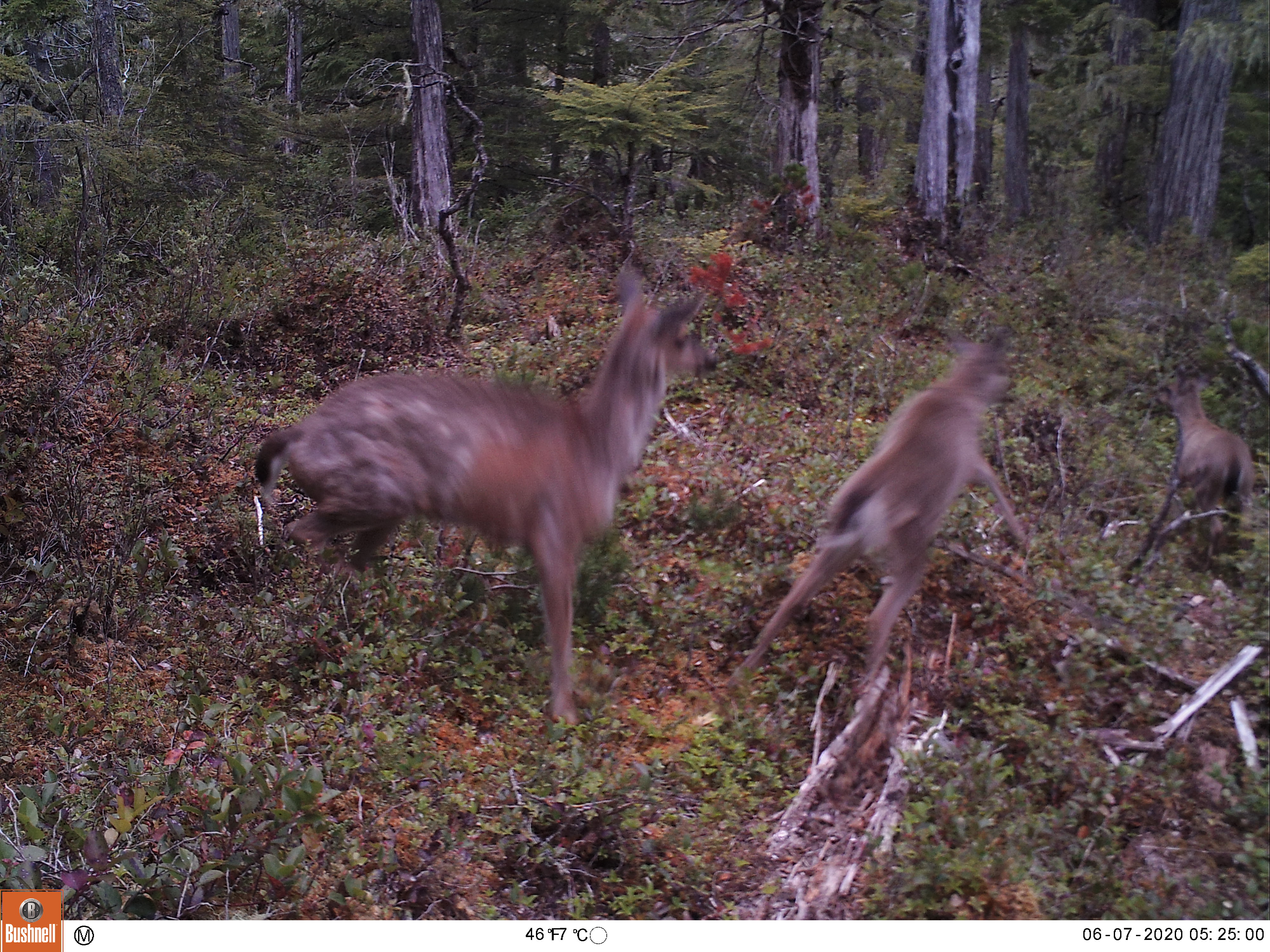
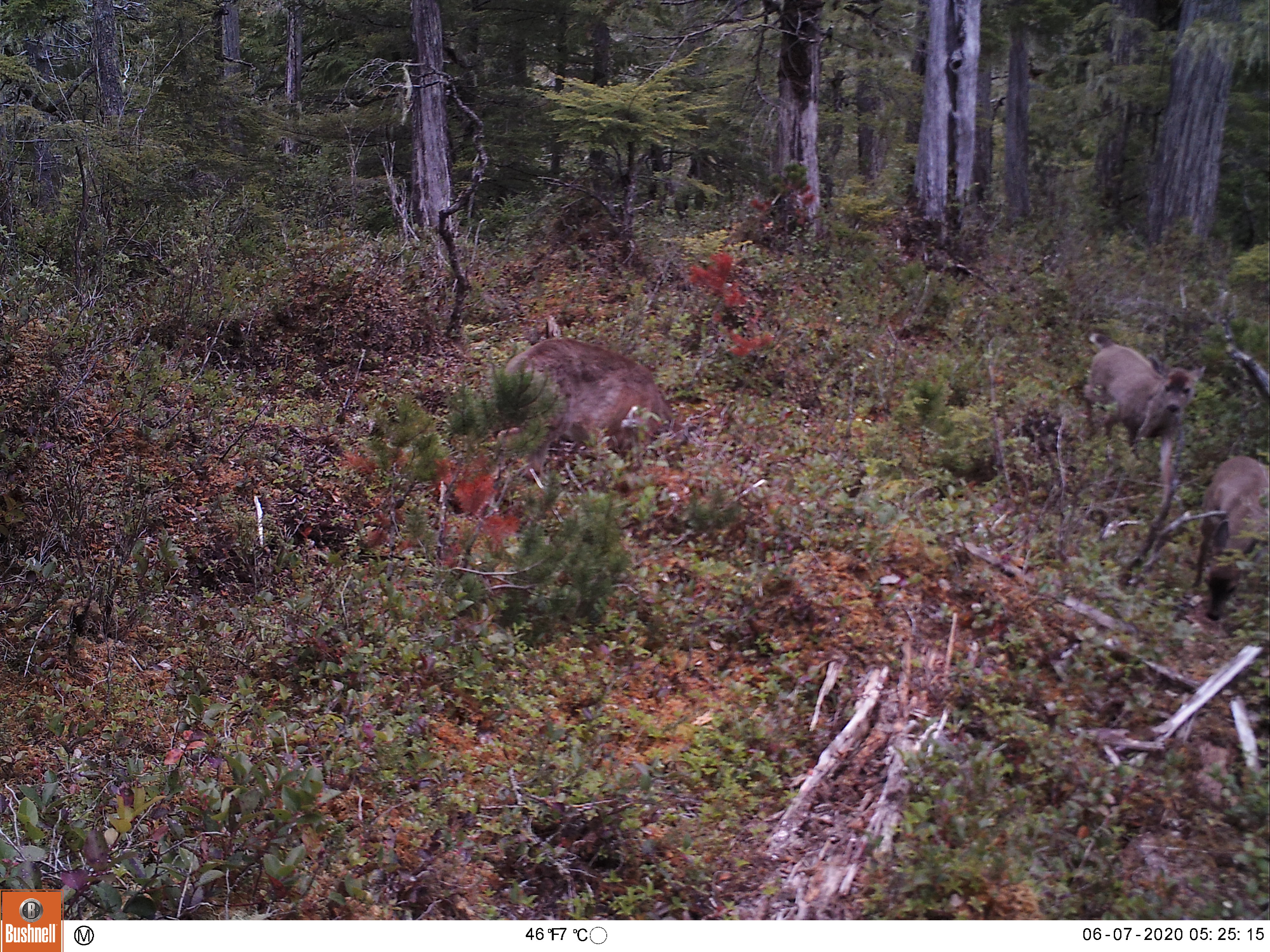
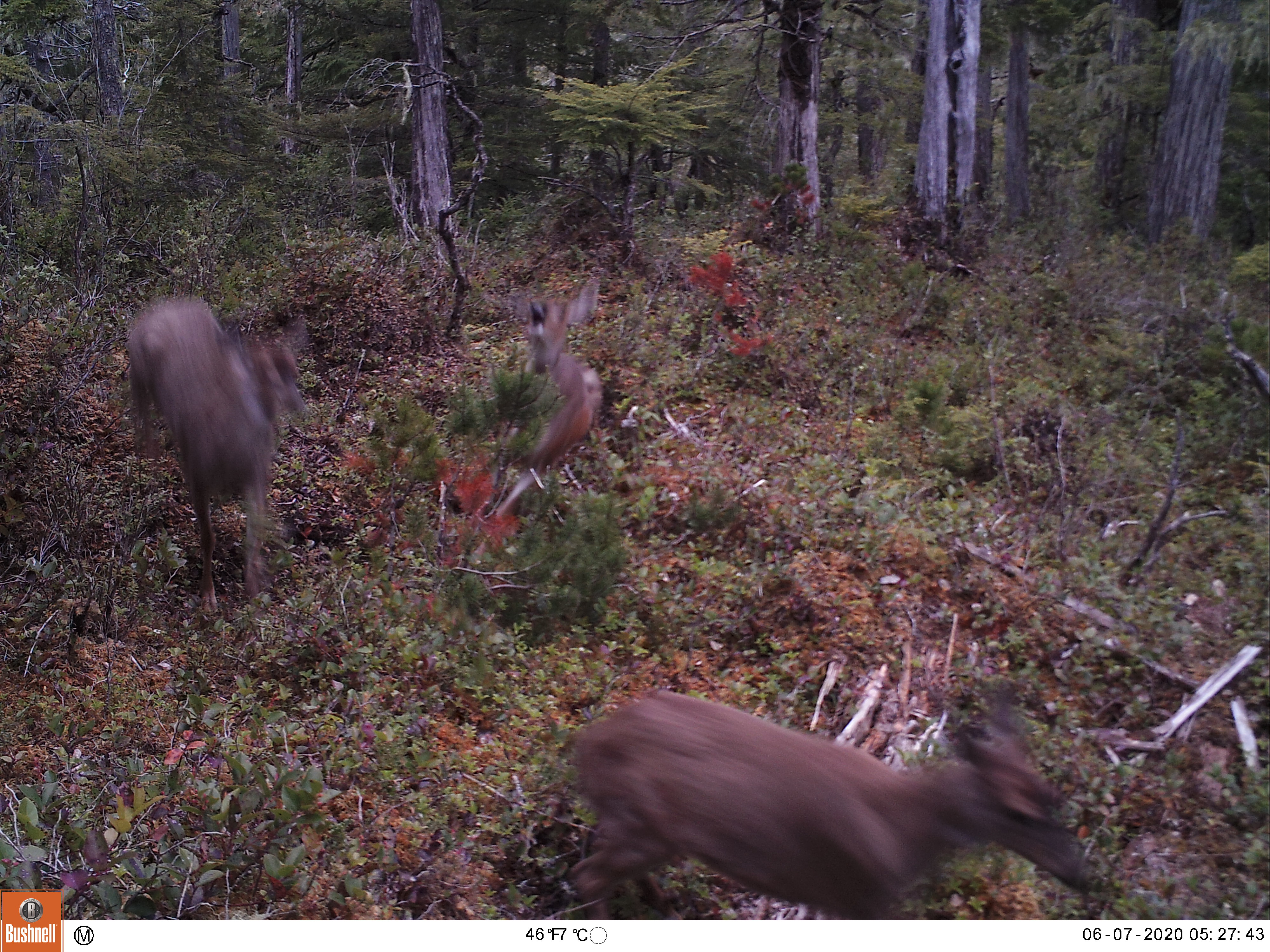
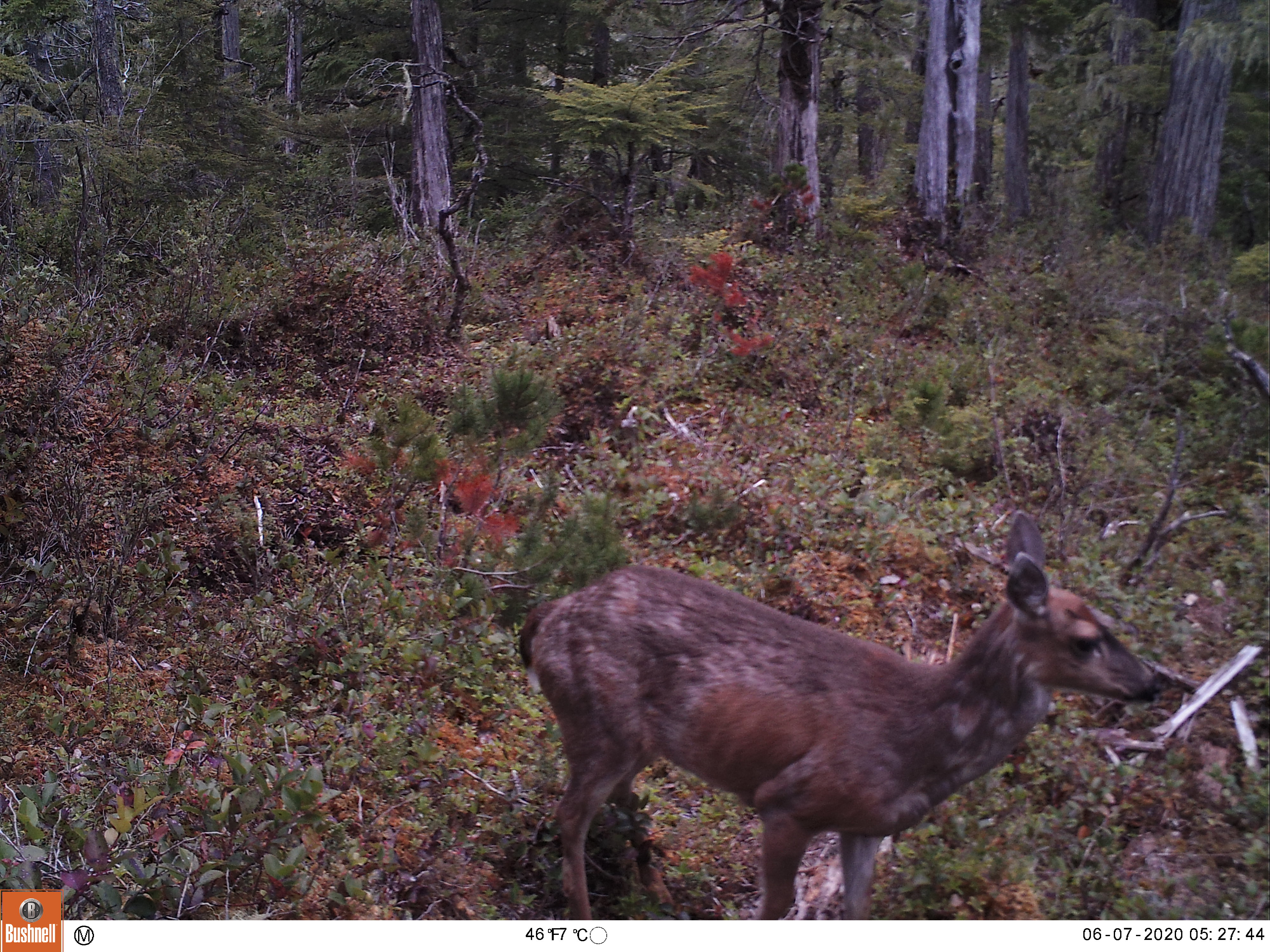
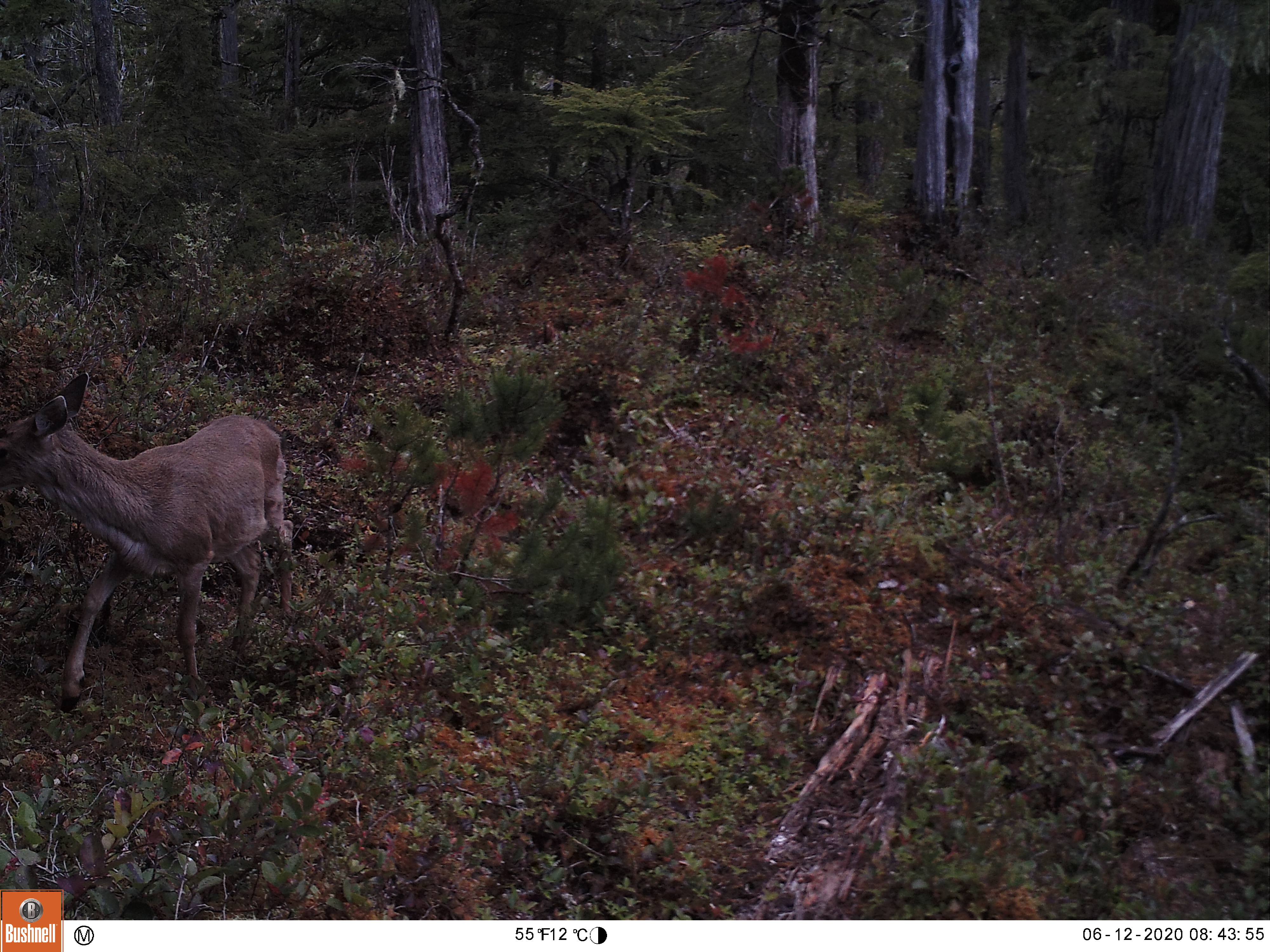


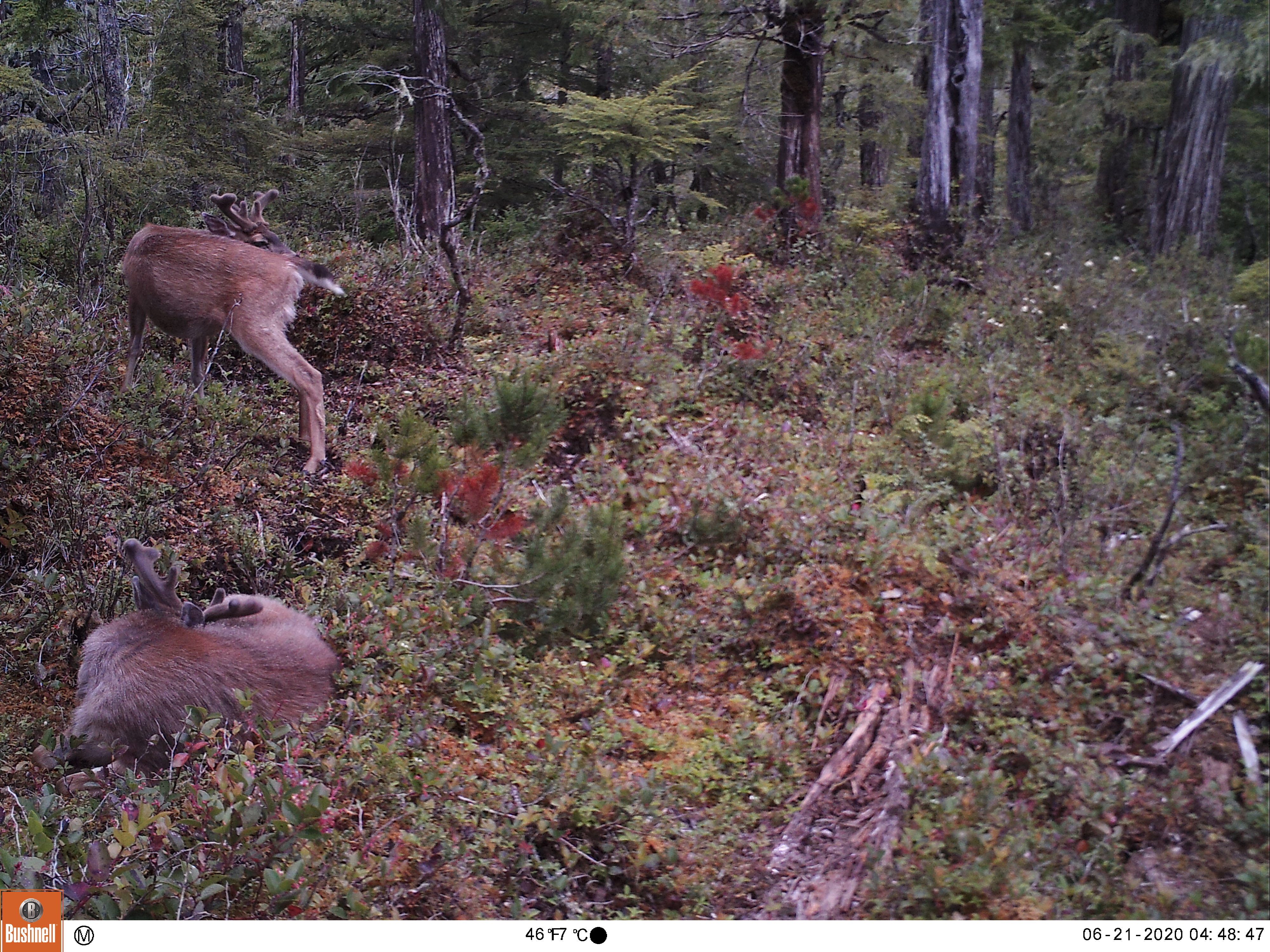


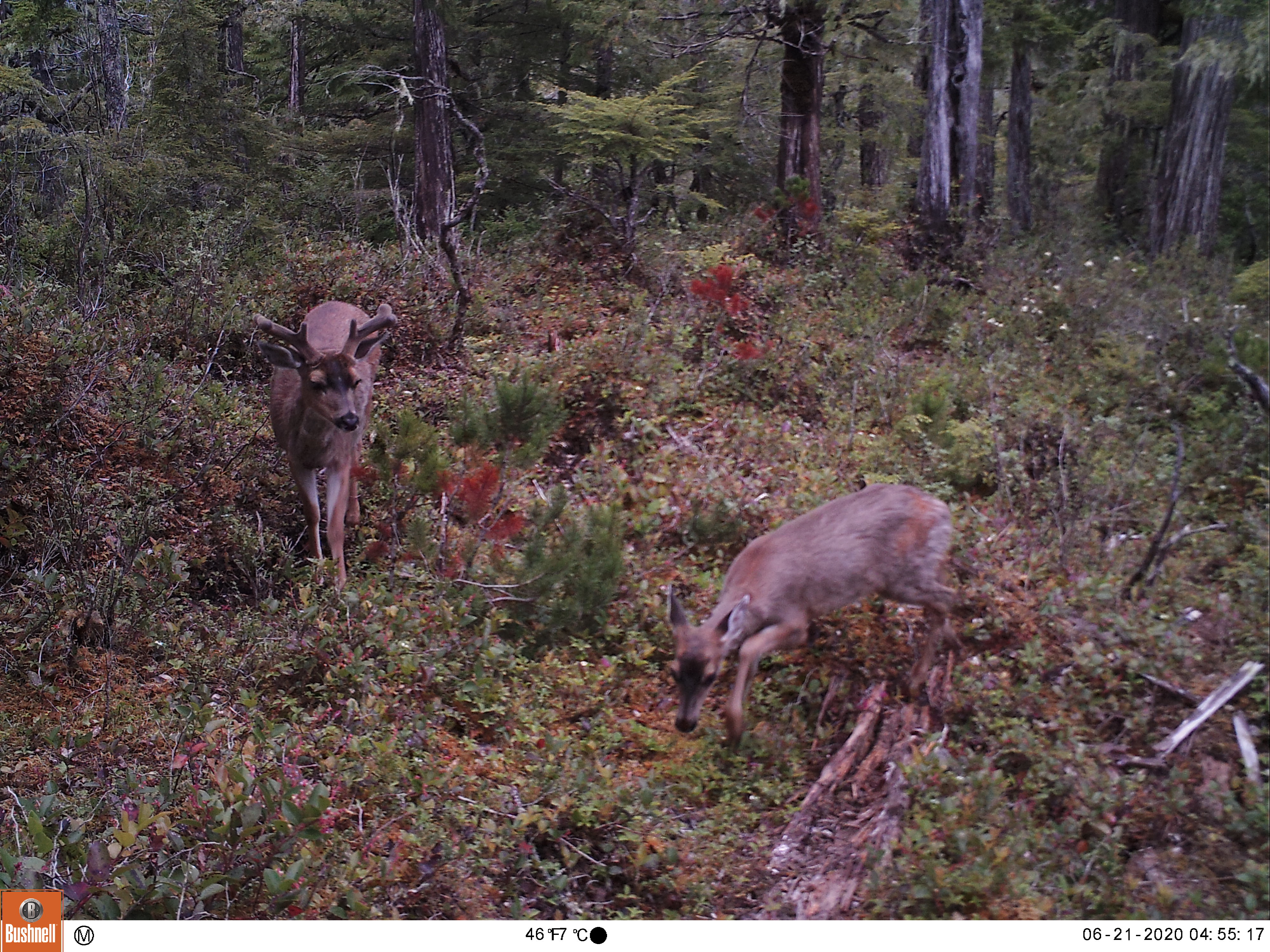


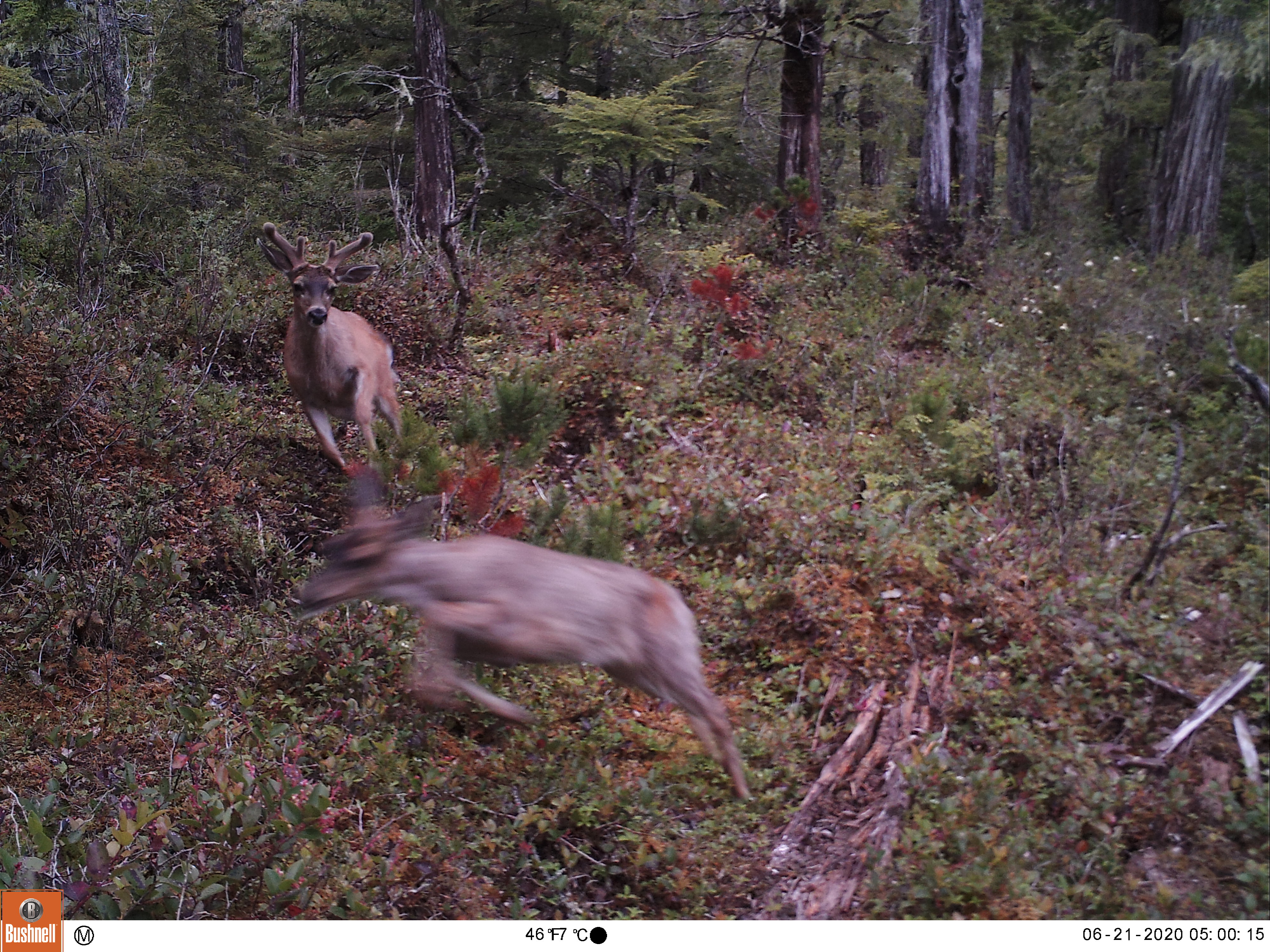


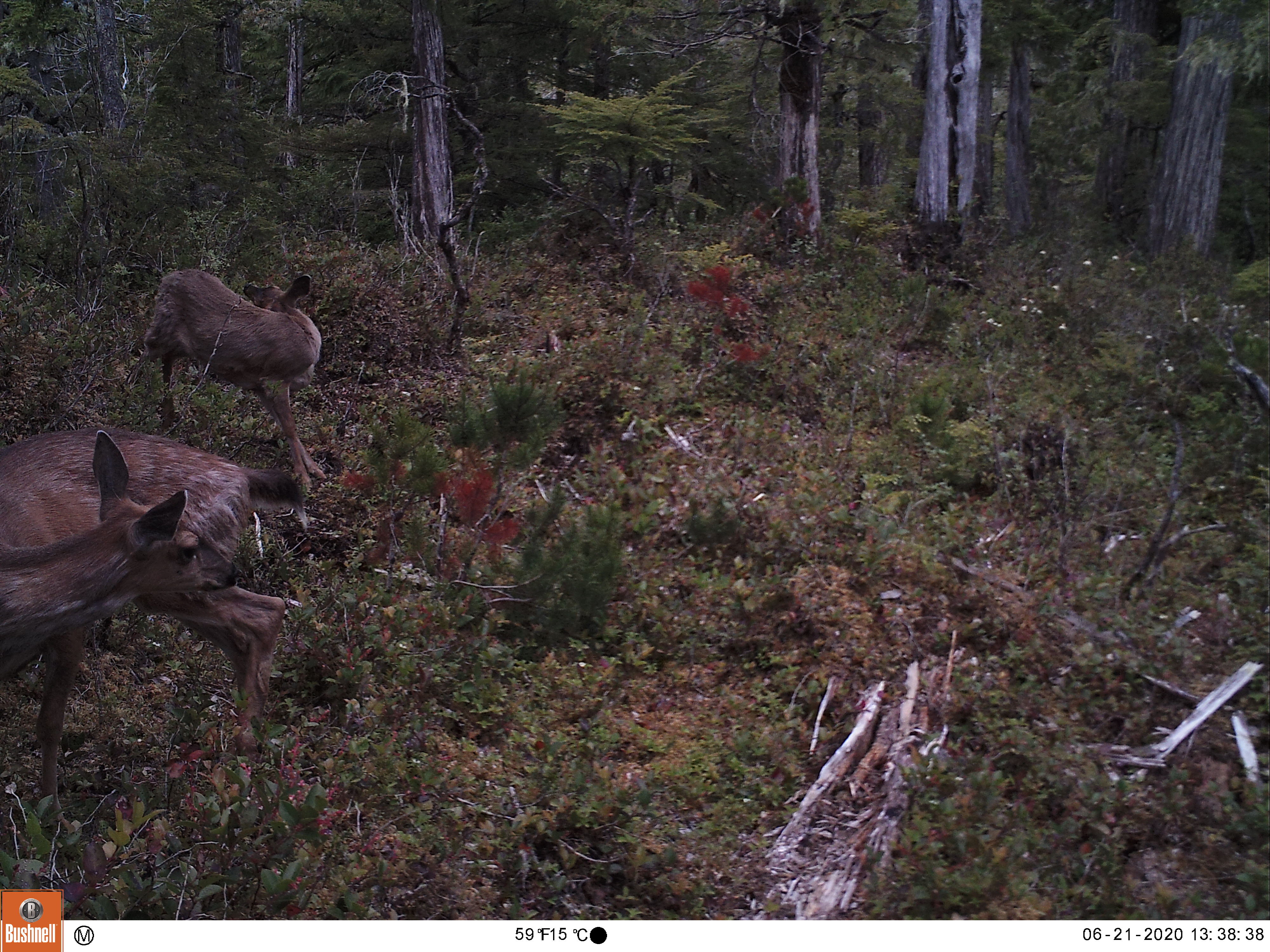
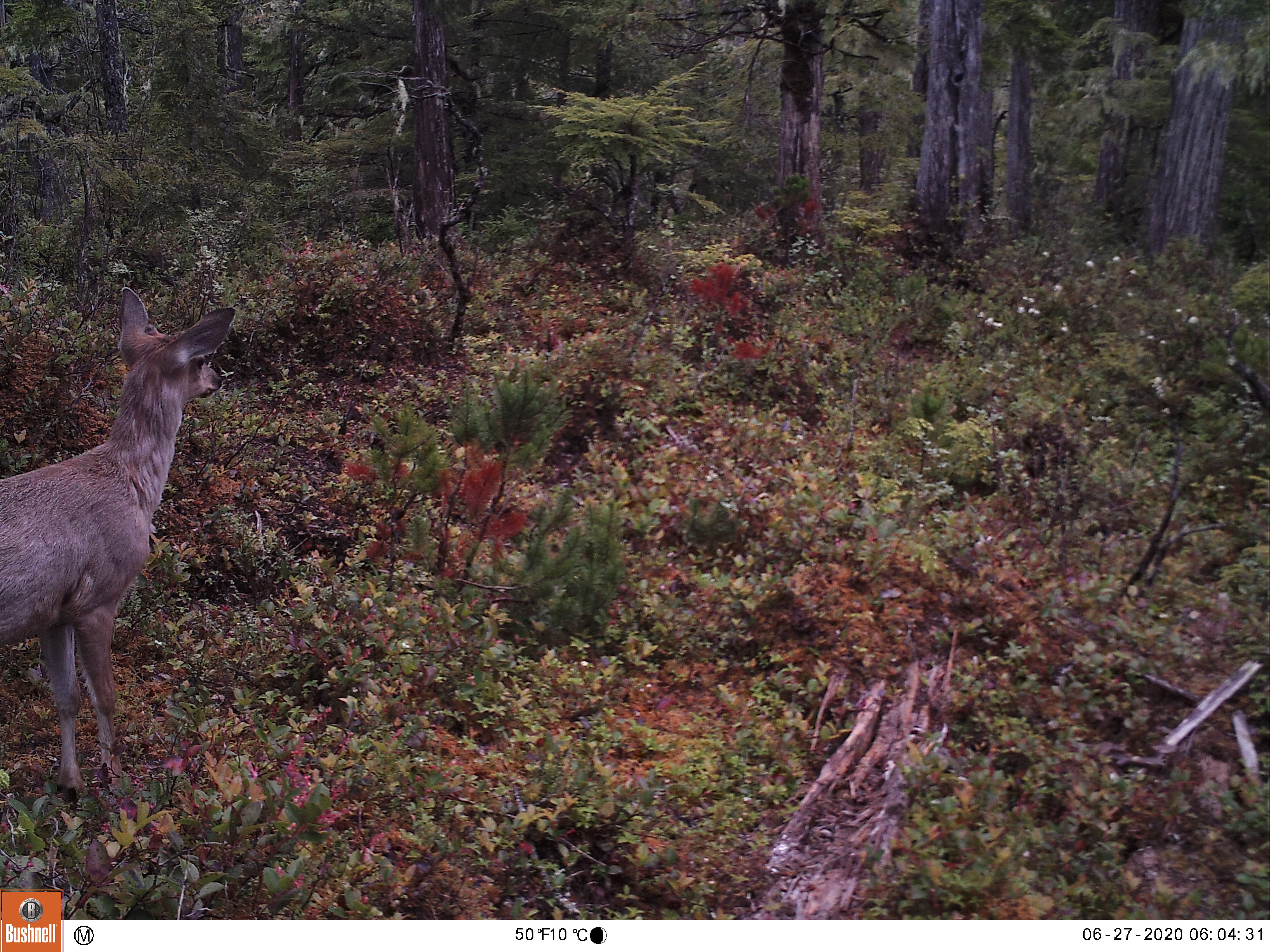
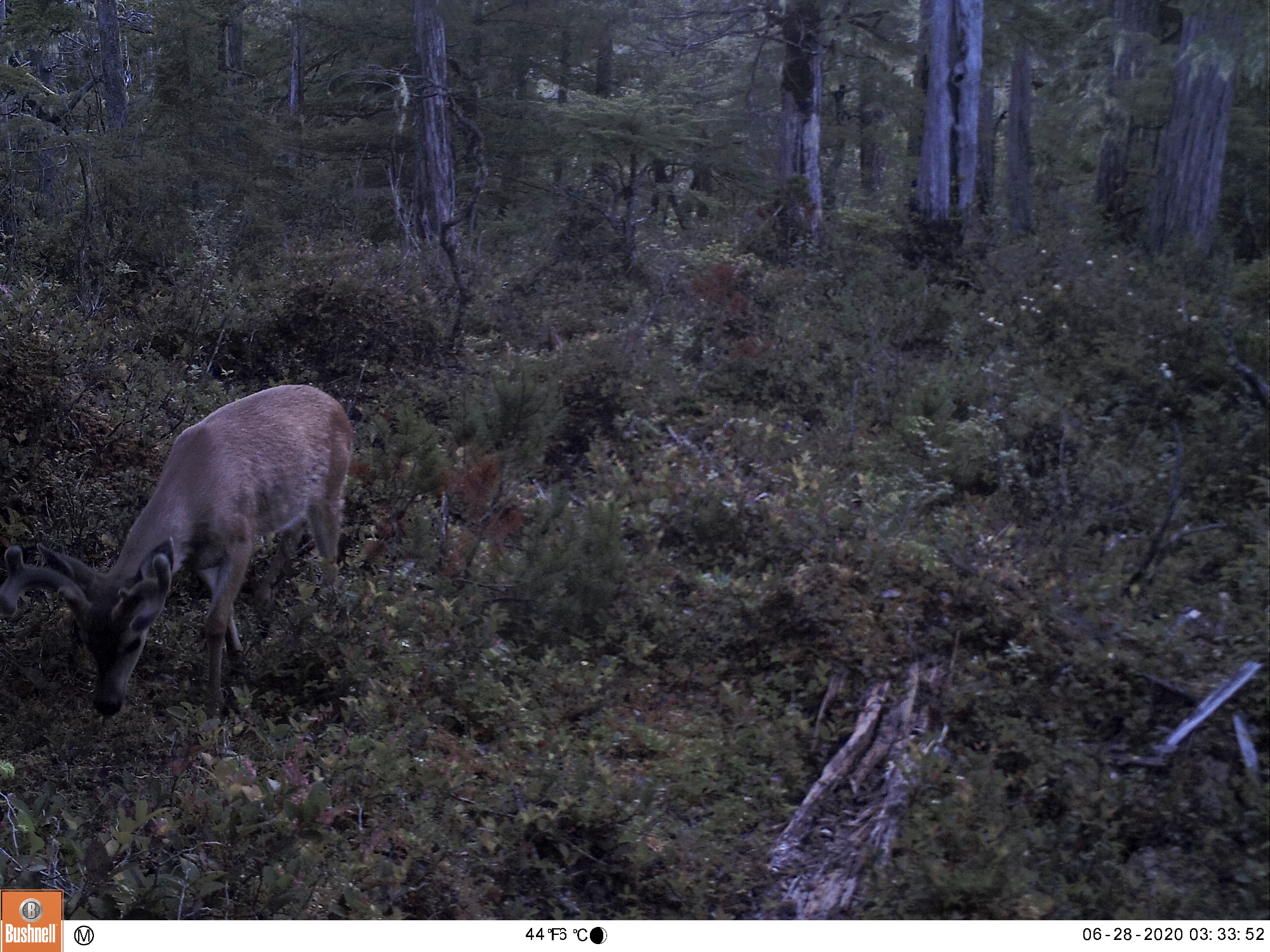
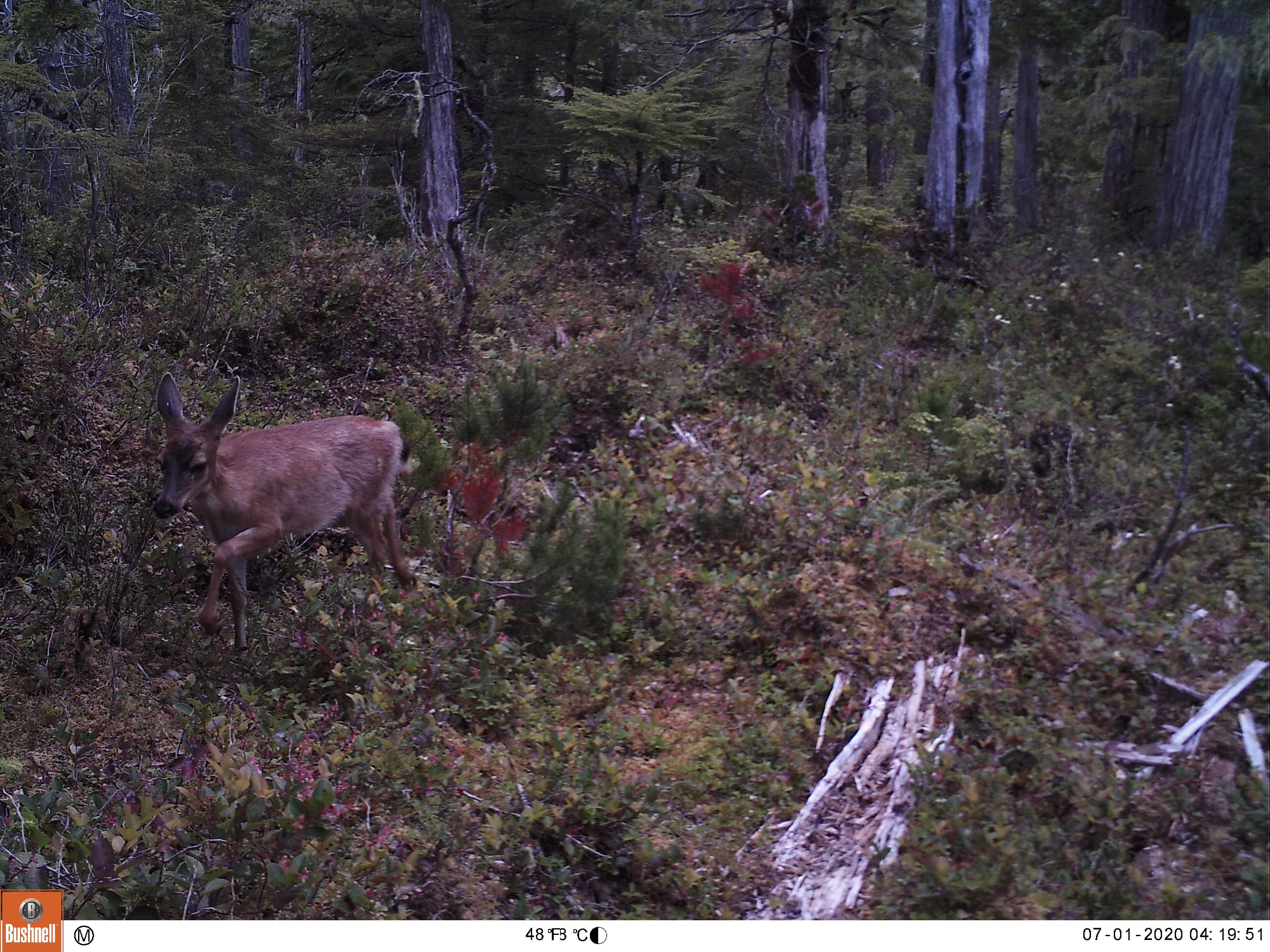
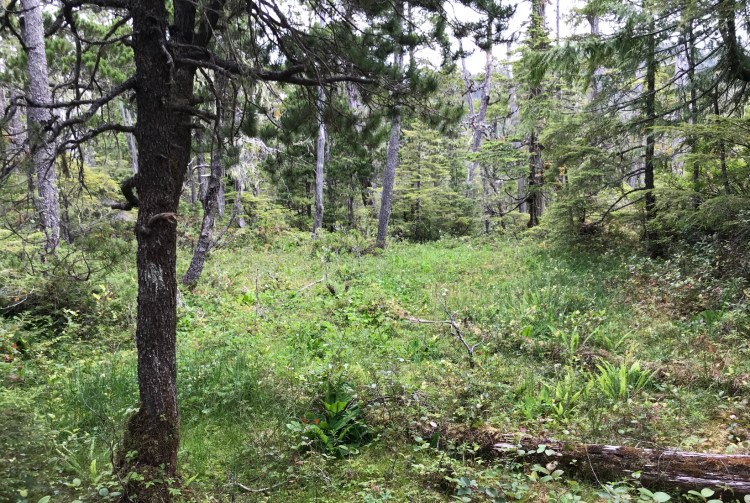
I moved this camera about 100 feet to an area with more food and cover.

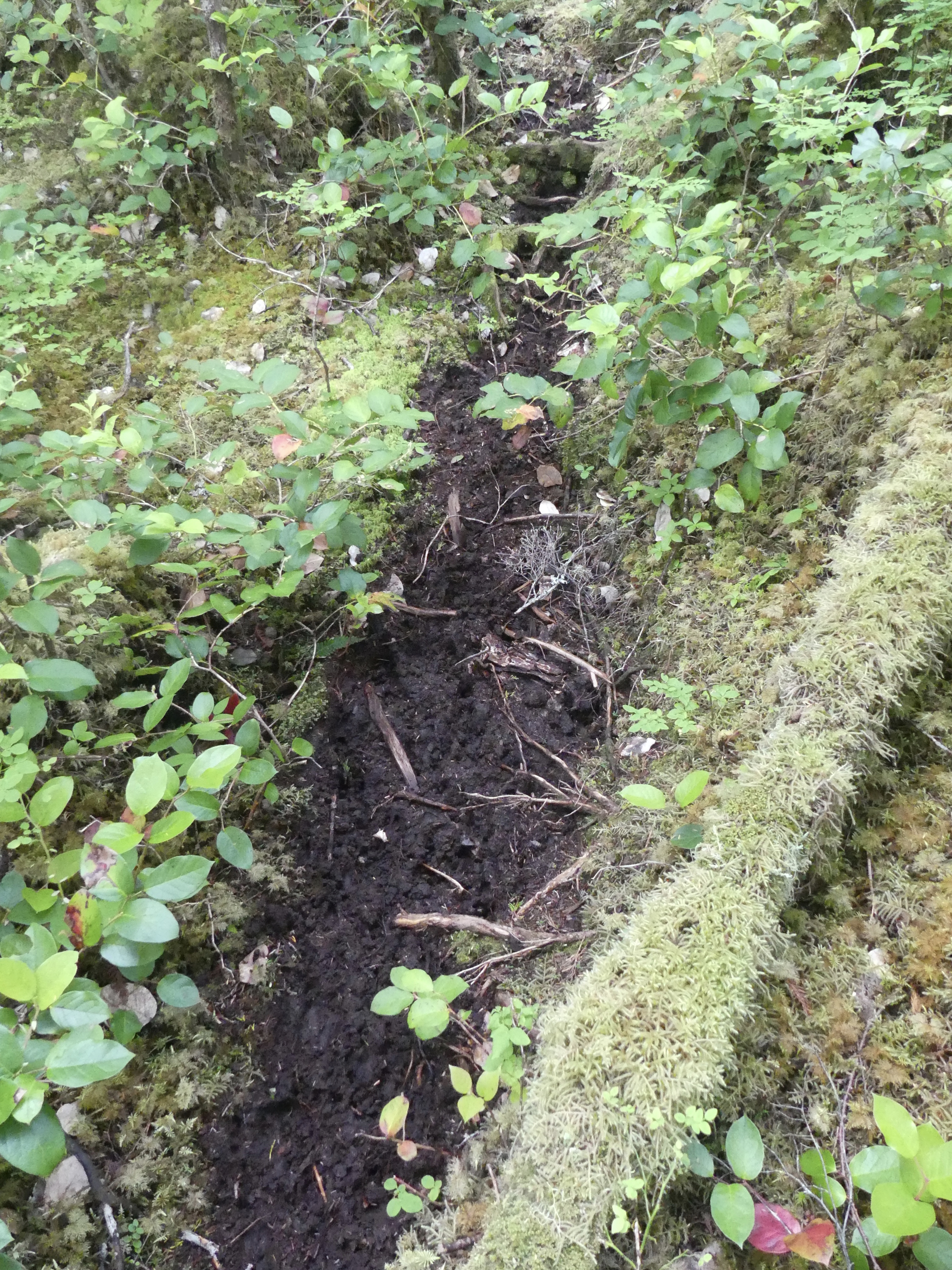
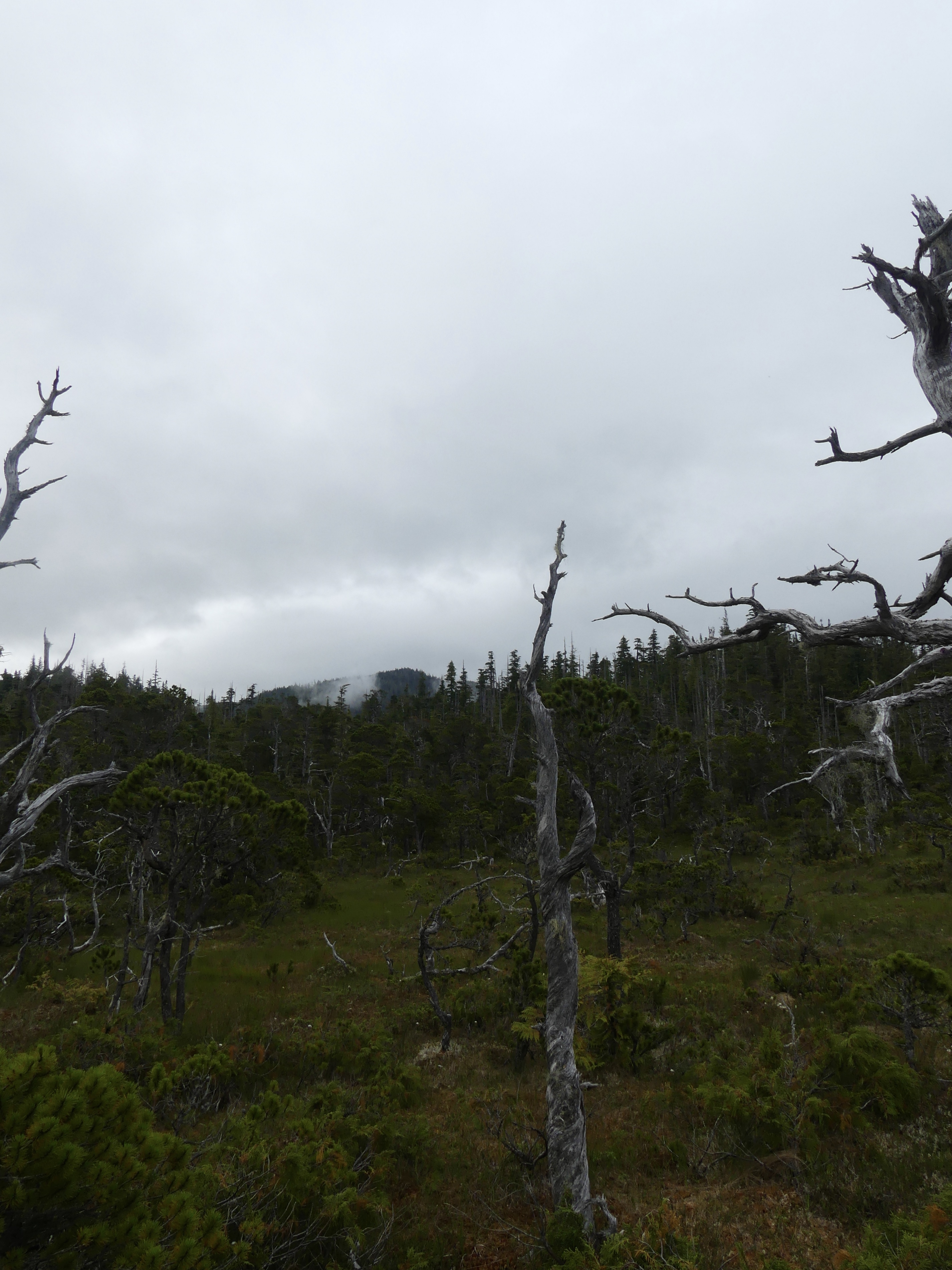


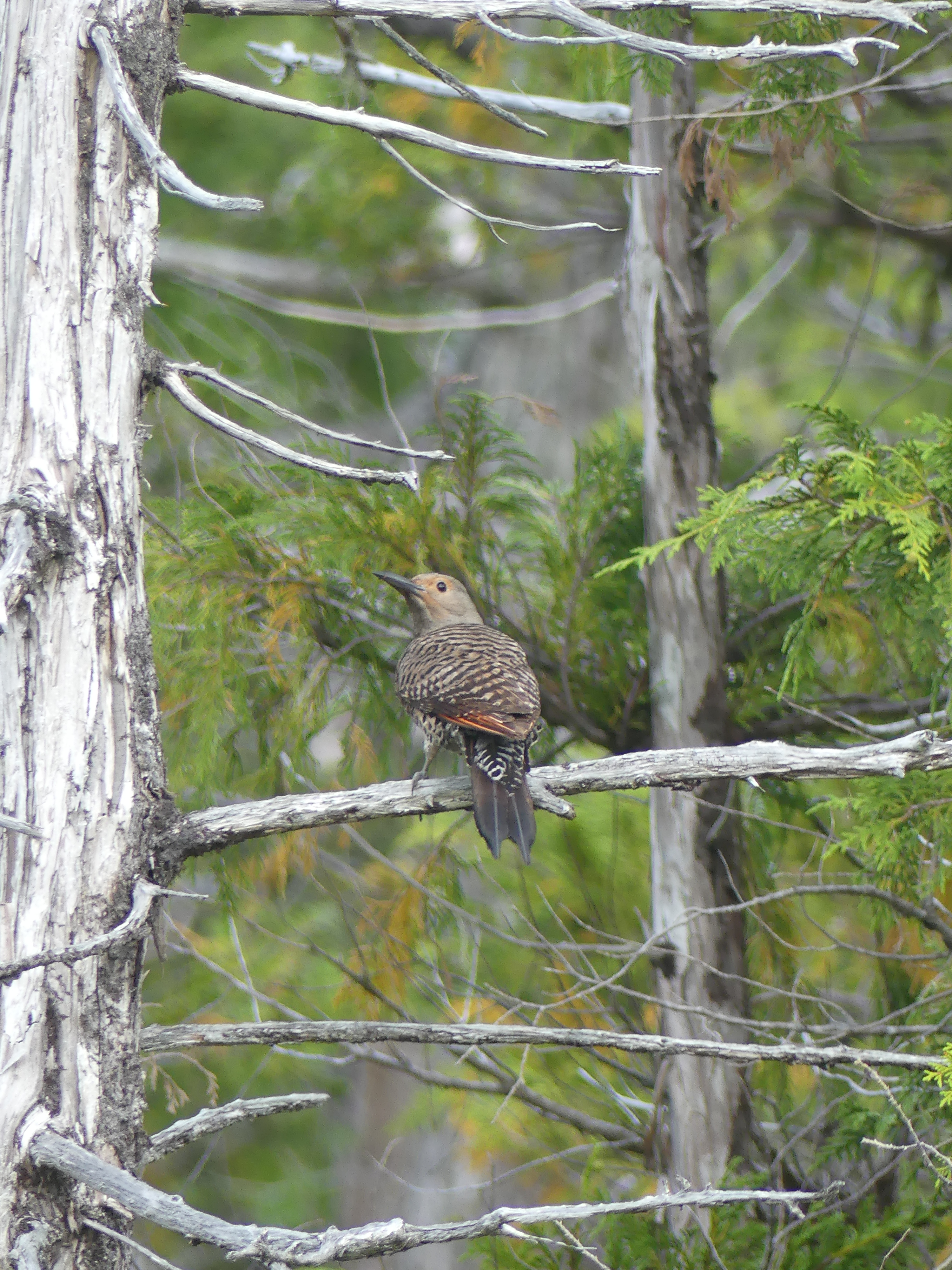

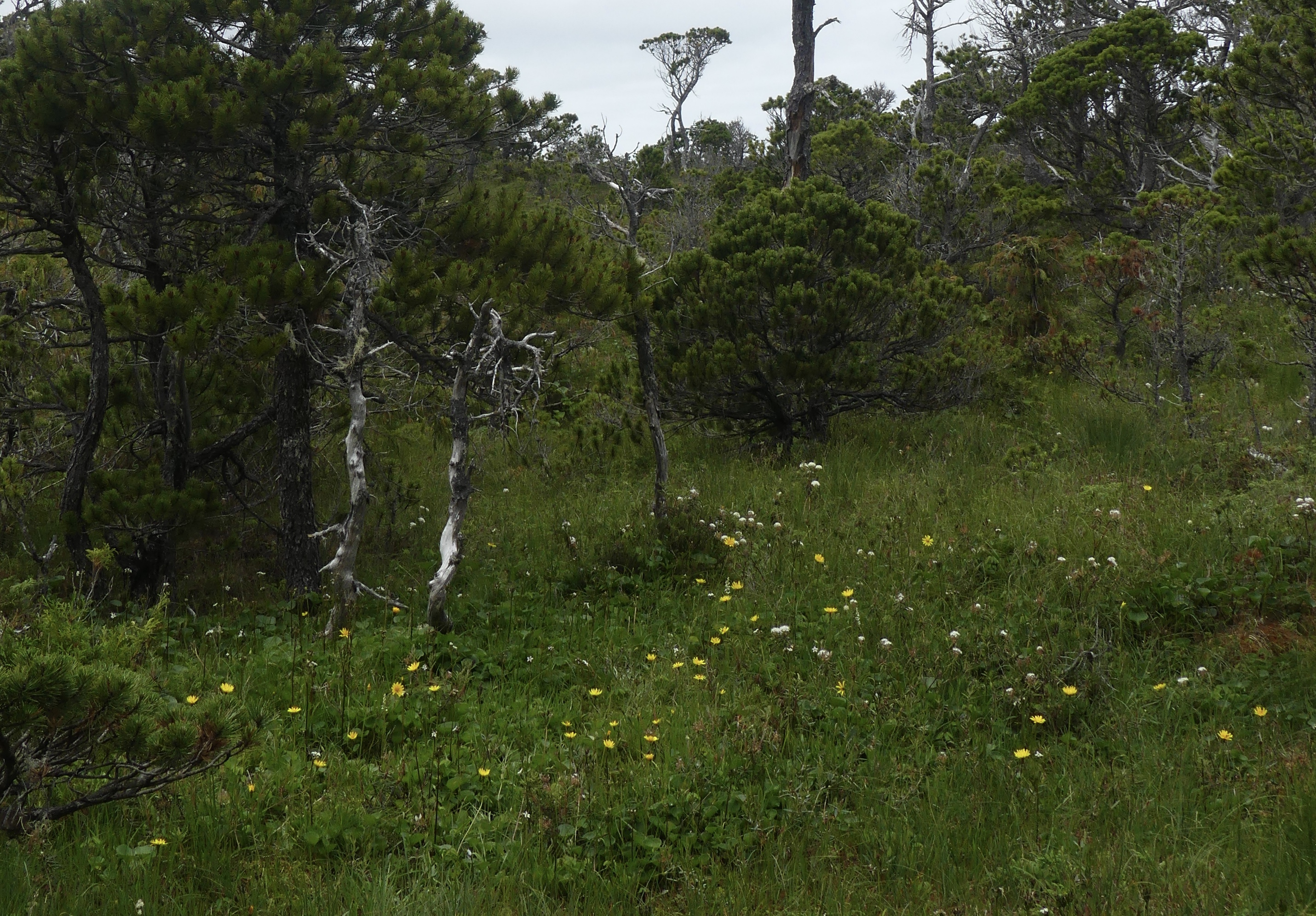


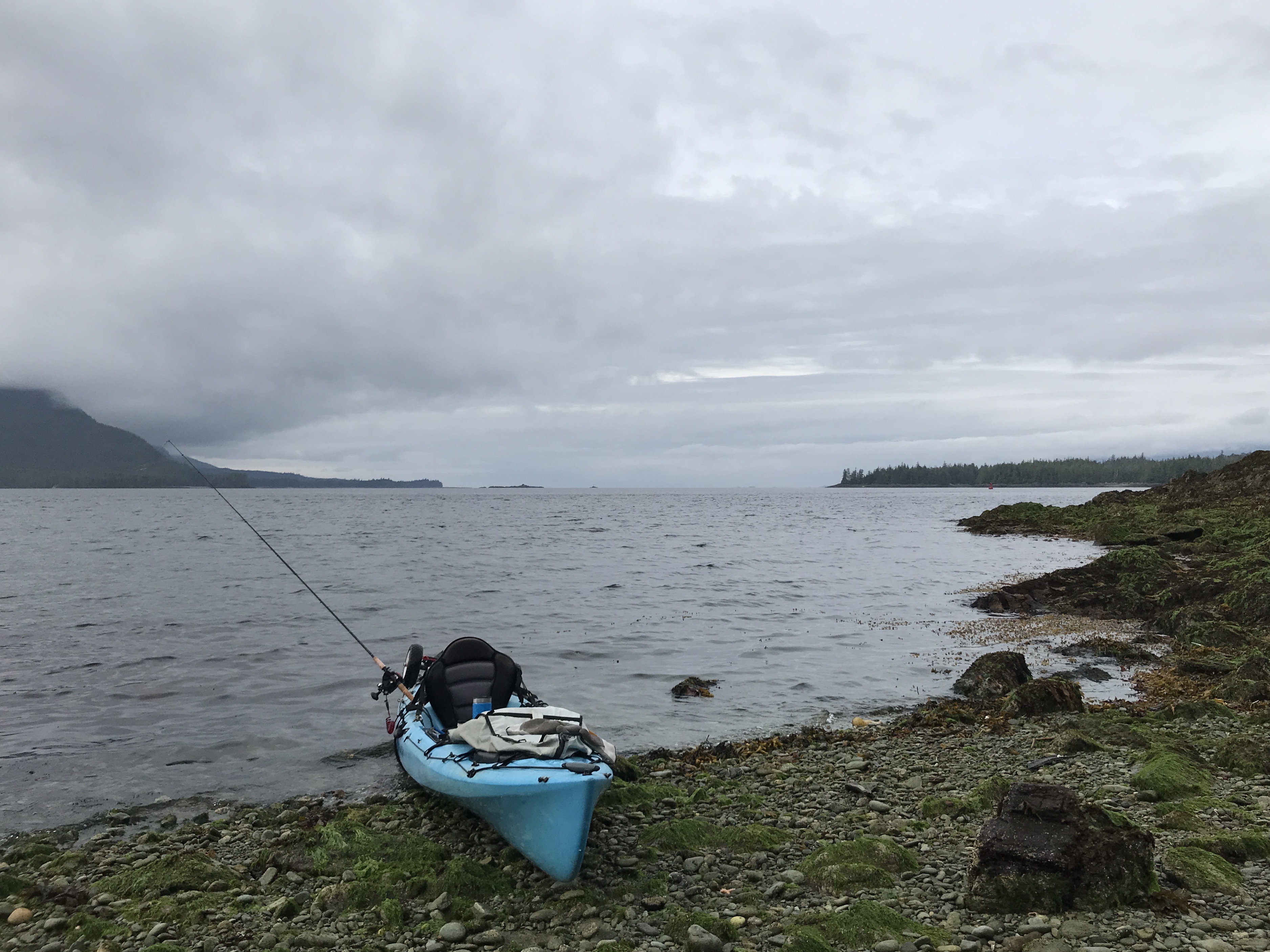
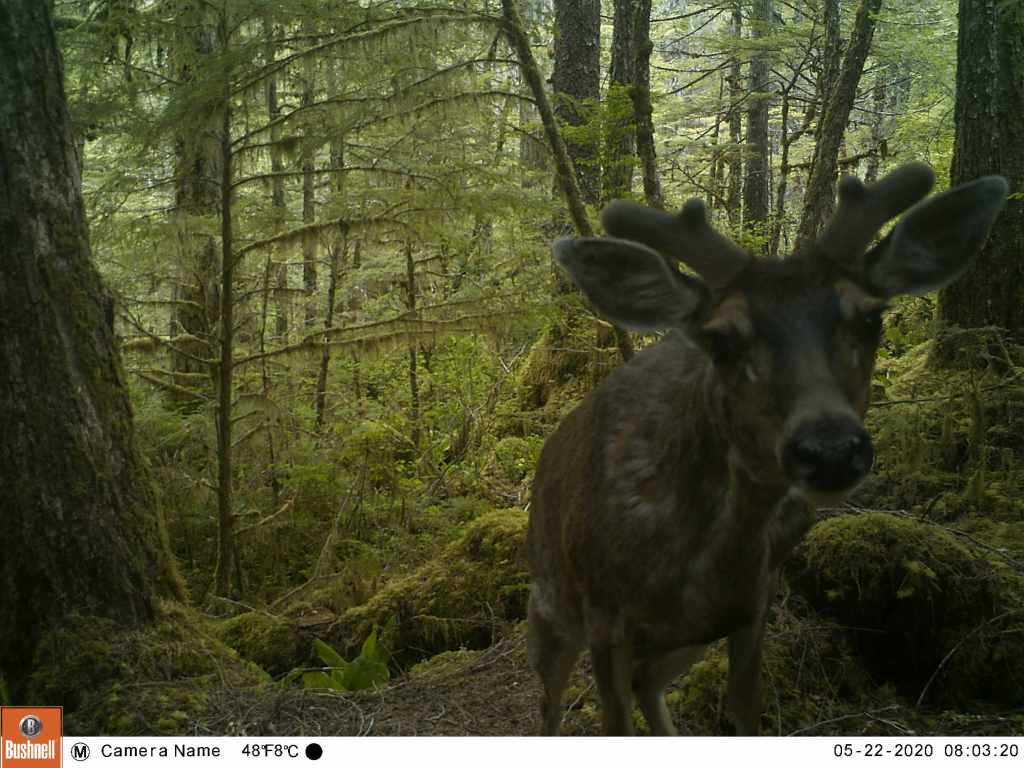
This is the first time I checked the camera I set up in this new spot, which consists of an intersection of two trails at the edge of big dark timber and some more open forest.

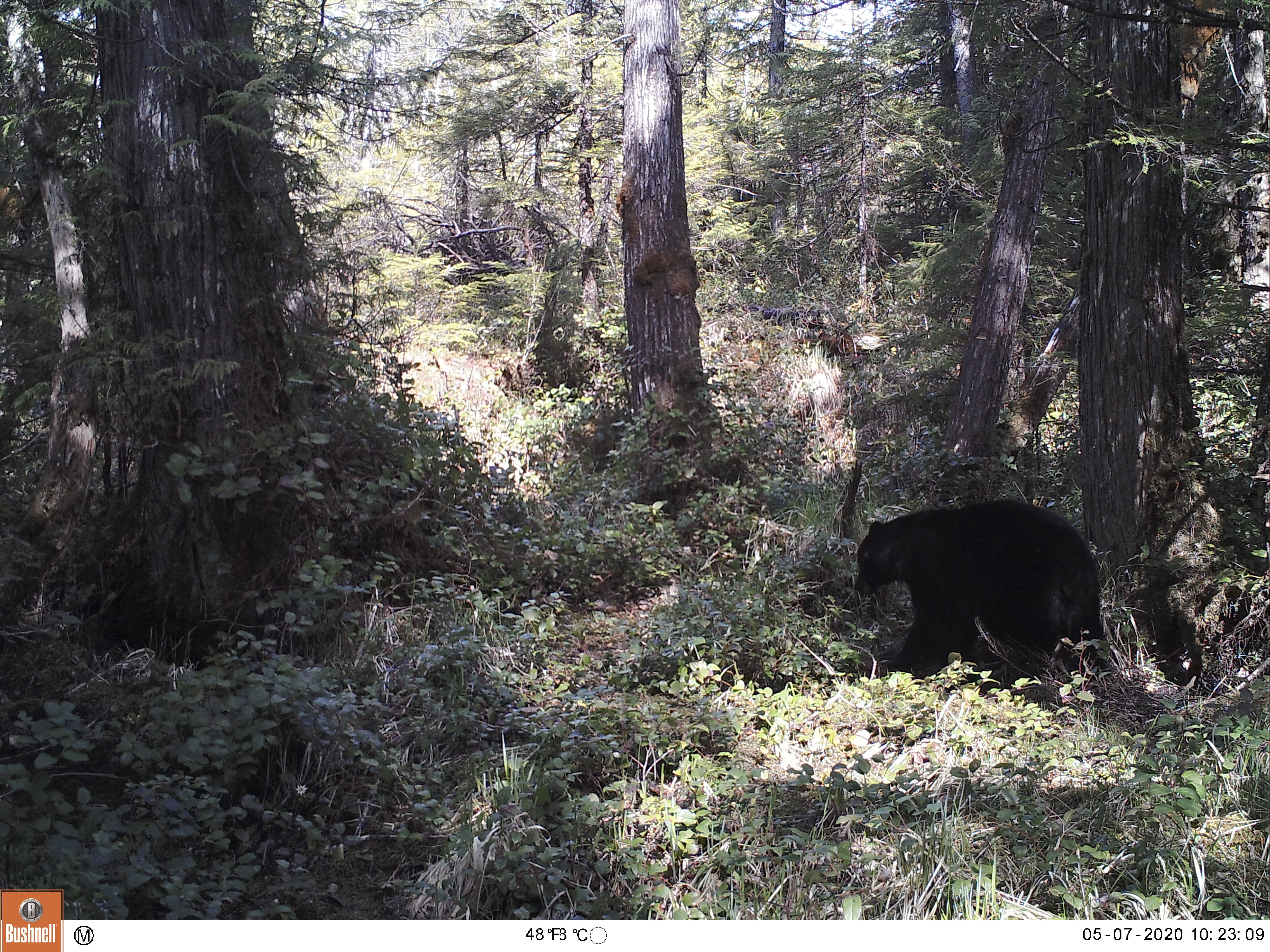
I’ve had a camera here for a few years; it monitors a spot where a couple of minor trails meet a main trail where deer like to feed and bed down.
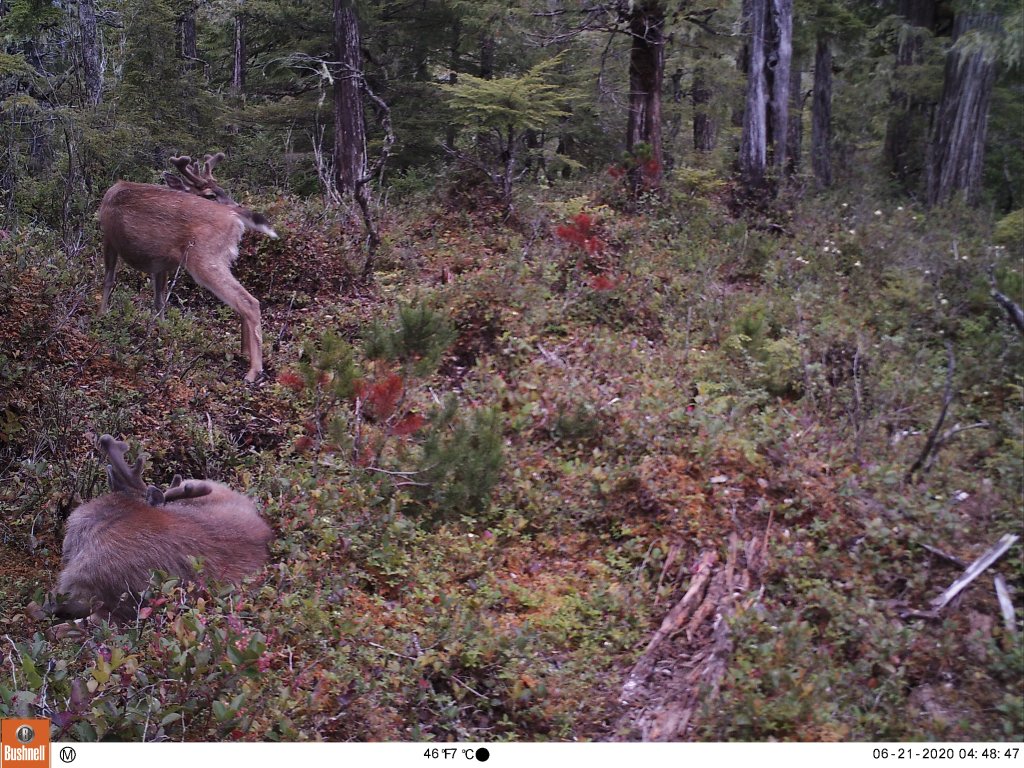
This camera was overlooking a bedding area. I got some interesting pictures here, but it’s a little too open for consistent traffic, so I moved it about 100 feet to an intersection in a small feeding area.

This is the new spot. Several trails cross this opening, and it has a good variety of plants that deer like, so it should do well.
The last camera I checked has been recording 15-second video clips on a main trail. I’ve had this camera here for a couple of years.

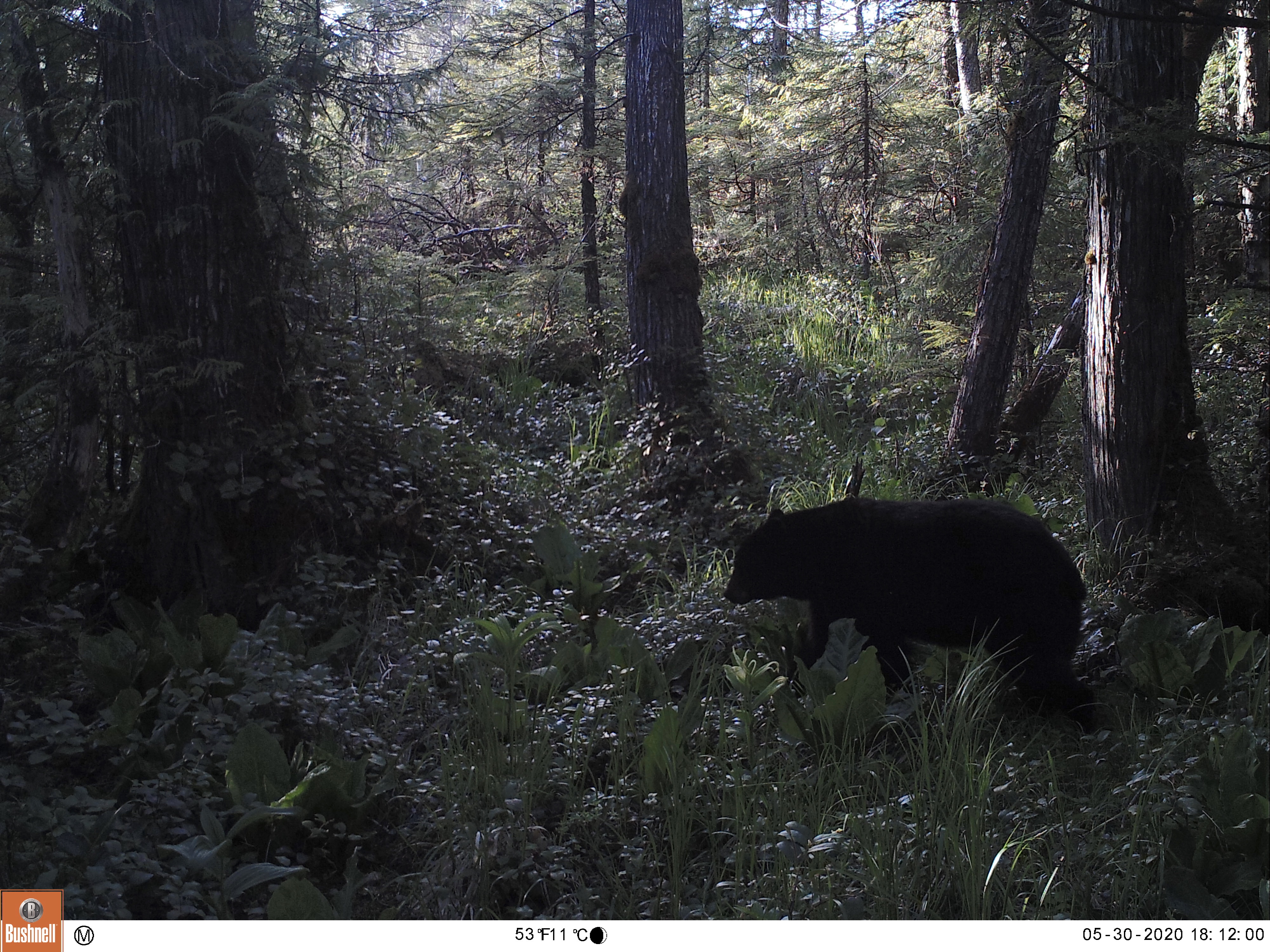
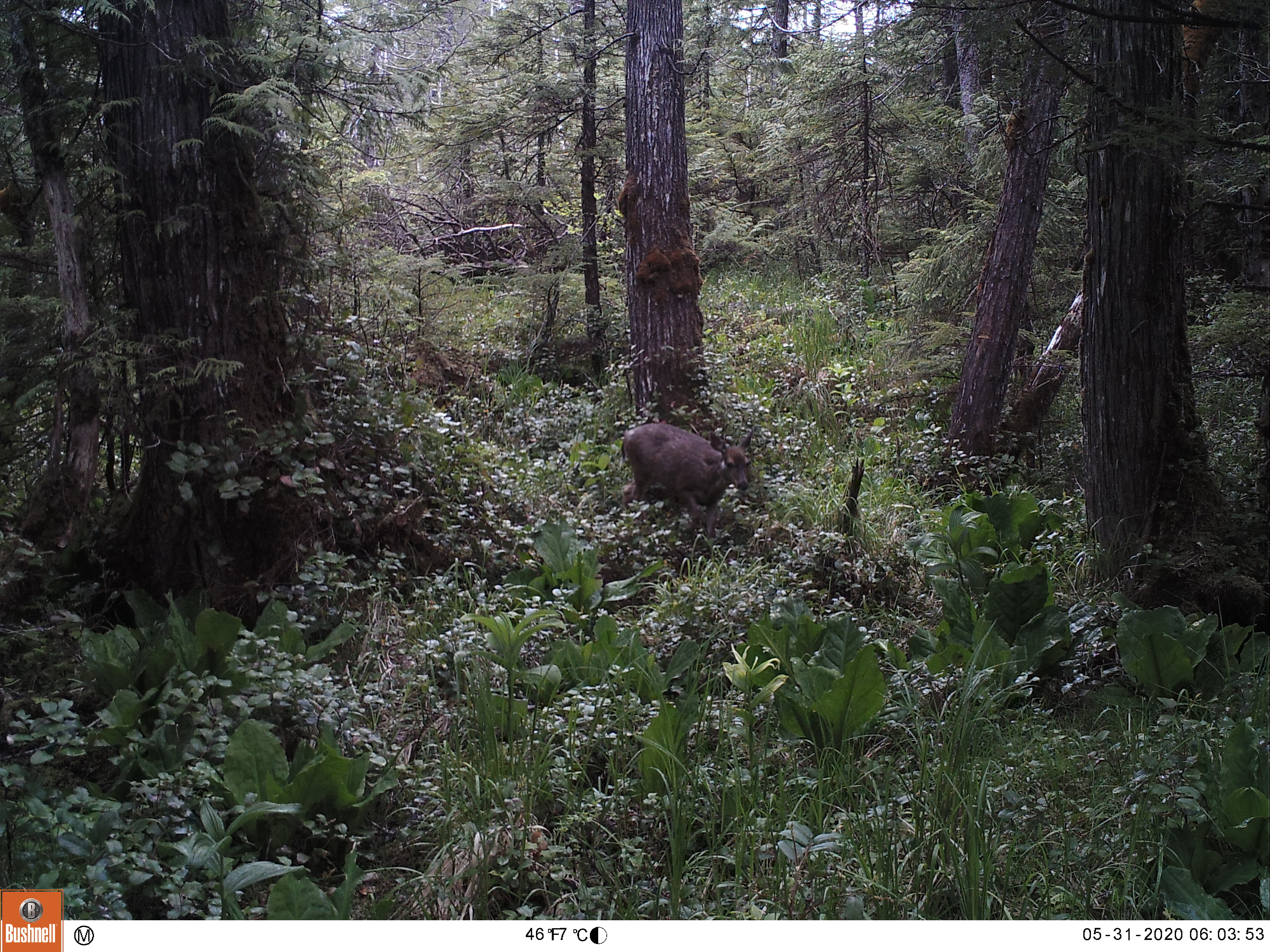
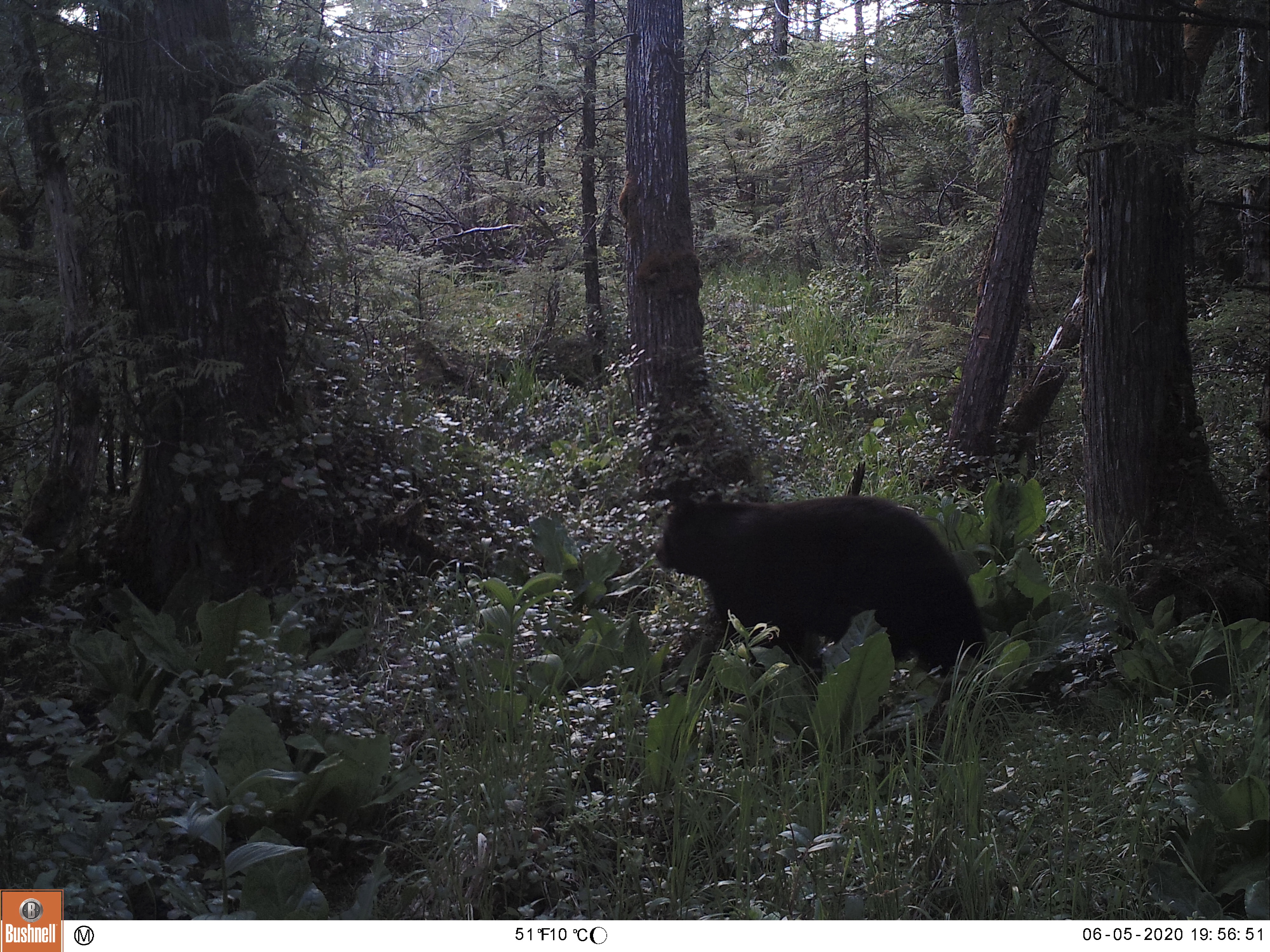
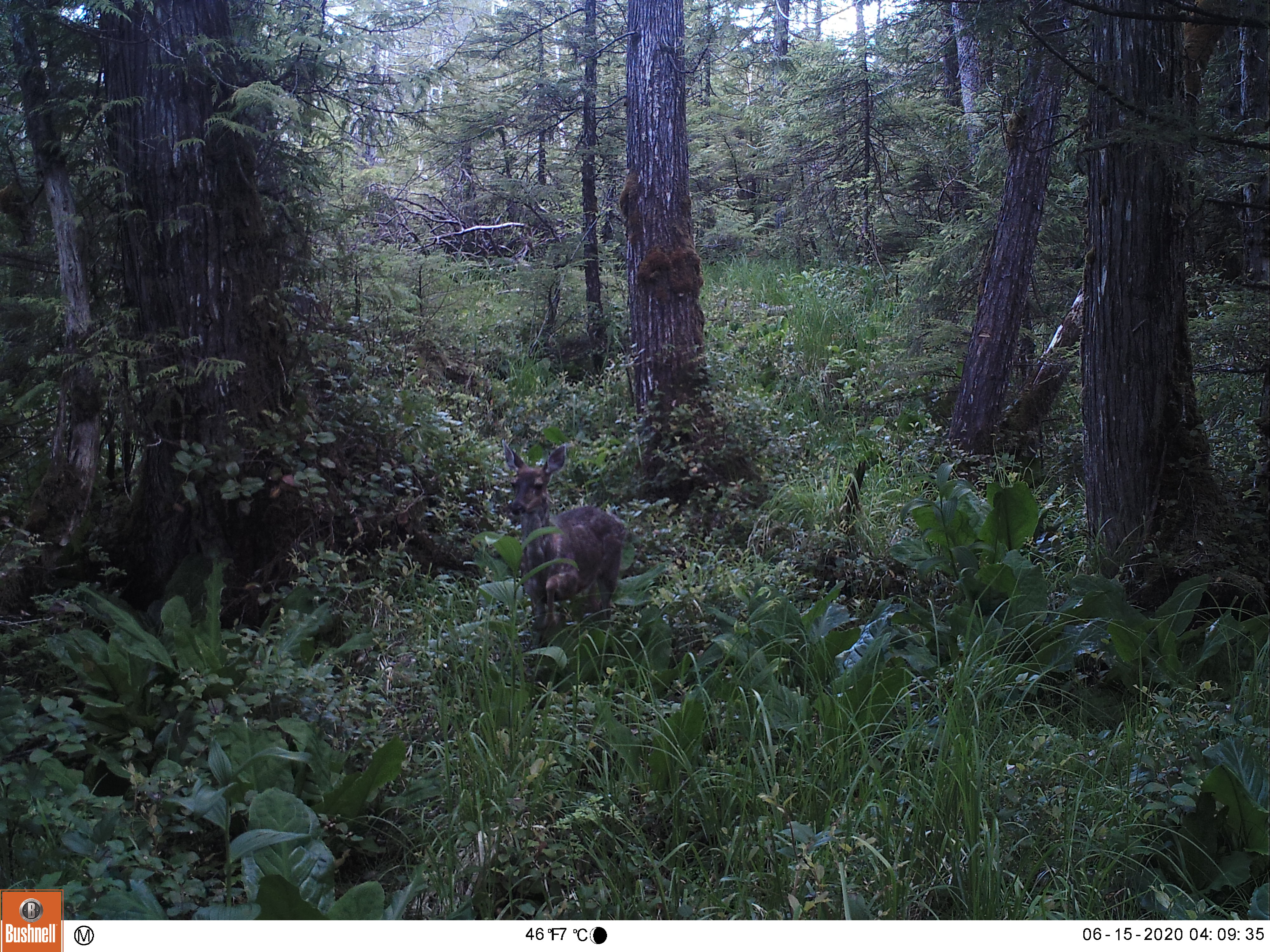
I weeded this album down to 60 from a total of over 1400 images
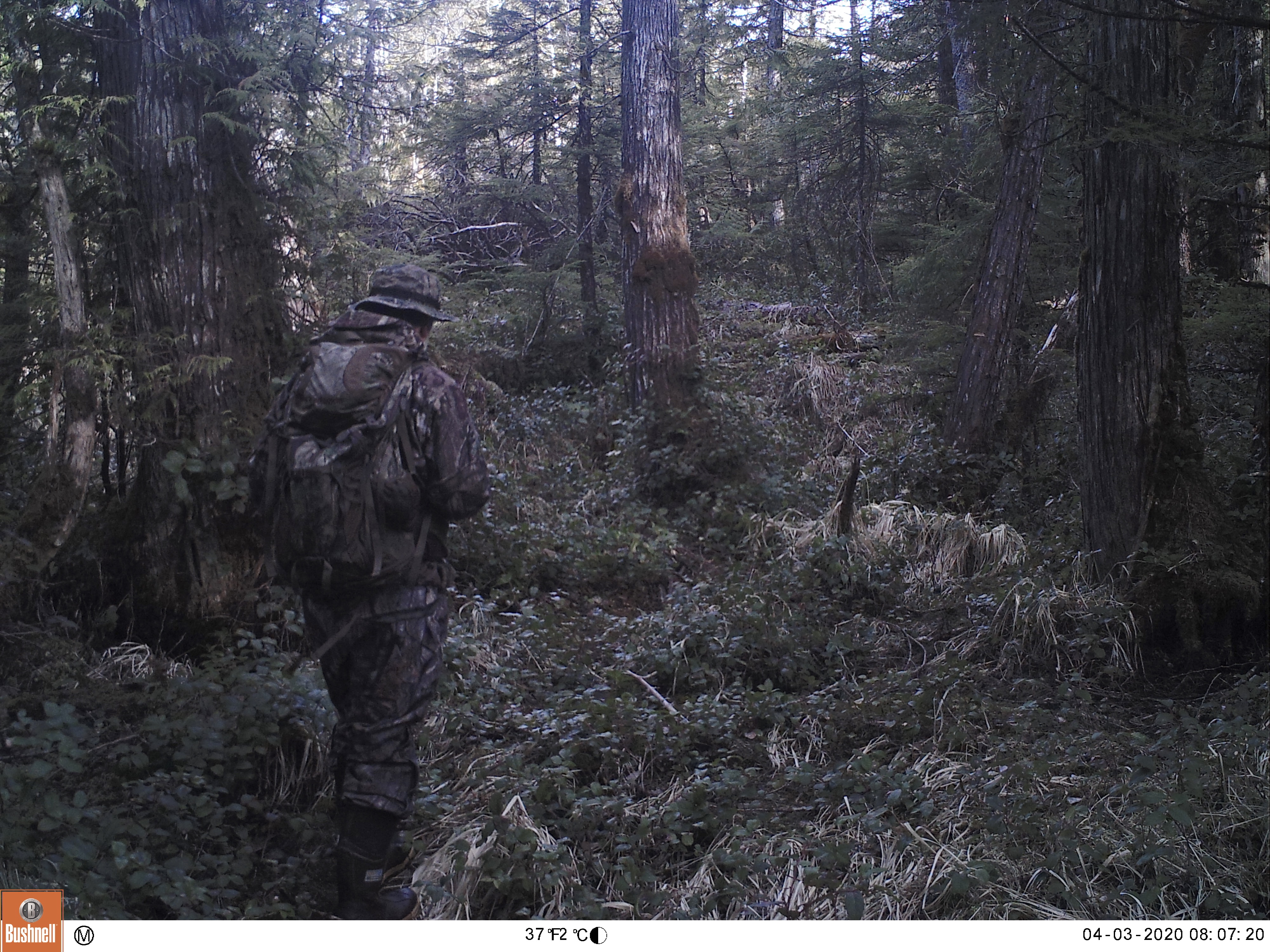

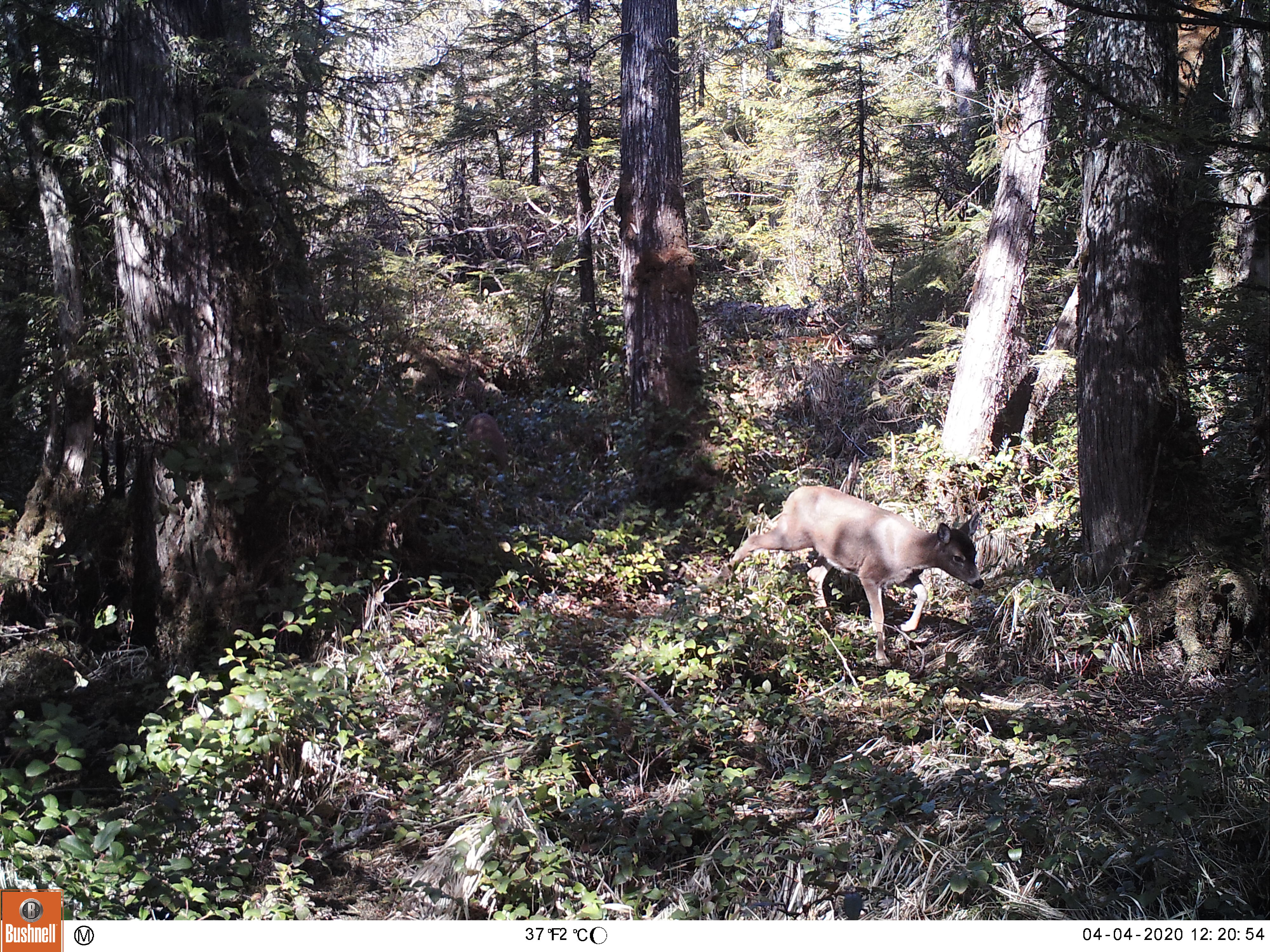
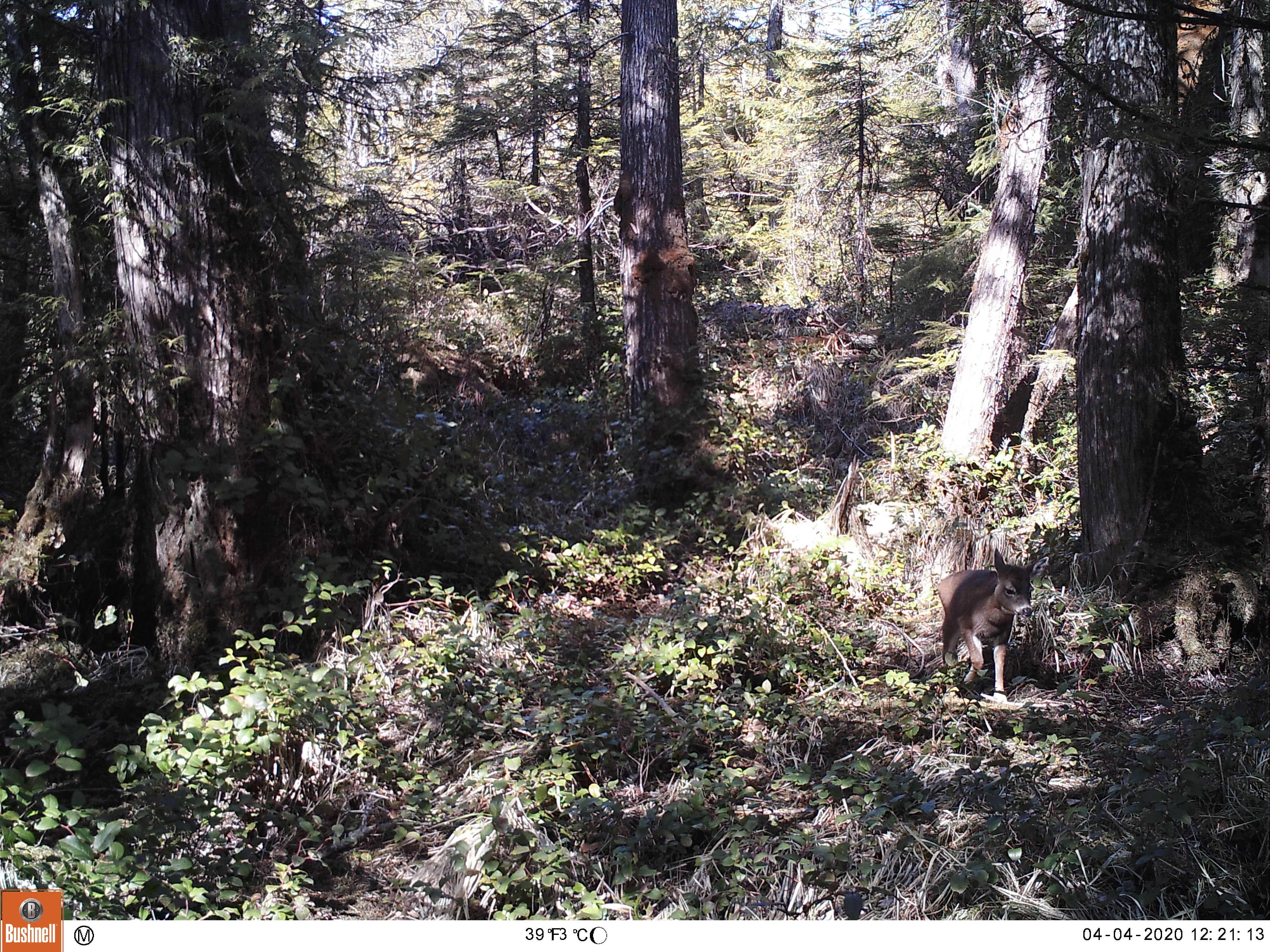















 Joe's Trailcams